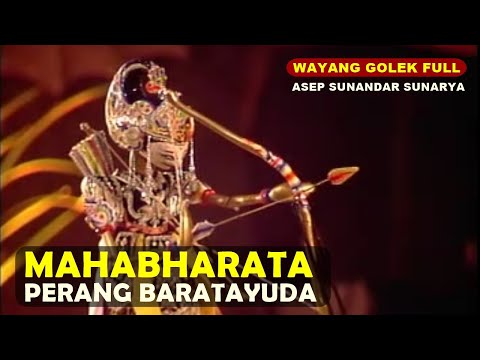
Wayang Golek Mahabharata Perang Baratayuda Full Asep Sunandar
Introduction and Atmosphere
Opening Remarks
- The event begins with applause and music, creating an energetic atmosphere.
- Chairul is seen smiling, indicating a positive vibe among the attendees.
Audience Engagement
- The speaker interacts with the audience, eliciting laughter and applause, showcasing a lively engagement.
- A humorous exchange occurs as the speaker expresses love for Indonesia, further connecting with the audience.
Cultural References
Indonesian Heritage
- The speaker references various cultural elements such as wushu and local traditions, emphasizing Indonesia's rich heritage.
- Mention of local figures like Pak Haji Agus highlights community involvement in cultural events.
Personal Anecdotes
- The speaker shares personal stories that resonate with the audience's experiences, fostering relatability.
Philosophical Insights
Life Lessons
- Discussion on human nature and moral obligations reflects deeper philosophical themes present in Indonesian culture.
Symbolism in Culture
- References to wayang (puppet shows), illustrating how traditional art forms convey life lessons and societal values.
Historical Context
War Narratives
- The speaker recounts historical battles between Pandawa and Kurawa from Javanese mythology, drawing parallels to modern struggles.
Moral Dilemmas
- Exploration of ethical questions surrounding leadership during conflicts emphasizes timeless issues faced by societies.
Contemporary Issues
Modern Challenges
- Discussion shifts to current societal challenges in Indonesia, urging collective responsibility among citizens.
Call to Action
- Encouragement for active participation in community development resonates strongly with attendees.
Conclusion
Final Thoughts
- The event concludes with a call for unity and perseverance among Indonesians to face future challenges together.
The Spirit of Struggle and Independence
Reflections on the Fight for Freedom
- The speaker emphasizes the dedication of fighters who sacrificed everything for independence, highlighting their unwavering spirit against colonial oppression.
- Acknowledgment of political prisoners and the ongoing struggle against colonial forces, illustrating a sense of resilience among those fighting for freedom.
- Discussion about generational differences in understanding sacrifice, with older generations reflecting on past struggles while younger ones may not fully grasp their significance.
- Mention of cultural elements like music that symbolize resistance and unity among fighters, reinforcing the importance of heritage in contemporary struggles.
- Commentary on societal changes post-independence, questioning whether current leaders embody the values fought for by previous generations.
Cultural Identity and Innovation
Embracing Creativity in Tradition
- The speaker discusses the need to innovate within traditional frameworks to keep cultural practices relevant and engaging for future generations.
- Importance of education in adapting cultural knowledge to modern contexts, emphasizing learning as a tool for empowerment.
- Reflection on how creativity can drive progress while maintaining respect for historical roots, suggesting a balance between tradition and innovation is essential.
- Encouragement to foster creativity daily as a means to enrich lives and communities, advocating for continuous improvement through artistic expression.
- Recognition that embracing change does not mean abandoning tradition; rather it enhances cultural identity through evolution.
Challenges Facing Modern Society
Navigating Contemporary Issues
- Discussion about societal challenges such as economic disparity and political corruption affecting community cohesion and trust in leadership.
- Highlighting the role of youth activism in addressing these issues, showcasing how younger generations are stepping up to demand accountability from leaders.
- Examination of mental health awareness as an emerging concern within communities, stressing the importance of support systems amidst rising pressures.
- Call for collective action towards social justice initiatives that resonate with historical struggles while addressing present-day realities faced by marginalized groups.
- Urging individuals to engage actively in civic duties as a way to honor past sacrifices made during independence movements.
The Role of Art in Social Change
Art as a Catalyst
- Exploration of how art serves as both a reflection and critique of society, providing insights into communal experiences through various mediums.
- Emphasis on storytelling traditions that preserve history while inspiring future narratives aimed at fostering unity among diverse populations.
- Discussion about collaborations between artists across disciplines enhancing creative expressions that challenge societal norms effectively.
- Recognition that art can mobilize communities around shared causes, acting as a powerful tool for advocacy and awareness campaigns.
- Encouragement for artists to remain authentic while pushing boundaries creatively; authenticity resonates deeply with audiences seeking genuine connections.
This structured summary captures key themes from the transcript while adhering strictly to your formatting guidelines.
Overview of the Battle and Characters
Introduction to Characters and Setting
- The scene opens with a lively atmosphere, introducing characters like Arjuna and Ridwan amidst playful banter.
- There is mention of various factions, including the Pandawa and their adversaries, setting the stage for conflict.
- The narrative hints at supernatural elements as characters display extraordinary abilities, particularly Arjuna's prowess with arrows.
Conflict Development
- Tensions rise as characters express concerns about impending battles; Arjuna prepares to unleash his arrows against foes.
- A sense of urgency is conveyed through dialogue about strategic maneuvers in battle, emphasizing the stakes involved.
Key Themes in the Narrative
Heroism and Valor
- Discussions revolve around heroism, highlighting Arjuna's bravery as he faces formidable opponents like Aswatama.
- The theme of sacrifice emerges as characters contemplate their roles in the ongoing conflict, showcasing moral dilemmas faced by warriors.
Supernatural Elements
- References to divine interventions are made, suggesting that higher powers influence the outcomes of battles.
- The presence of mythical creatures such as elephants symbolizes strength and power within the narrative context.
Character Dynamics
Relationships Among Warriors
- Interactions among characters reveal complex relationships; camaraderie is evident but also tinged with rivalry.
- Dialogue indicates underlying tensions between allies and enemies, hinting at betrayals that may unfold during conflicts.
Leadership Challenges
- Leadership qualities are scrutinized as figures like Yudistira face challenges in guiding their troops effectively amidst chaos.
Climax of Conflict
Escalation of Battles
- As battles intensify, strategies become more aggressive; warriors prepare for decisive confrontations that will determine outcomes.
Emotional Resonance
- Emotional stakes heighten as personal losses are anticipated; characters reflect on what they stand to lose or gain from warfare.
Conclusion and Reflections
Aftermath Considerations
- Conversations shift towards potential aftermath scenarios post-battle; reflections on victory versus defeat emerge prominently.
Legacy of Heroes
- The narrative concludes with thoughts on how these events will shape future generations' perceptions of heroism and valor.
Turn any video into a summary like this
YouTube links, meetings, lectures. With transcripts, search, and chat.