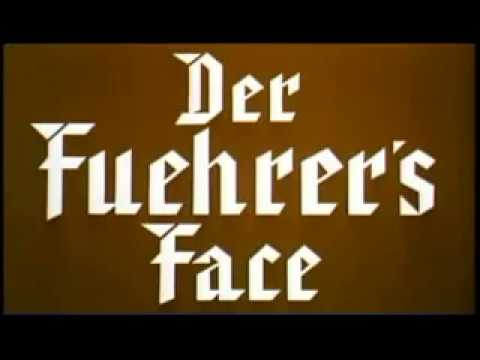
Donald Duck Nazi Episode with Prologue Speech (der Fuehrer's Face 1943)
The Role of Satire in War: A Look at WWII Propaganda
The Use of Demonization in Warfare
- In times of war, it is common to demonize the enemy as a psychological tactic. This practice continues today with dictators and despots.
- Caricatures and jokes often emerge as a means to relieve aggression against perceived threats, exemplified during World War II.
Disney's Contribution to Wartime Propaganda
- The Disney team created a cartoon titled "Donald Duck in Nutsy Land," which depicted Donald Duck experiencing nightmares under Nazi rule.
- The title was changed to "Der Fuehrer's Face" after a song by Oliver Wallace gained popularity, highlighting the cultural impact of wartime media.
Humor as a Tool for Reflection
- The film humorously reduced Hitler's Nazism to absurdity, allowing audiences to reflect on their freedoms through Donald's experiences.
- Directed by Jack Kenney, "Der Fuehrer's Face" won the Academy Award for Best Animated Short Subject in 1943.
Satirical Elements in the Cartoon
- Lyrics from the cartoon include satirical references to Nazi ideology and propaganda, showcasing how humor can critique oppressive regimes.
- Characters express exaggerated loyalty and absurdity associated with being part of the Nazi regime, emphasizing its ridiculousness.
Conclusion of Themes Presented
- The closing moments highlight the dark humor surrounding life under totalitarianism while maintaining an engaging narrative style.