Ang Babaylan bilang Unang Sikolohistang Pilipino - Mark Joseph P. Santos
Introduction to the Discussion on Babaylan
Overview of the Context
- The discussion begins with a focus on the socio-political, economic, and ritual aspects of early Filipino societies, emphasizing the importance of understanding these elements to grasp Filipino customs and their significance in civilization.
- Angelica Luis Nolliora introduces Professor Mark Joseph P. Santos as the first speaker, highlighting his academic background and contributions to historical research.
Speaker Introduction: Professor Mark Joseph P. Santos
- Professor Santos holds a Bachelor of Arts in History and a post-baccalaureate in teacher education from Polytechnic University of the Philippines (PUP). He is currently completing his Master of Divinity at Manila Theological College.
- He has published articles in various academic journals and participated in international conferences, including one at the University of Lisbon focused on Salazar's studies related to Southeast Asian history.
- His research interests include Indigenization Movements in the Philippines, particularly focusing on Filipino psychology and its contextual relevance within Philippine culture. He has taught at PUP and is now an instructor at Central Escolar University.
Babaylan as Early Psychologists in the Philippines
Presentation Focus
- Professor Santos clarifies that while he is not a psychologist by training, he has a deep interest in Filipino psychology which aligns with his research on movements like Pantayong Pananaw and Teolohiyang Pilipino.
- The title of his presentation centers around "Babaylan" as early psychologists within Filipino culture, setting up an exploration into traditional psychological practices among Filipinos before formal disciplines were established.
Historical Context of Psychology in the Philippines
- Citing Zusa Lazar's 1985 article on Philippine psychological thought, Santos identifies four classifications of psychological traditions that have emerged historically within the country: academic scientific psychology, academic philosophical psychology, ethnic psychology, and psychomedical systems.
Academic Scientific Psychology
- This discipline originated from German influences through Wilhelm Wundt around 1879 and was adapted by Americans before being introduced to the Philippines with the establishment of a Psychology Department at UP during the 1920s.
Academic Philosophical Psychology
- Unlike scientific psychology which arrived later, this form existed during Spanish colonialism centered around Santo Tomas University; it was not formally recognized but rather intertwined with broader philosophical discussions.
Ethnic Psychology
- Also known as indigenous or native psychology; it reflects local beliefs and practices rather than formal academic structures—highlighting how cultural expressions shape understanding within Filipino contexts according to Salazar’s definitions.
Psychomedical Systems
- This system falls under ethnic psychology but is distinguished due to its complexity; it encompasses holistic approaches that address mental health issues through culturally relevant frameworks despite being rooted in indigenous practices.
Ethnic Psychology and the Role of Babailan in Pre-Colonial Philippines
Overview of Ethnic Psychology
- The discussion centers on ethnic psychology related to healing systems, emphasizing the significant role of religion in these practices during pre-colonial times.
- The term "sinangunang pamayanan" is preferred over "pre-colonial" to avoid colonial-centric historical divisions.
Babailan as Early Filipino Psychologists
- Focus is placed on the psychomedical system practiced by babailan, who are considered the first Filipino psychologists.
- There is a consensus among Filipino psychology scholars that babailan are recognized as the earliest psychologists in the Philippines, supported by statements from prominent figures like Simber Helio Enriquez.
Significance of Babailan in Literature
- Indigenous knowledge from babailan and other native practitioners is crucial to understanding Philippine psychology's roots.
- The theme of recognizing babailan as early psychologists recurs throughout various literature produced within Filipino psychology.
Historical Context and Symbolism
- Babailan symbolize movements towards indigenization, often referenced in discussions about Philippine identity and cultural revival.
- They are viewed not only as spiritual leaders but also as historians and advocates for women's empowerment within feminist discourse.
Social Structure During Pre-Colonial Times
- The social structure categorized society into three classes: maginoo (nobility), timawa (freemen), and uripon (slaves), with babailan belonging to the timawa class.
- Timawa included individuals with diverse expertise, such as warriors, craftsmen, educators, and religious advisors.
Four Pillars of Sinangunang Pamayanan
- Salazar identifies four pillars: dato (political leader), panday (technological expert), bagani (military leader), and babailan (religious figure).
- Each pillar plays a distinct role; for instance, panday encompasses various crafts beyond weapon-making.
Importance of Salazar's Work on Babailan
- Salazar’s work highlights the critical role of babailan in Philippine history through multiple publications emphasizing their contributions.
- His assertion underscores that babailans were essential figures possessing both theoretical knowledge and practical skills relevant to spirituality and culture.
Understanding the Role of Babaylan in Philippine History and Feminism
The Significance of Babaylan
- The babaylan is recognized across various fields such as history, psychology, medicine, and theology, indicating their multifaceted role in understanding the spiritual world.
- Considered the first experts in religion in the Philippines, babaylans are acknowledged by contemporary scholars including historians and literary critics.
- They are viewed as ancestors to many current academics, particularly those involved in social sciences and humanities.
Historical Perspectives on Babaylan
- In historical discourse, the "Panayong Pananaw" regards babaylans as early historians due to their narrative contributions that transcend written records.
- Oral traditions like epics and legends are considered valid forms of history; these were memorized and performed by babaylans during significant events.
- Their chanting of epics positions them as pivotal figures in preserving cultural narratives within early communities.
Intersection with Contemporary Feminism
- Modern feminists in the Philippines identify with babaylanism to root their movement within indigenous consciousness rather than foreign ideologies.
- The feminist movement seeks to localize feminism by connecting it with traditional practices represented by babaylans.
Literature and Publications on Babaylan Feminism
- Notable publications include "Centennial Crossing," which celebrates a century of feminism in the Philippines while linking it back to babayan traditions.
- This literature aims to reclaim feminism's roots within Filipino culture through historical context provided by babayan practices.
Cultural Identity Crisis Among Filipinos Abroad
- The concept of identity crisis is prevalent among Filipinos living abroad who seek connection with their heritage through symbols like music or art.
- Many overseas Filipinos experience a longing for cultural identity that manifests through various expressions aimed at bridging gaps between homeland and diaspora experiences.
- These expressions often highlight a desire for reconnection with Filipino roots amidst feelings of dislocation from their homeland.
The Role of Babaylan in Filipino Identity
The Center for Babaylan Studies
- The Center for Babaylan Studies is an organization of Filipinos and Filipino Americans in the US aiming to reconnect with their roots through the symbolism of babaylan.
- Members believe that by embracing the babaylan identity, they can restore their connection to the Philippines, even while living abroad.
Symbolism and Literature
- Notable works like "Back from the Crocodile's Belly" highlight how babaylan were historically oppressed but are now being resurrected as symbols of cultural identity.
- Lenny Mendoza Strobel’s book honors babaylan through personal narratives and images, emphasizing their significance in contemporary discussions about identity.
Social and Cultural Impact
- The concept of babaylan extends beyond those experiencing identity crises; social and cultural workers also utilize it as a symbol for justice and peace.
- Marianita Gurli Villariba discusses how babaylan can combat oppressive ideologies such as capitalism and imperialism, promoting harmony between people and nature.
Holistic Healing Practices
- Traditional healing practices among ancient Filipinos viewed health holistically, integrating physical, mental, emotional, and spiritual aspects without division.
- The role of babaylan encompassed various healing dimensions—acting as psychologists, doctors, and theologians—demonstrating a comprehensive approach to well-being.
Understanding Filipino Well-being
- Central to Filipino identity are two concepts: Ginhawa (comfort or ease) located in the body’s center, and Kaluluwa (spirit), associated with the head. Their alignment is believed essential for overall health.
- Disruptions in this balance are thought to lead to illness; thus maintaining harmony between Ginhawa and Kaluluwa is crucial for preventing sickness.
Definition of Ginhawa
Understanding Ginhawa
- The term "ginhawa" is defined as comfort, which encompasses physical well-being such as proper nutrition and sleep, alongside financial stability.
Cultural Significance
- In Filipino culture, particularly among the Cebuano people, "unginawa" translates to breath, symbolizing life itself. The phrase "while there is life, there is ginhawa" emphasizes its importance.
Life and Death Concepts
Essence of Life
- The saying "while there is life, there is ginhawa" reflects the belief that ginhawa represents the essence of life. This concept extends to marriage vows where couples commit to sharing both hardships and comforts.
Afterlife Beliefs
- Upon death, a person's soul may experience three potential fates: descending into the underworld (Kailaliman), becoming an anito (spirit), or wandering in the universe if they are unsatisfied with their earthly existence.
Cosmology and Afterlife
Underworld vs. Western Cosmology
- Unlike Western beliefs that associate underworld with punishment, in Filipino cosmology (Kailaliman), it lacks this notion; all souls go there without a sense of retribution.
Three Realms Explained
- The cosmos consists of three realms: Kailaliman (underworld), Deigdig (earthly realm), and Kaitaasan (heavens). Each realm has distinct characteristics influencing souls' journeys after death.
Soul's Journey Post-Mortem
Potential Destinations for Souls
- A deceased person's soul can either descend to Kailaliman, ascend to become an anito worshipped by descendants for good harvests, or wander aimlessly if not content with their past life.
Health Implications Related to Ginhawa
Connection Between Soul and Health
- Disruption in the alignment between one's soul and body can lead to illness. An example given is "usog," believed to occur when someone experiences discomfort due to misalignment caused by external influences like greetings from elders.
Aswang Mythology
Threat Posed by Aswang
- Aswang are mythical creatures believed to cause illnesses among Filipinos by consuming vital organs like liver and intestines—considered sources of ginhawa or life's essence.
Cultural Practices Against Aswang
- Ethnographers note that ginhawa resides primarily in internal organs such as the liver and intestines. Traditional narratives often depict aswang targeting these organs during attacks on victims.
Cultural Beliefs About Human Interaction
Ritualistic Greetings
- The practice of knocking while announcing “tao po” before entering homes stems from a belief that it prevents aswang from entering unnoticed; it serves as a protective measure against losing one’s ginhawa.
Understanding the Filipino Belief System on Spirits and Well-being
The Concept of "Tao Po" and Its Significance
- The phrase "tao po" is a declaration by an individual, indicating their humanity to those inside a dwelling. It serves as a protective measure against malevolent spirits like aswang.
- This belief underscores the importance of acknowledging human presence to differentiate between humans and supernatural threats, emphasizing safety in communal living.
Spiritual Connections and Expressions
- Expressions such as "halakang nagutka" reflect cultural beliefs about the connection between one's spirit (kaluluwa) and physical well-being (ginhawa).
- The notion that severing ties between kaluluwa and ginhawa can lead to death illustrates deep-rooted fears regarding spiritual disconnection.
Moral Implications of Spiritual Disconnection
- A broken connection between kaluluwa and ginhawa may not only result in physical illness but also affect moral integrity, leading individuals to commit wrongful acts.
- Terms like "halang ang kaluluwa" are used to describe morally corrupt individuals, linking spirituality with ethical behavior.
Health Perspectives in Filipino Culture
- The alignment of kaluluwa with ginhawa is crucial for overall health—physical, emotional, mental, and spiritual—indicating a holistic view of wellness among Filipinos.
- Traditional healers (babailan) adopt multi-dimensional approaches to healing that address both physical ailments and spiritual disturbances.
Ritual Practices for Maintaining Well-being
- Ritual practices performed by babailan are essential for sustaining healthy relationships between ginhawa and kaluluwa, highlighting their role in community health.
- Aswang are seen as threats that disrupt well-being; babailan serve as counterforces that restore balance through healing practices.
Understanding Spirit Departure
- Beliefs surrounding the departure of kaluluwa from the body include dreams or sudden shocks causing temporary disconnection from one's spirit.
- Cultural narratives suggest that during sleep or moments of extreme emotion, one’s spirit may wander or detach from the body, reflecting complex views on consciousness.
Understanding the Role of Babaylan in Filipino Spiritual Healing
The Concept of Soul and Illness
- The soul can leave the body, particularly from the head, which is documented in various ethnographical records. This phenomenon is linked to beliefs among different ethno-linguistic groups.
- When the soul departs, it may be captured by an aswang (a mythical creature), leading to potential illness if it does not return promptly. Children are often believed to be more susceptible to this occurrence.
Responsibilities of the Babaylan
- The babaylan is responsible for returning a person's soul through rituals that involve applying herbal pastes and prayers.
- Beyond soul retrieval, babaylans also care for individuals' well-being, emphasizing their dual role in spiritual and physical health.
Spirituality and Healing Practices
- Isi Eflanda Hukano's writings highlight the babaylan's role in Filipino psychology, noting how spirits can cause illness when angered but can also aid in healing.
- Babaylans memorize names of spirits associated with specific ailments, allowing them to call upon these entities during healing practices.
Dance as a Healing Mechanism
- Dancing is integral to babaylan rituals; movements symbolize calls to spirits residing in various realms (earth, sky, water).
- Each gesture made by a babaylan during dance serves a purpose—invoking assistance from spirits for healing purposes.
Holistic Approach to Health
- The babaylan maintains harmony between physical health and spiritual well-being. Emotional and mental aspects are also considered crucial for overall health.
- Their prayers aim for harmonious relationships between individuals and their environment or society, emphasizing interconnectedness.
Tripartite Cosmos and Well-being
- A balanced relationship among three cosmic realms (heavens, earth, underworld) is essential for human well-being.
- Babaylans’ dances not only seek societal harmony but also connect higher realms with lower ones through their spiritual practices.
Herbal Medicine Expertise
- Babaylans are recognized as early experts in herbal medicine; they possess extensive knowledge about plants used for healing purposes.
Cultural Legacy of Babaylan
- Current descendants of babaylans exist metaphorically within consciousness rather than physically. They represent cultural continuity amidst evolving societal structures.
Cultural Divides in Healing Practices
The Divide Between Educated and Uneducated Groups
- The educated class in the Philippines tends to be westernized, using English for communication, while the uneducated majority often use Filipino and local dialects.
- Current babailan (healers) are divided into two groups: the elite (doctors, nurses, psychologists) and those from the bayan (common people), such as herbolarios and faith healers.
- Elite babailan are seen as educated and westernized, whereas those from the bayan rely on traditional healing methods that are often dismissed by their elite counterparts.
Conflicts in Healing Approaches
- There is a conflict between elite babailan (psychologists, doctors) who doubt the methods of faith healers from the bayan, labeling them as unscientific.
- Some doctors express confusion over why people prefer traditional healers over medical professionals; this preference raises questions about cultural alienation among educated individuals.
Cultural Alienation Among Professionals
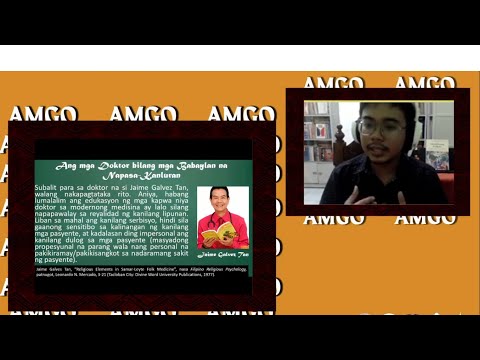
- Dr. Jaime Galvez notes that increased education leads to a greater sense of alienation from local culture among healthcare professionals.
- As professionals become more westernized, they adopt impersonal approaches to patient care that lack personal sympathy compared to traditional healers.
Holistic vs. Specialized Approaches
- Rebecca Easton's study highlights a dualistic approach among professional babailan focusing only on specific aspects of health—physical or psychological—often neglecting cultural sensitivity.
- Traditional healers provide holistic care addressing emotional, mental, spiritual, and physical needs of patients with a culturally sensitive approach.
Implications for Modern Healthcare
- The teachings of traditional babailan emphasize returning to a holistic approach in modern medicine that integrates all aspects of well-being rather than isolating them.
- Cooperation between elite healthcare providers and traditional healers is essential; competition can undermine cultural integrity within healing practices.
Understanding the Role of Babaylan in Filipino Psychology
Cultural Considerations in Healing Practices
- The importance of recognizing the needs of Filipinos from their own perspective is emphasized, particularly in contrast to Western medicine and psychology, which often overlook cultural contexts.
- Unlike Western practitioners who may view patients as ignorant or passive objects, babaylan (traditional healers) see their patients as empowered individuals with inherent knowledge and power that can aid in healing.
- The approach of babaylan promotes a collaborative relationship between healer and patient, where psychologists should learn to view patients as partners rather than mere subjects of treatment.
Holistic Healing Perspectives
- Both traditional babaylan and modern practitioners share a common goal: holistic well-being for Filipinos. This reflects a deep-rooted desire for comprehensive care that respects cultural identity.
- Acknowledgment is given to the contributions of babaylan in shaping Filipino identity and psychology, highlighting their role as early psychologists and advisors within communities.
Recognition of Contributions
- Professor Santos is thanked for providing valuable insights into the history and significance of babaylan within Filipino culture during his discussion.
- Babaylan are recognized not only as healers but also as historians and feminists who play crucial roles in reclaiming Filipino identity.
Award Presentation
- Dini Binig Salinas presents a certificate recognizing Professor Mark Joseph P. Santos for his outstanding contributions to understanding colonial impacts on Filipino psychology.
- The certificate highlights Professor Santos's role as a speaker at an event focused on deepening insights into the effects of colonialism on Philippine psychology.