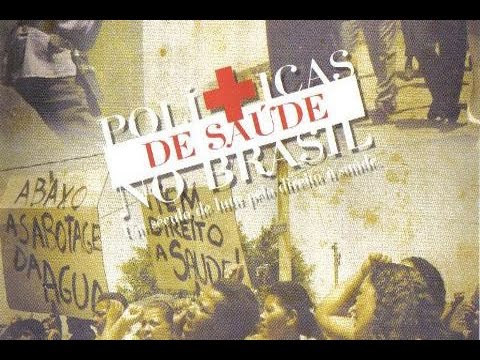
História da saúde pública no Brasil
Tomandoaudio Vamos entrar no novo século!
The speaker addresses the beginning of a new century, highlighting hopes for progress in science, technology, and medicine.
Addressing the New Century
- Speaker emphasizes the significance of entering a new century with great expectations for advancements.
- Discussion on healthcare disparities between the rich and poor, emphasizing the role of charity in caring for the less privileged.
- Concerns raised about epidemics tarnishing Brazil's reputation and hindering immigration.
- Debate on mandatory vaccination policies and resistance from certain groups like military positivists.
Epidemia de feb mariano, Rio de Janeiro!
The speaker discusses health crises in Rio de Janeiro due to various diseases plaguing the population.
Health Crisis in Rio de Janeiro
- Epidemic outbreaks of diseases such as yellow fever, malaria, and plague causing national shame.
- Criticism of how epidemics impact Brazil's image negatively and deter immigrants from settling in the country.
- Reference to Spanish flu causing widespread deaths in Brazil and government inaction exacerbating the situation.
De l'immigrante para a expansão da café.
Focus shifts to initiatives aimed at public health improvement through measures like vaccination campaigns and sanitation efforts.
Public Health Initiatives
- Establishment of Instituto Soroterápico de Manguinhos for vaccine production and organized health campaigns akin to warfare.
- Emphasis on sanitation efforts led by authorities like the mayor of Rio de Janeiro to combat disease spread.
- Introduction of legislation regulating retirement funds to provide medical assistance for workers after years of service.
Doutor Paula Souza volta para o Brasil.
Dr. Paula Souza's return to Brazil is highlighted along with his contributions towards public health reforms.
Dr. Paula Souza's Return
- Dr. Paula Souza returns from studying public health in the U.S., initiating projects promoting social hygiene over punitive measures.
- Description of Centro de Saúde focusing on social education, hygiene promotion, and community-centered healthcare approaches.
Jetúlio Vargas and the Evolution of Brazil
This section delves into the political landscape of Brazil during Jetúlio Vargas' presidency, focusing on key decrees, power shifts, and societal reactions.
The Rise of Jetúlio Vargas
- Centralization of power: Jetúlio Vargas consolidates power, shifting influence from coffee exporters to industrialists.
- Decree announcement: President Vargas announces centralization and standardization in healthcare structures through a new decree, emphasizing support for the poor.
- São Paulo's resistance: São Paulo resists Vargas' plans, demanding the promised constitution and questioning elite exclusion from power.
Social Reforms and Economic Policies
- Creation of institutions: Establishment of the Institute of Retirement and Maritime People to provide medical benefits and pensions for workers.
- Worker involvement in administration: Workers engage in administrative decisions alongside employer representatives within institutions.
- Capitalization regime proposal: President Vargas considers a capitalization system to boost resources for industrial development.
Challenges and Unrest During Vargas' Rule
This segment explores challenges faced by President Vargas, including financial concerns, communist uprisings, and authoritarian measures.
Financial Considerations
- Contribution system explanation: President explains the contribution system akin to life insurance for access to retirement benefits or medical assistance.
- Capital utilization proposal: Emphasis on utilizing accumulated funds for industrial financing amid economic needs.
Political Turmoil
- Communist uprising suppression: President declares a state of siege following a failed communist military uprising.
- State intervention measures: Suspension of presidential elections, closure of Congress, and initiation of Estado Novo under Vargas' rule.
Transition Period and Healthcare Advancements
This part covers political transitions post-Vargas era along with advancements in healthcare infrastructure under his governance.
Post-Vargas Era Developments
- Opposition to Estado Novo: Growing opposition leads to Vargas' deposition with subsequent presidential elections; Communist Party outlawed briefly.
Healthcare Progression
- Shift in healthcare model: Transition towards specialized care faces resistance from general practitioners due to American influence post-war efforts.
Vargas' Return and Health Ministry Creation
Focuses on Jettúlio's return as president after being deposed as dictator along with initiatives like creating the Ministry of Health.
Political Comeback
- Electoral victory: Jettúlio returns as president through popular vote after prior dictatorship tenure; initiates telecom reforms in Betupi region.
Healthcare Expansion
Healthcare Systems and Public Health
The discussion revolves around contrasting approaches in public health, emphasizing the importance of preventive medicine over individual medical care.
Different Perspectives in Public Health
- Public health aims to strengthen actions in preventive medicine rather than individual medical care.
- Diverse views exist within public health, with some advocating for vertical disease-specific programs like tuberculosis and leprosy treatment centers.
- Criticism is directed towards models promoting segregation, with suggestions for community health centers focusing on social conditions.
Evolution of Healthcare Models
Various experts propose a shift towards a comprehensive public healthcare system that integrates social factors and local networks.
Vision for Inclusive Healthcare
- Notable figures like Dr. Josué de Castro advocate for a universal public healthcare system based on municipal networks.
- The idea of creating a nationwide public health system accessible to all citizens is discussed, albeit with a projected realization timeline of approximately 30 years.
Challenges in Healthcare Provision
Historical context surrounding governmental corruption and power struggles impacting healthcare infrastructure development is highlighted.
Political Turmoil and Healthcare Infrastructure
- Reference to historical events involving government corruption under Vargas' administration leading to power shifts and infrastructure developments like hospitals.
- Discussion on political movements influencing governance decisions affecting economic development, industrial growth, and healthcare services provision.
Diversification of Medical Services
Debate on the diversification of medical services delivery models including group medicine as an alternative to individualized care by private entities.
Evolution of Medical Service Delivery
- Concern raised about unifying all medical services under one standard potentially compromising quality due to varying capabilities among different providers.
- Introduction of group medicine as a concept catering to employees' healthcare needs through private medical services offered by companies.
Future Trends in Healthcare Management
Exploration of emerging trends such as employer-provided medical services aimed at enhancing workforce productivity through improved healthcare access.
Shifting Paradigms in Healthcare Management
- Advantages of employer-sponsored medical services highlighted, including enhanced workforce selection and reduced absenteeism rates.
Previdência Social e Saúde Pública
The discussion revolves around the extension of social security benefits to rural workers, highlighting the challenges and successes in providing healthcare and retirement benefits to a larger population.
Government Extension of Previdência Social Benefits
- The federal government extends Previdência Social benefits to rural workers, acknowledging the significant impact on providing healthcare and retirement assistance.
- Concerns arise regarding the lack of oversight in private medical services, leading to discussions within community groups about health issues.
- Community members gather to demand better healthcare infrastructure, transportation access, and affordability due to growing concerns over inadequate facilities.
Health Challenges and Censorship
This segment delves into the escalating health crisis, censorship issues surrounding public health reporting, and grassroots movements advocating for improved healthcare access.
Escalating Health Crisis and Censorship
- Rising poverty levels contribute to increased diseases among children as government neglect leads to deteriorating public health services.
- Censorship attempts are evident as news coverage is restricted on health crises like meningitis outbreaks, reflecting a controlled narrative by authorities.
Community Empowerment in Healthcare
The focus shifts towards community-driven initiatives in healthcare advocacy, emphasizing unity among healthcare workers, students, and educators for improved public health outcomes.
Community-Led Healthcare Advocacy
- Collective efforts by healthcare workers, students, and teachers underscore the importance of community involvement in shaping healthcare policies for better outcomes.
- Positive developments in innovative healthcare practices across various municipalities highlight a shift towards primary care alternatives outside traditional hospital settings.
Challenges in Public Health System
Addressing systemic challenges within the public health system reveals financial strains impacting service delivery while emphasizing grassroots movements' role in advocating for change.
Systemic Challenges and Grassroots Movements
- The establishment of a national social security system aims to consolidate medical assistance under one umbrella organization but faces skepticism regarding its effectiveness.
- Grassroots movements advocate for improved public health structures amid financial constraints affecting service provision across regions nationwide.
Political Landscape Impacting Healthcare
Political decisions influence healthcare accessibility as debates ensue over resource allocation between social security systems and private hospitals' profit-driven motives.
Political Influence on Healthcare Accessibility
- Political choices prioritize private hospital profits over public health needs, exacerbating disparities in access while concealing disease outbreaks through censorship measures.
Desafios e Conquistas do Sistema Único de Saúde (SUS)
In this section, the speaker discusses the challenges and achievements of the Brazilian Unified Health System (SUS), emphasizing the importance of a public health system controlled by society.
Challenges Faced by Movimentos Sociais and Workers
- Movimentos sociais, workers, and managers advocate for a single, quality public health system controlled by society through health councils.
- The struggle involves caravans, mobilizations to establish SUS in the constitution as a popular conquest based on principles like universal access and social participation.
Principles of SUS
- SUS principles include universality, integrality, equity, and social participation shifting healthcare from favor to right.
- Emphasizes that SUS provides universal care regardless of economic status with services from vaccines to transplants.
Participação Social no SUS
This part highlights the significance of social participation in SUS through health councils and conferences for policy control and resource oversight.
Importance of Social Participation
- Participation is key to SUS success; each city has a health council with users forming half while workers and managers share the other half.
- Without these councils and conferences, municipalities risk exclusion from SUS funding necessitating movement involvement for societal control.
Regulamentação e Desafios do SUS
Discusses the regulation of SUS in 1990 with Acts 8080 and 8142 amid challenges like corruption allegations affecting healthcare delivery.
Regulatory Milestones
- Acts 8080 and 8142 regulated SUS operations despite governmental challenges such as corruption allegations impacting service provision.
- Impeachment calls against President Colo due to mismanagement highlight ongoing struggles within Brazil's healthcare system.
Inovações e Desafios na Saúde Pública
Introduces innovations like the Health Family Program while addressing emerging issues such as internet introduction impacting healthcare management.
Healthcare Innovations
- Launch of Health Family Program aims at providing home-based care to populations enhancing preventive measures alongside clinical assistance.
Reform of the Social Security System
In this section, the discussion revolves around the announcement of sending a Social Security Reform project to Congress, highlighting the need for change due to financial deficits. The conversation touches on concerns about healthcare assistance and the relationship between private initiatives and public health services.
Government's Proposal for Social Security Reform
- The government is sending a Social Security Reform project to Congress due to unsustainable deficits.
- The public health system (SUS) is crucial as it faces opposition from those who profit from illness, emphasizing the importance of a universal and quality public healthcare system.
- Challenges include lack of responsibility from authorities, outsourcing health services, leading to unequal treatment based on financial status.
Achievements and Challenges of SUS
This part delves into the 20-year journey since the eighth national health conference, celebrating achievements in public health while acknowledging ongoing challenges within Brazil's healthcare system.
Evolution of SUS
- Reflection on 20 years post-eighth national health conference showcasing advancements and issues within SUS.
- Highlights various successful healthcare initiatives across Brazil under SUS, including transplant programs and cutting-edge medical technologies.
- Emphasizes that SUS plays a vital role in public health by preventing epidemics, ensuring water quality, and intervening in daily life aspects.
Impact and Future Prospects of SUS
This segment explores the significant impact of SUS in providing healthcare access to millions daily. It also discusses policy changes like the Health Pact aimed at improving healthcare delivery.
Significance of Health Pact
- Despite challenges, over 98% of individuals seeking healthcare are attended to under SUS.
- The Health Pact revolutionizes financing methods and managerial responsibilities in healthcare with set goals monitored through health indicators.
- Local municipalities play a key role in implementing innovative healthcare practices under SUS.
Community Engagement and Advocacy for Public Health
This part focuses on community involvement in enhancing public health services through collaborative efforts between local councils and municipal hospitals.
Community Participation
- Municipal hospitals integrate with basic healthcare services ensuring universal access while promoting community engagement.
- Personal account from an activist highlighting decades-long dedication to improving public health infrastructure through advocacy efforts.
SUS: A Vision for Societal Transformation
Discusses how SUS goes beyond just a healthcare initiative but serves as a platform for societal change by empowering individuals towards better governance practices.
Societal Impact
- Despite challenges, SUS stands as a transformative project offering hope for societal change beyond mere medical care.