Why Morality Is a Social Weapon – Foucault’s Hidden Truth
Why Morality is a Social Weapon
Introduction to Morality and Its Origins
- The discussion begins by questioning the foundations of personal beliefs, particularly in morality, urging viewers to reflect on why they feel guilt or shame regarding certain actions.
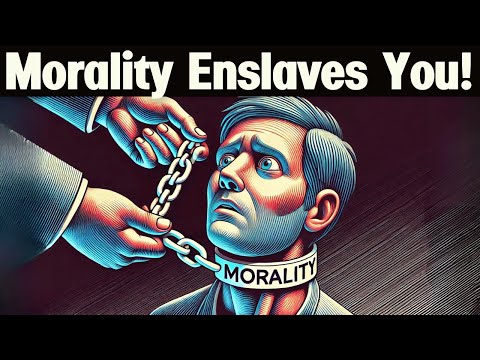
- It introduces Michel Foucault's perspective that morality serves as a tool for control rather than merely a universal code of conduct.
- Foucault challenges us to consider who defines morality and highlights its often manipulative nature, suggesting it is more about power dynamics than justice.
Internalization of Discipline
- From childhood, societal rules instill obedience, which can label questioning individuals as troublemakers, leading to punishment rather than understanding.
- This concept is termed "internalization of discipline," where individuals learn self-control through moral teachings that make them their own jailers.
The Function of Morality in Society
- Foucault posits that much of what we perceive as morality may actually be behaviors designed to create predictability and compliance within society.
- He uses sexuality as an example, arguing that labeling certain desires as immoral serves to categorize and control individuals.
Questioning Personal Morality
- Viewers are prompted to examine how much of their moral framework is genuinely theirs versus imposed by external influences like parents or media.
- Foucault’s insights encourage reclaiming ethics from inherited systems rather than abandoning all ethical considerations.
Historical Context and Moral Evolution
- The video discusses how moral standards shift over time; practices once deemed acceptable (like slavery or colonization) become recognized as immoral due to changing power structures.
Living Philosophically: Questioning Morality
The Journey Towards Self-Awareness
- Engaging with philosophical questions about morality leads to deeper self-awareness and transformation in one's ethical outlook.
- Viewers are encouraged to recognize the tension between imposed morals and personal convictions, indicating a state of awakening rather than brokenness.
Asking the Right Questions
- Instead of seeking easy answers about right and wrong, the focus shifts towards understanding the social constructs behind these concepts.
Mechanisms Shaping Good and Evil
Power Dynamics in Moral Constructs
- Foucault emphasizes that power shapes identities and truths through moral language embedded in institutions like schools and workplaces.
Institutional Influence on Behavior
- Institutions teach not just academic skills but also conformity, competition, and obedience under the guise of moral development.
The Role of Algorithms in Modern Morality
Social Media's Impact on Ethics
- Algorithms shape our perceptions of morality today; controversial opinions can lead to social ostracism or cancellation based on unspoken codes.
Understanding Control Through Language
Rebranding Control as Care
- Modern systems disguise control mechanisms with benevolent language—censorship framed as protection—highlighting continuity in power dynamics despite apparent changes.
Resistance Through Awareness
Critical Examination of Values
- Foucault advocates for awareness over escape from moral constraints; recognizing historical context allows for reclaiming individual agency over ethics.
Rebuilding Ethics
Constructing New Moral Framework
- Viewers are urged not only to reject inherited morals but also actively reconstruct their ethical frameworks based on lived experiences.
Illusion of Moral Progress
Questioning Historical Narratives
- The belief in linear moral progress is challenged; history often recycles ethical lies under new guises while maintaining underlying power structures.
Vigilance Against Manipulation
Recognizing Patterns in Control
- Societal norms often mask manipulation; questioning prevailing narratives helps avoid complicity in oppressive systems disguised as progress.
Turn any video into a summary like this
YouTube links, meetings, lectures. With transcripts, search, and chat.