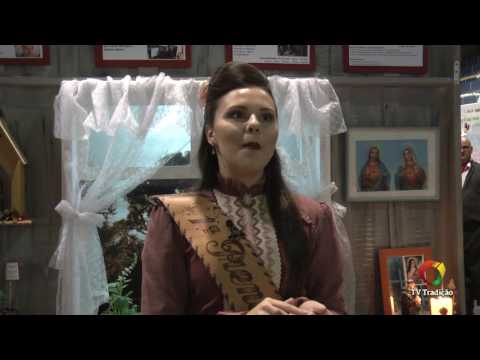
Renata da Silva - 30ªRT - 47ª Ciranda Cultural de Prendas - Mostra Folclórica
Introduction to Benzedura and Cultural Beliefs
Overview of Benzedura
- Renata da Silva introduces her representation of a benzedeira's prayer corner, emphasizing the personal and familial belief in benzedura as a form of healing.
- She highlights the psychological and physical needs that drive both primitive and modern humans to seek magical solutions.
Historical Context
- The speaker discusses how ancient peoples developed their own beliefs, with superstitions arriving in Brazil through Portuguese influence, reflecting a lack of rational foundation.
- The origins of benzedura are linked to Indigenous, African, and Catholic cultural elements, showcasing religious syncretism during Brazil's colonial period.
Practices and Rituals in Benzedura
Nature of Benzedura
- Benzedura is described as a ritual involving repetitive words and gestures performed by those known as benzedeiras who possess the gift of healing from God.
- Personal testimonies play a crucial role in the popularity of benzedura; individuals often turn to it when traditional medicine fails.
Personal Testimony
- Renata shares her experience with a skin condition at age 15 that left a lasting mark, illustrating the personal connection many have with these practices.
Classification and Techniques in Benzedura
Types of Rituals
- The classification involves using scissors symbolizing cutting away evil; benzedeiras engage in dialogue with those they heal during rituals.
- Specific techniques include cutting leaves while reciting prayers, which are then burned as part of the cleansing process.
Interviews with Practitioners
- Renata interviewed multiple benzedeiras; one claimed divine intervention for her gift while others followed family traditions without claiming special gifts.
Unique Practices Among Benzedeiras
Distinctive Ritual Methods
- A notable practice involves using salt on a plate combined with specific prayers aimed at dispelling storms or misfortunes.
- Another practitioner uses rue dipped in holy water for protection rituals, demonstrating variations among practitioners based on personal beliefs.
Challenges Facing Traditional Practices
Generational Shift
- There is concern about younger generations' disinterest in continuing these traditions; older practitioners feel uncertain about passing down their knowledge.
Modern Context
- Despite advancements in modern medicine offering various healing options, there remains an enduring belief that only learned practices can perform miracles.
Conclusion on Cultural Significance
Reflection on Faith and Tradition
- Renata reflects on how faith plays an essential role in these practices; she notes that many families historically relied on benzedeiras for spiritual support.
Current Relevance
- The decline in popularity among younger people poses challenges for preserving this cultural heritage amidst societal changes influenced by capitalism.
Turn any video into a summary like this
YouTube links, meetings, lectures. With transcripts, search, and chat.