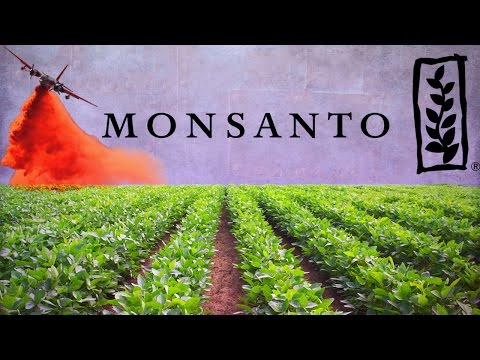
Monsanto: The Company that Owns the World’s Food Supply
The Controversy Surrounding GMOs
Introduction to GMOs
- Genetically modified organisms (GMOs) have sparked controversy since their inception, becoming a buzzword among social media experts.
- Despite the outrage, GMOs significantly impact everyone and are a serious topic worth discussing.
The Dominance of Corn in the US
- In 2014, the US cultivated over 361 million tons of corn, making it the most produced crop by far.
- Approximately 85% of all US corn is genetically modified, highlighting the prevalence of GMOs in everyday products.
The Origins of Monsanto
Founding and Early Years
- Monsanto was founded in 1901 by John Francis Queeny, originally as a chemical company.
- Queeny's early life was marked by hardship; he had to leave school at age 12 due to family circumstances.
Saccharin Production
- The company's initial focus was on producing saccharin, an artificial sweetener that had no nutritional value but became popular in America.
- By 1905, Monsanto expanded its product line to include vanillin and coumarin after gaining traction in the market.
Growth During World War I
Market Expansion
- With the US entering WWI in 1917, imports from Germany halted, allowing Monsanto to fill a significant market void.
- Revenue surged from $81,000 in 1913 to $905,000 by 1919 as they capitalized on wartime demand.
Toxic Chemicals and Environmental Impact
PCB Production
- In the late 1920s, Monsanto began producing polychlorinated biphenyl (PCB), known for its toxicity and environmental persistence.
- Internal documents revealed that Monsanto knew about PCB's dangers long before Congress banned them in 1979.
Military Contributions and Chemical Innovations
WWII Contributions
- By WWII's onset in 1939, Monsanto became a key supplier for military chemicals like Styrene used for synthetic rubber.
- They also contributed to the Manhattan Project with polonium-based initiators for atomic bombs dropped on Japan.
Shift Towards Agriculture
Pesticides Development
- Post-war decades saw Monsanto enter agriculture with pesticides like DDT (banned due to toxicity).
- Agent Orange became infamous during Vietnam for its devastating effects on both crops and human health.
Transition into Biotechnology
Focus Shift
- Facing lawsuits and bans on harmful chemicals led Monsanto to pivot towards agricultural biotechnology in the early '80s.
- In 1983, they achieved a milestone by being first to genetically modify plants—ushering in an era of GMOs.
GMO Crops: Benefits vs. Misuse
Understanding GMO Perception
- While GMO crops can be beneficial when modified responsibly, greed has often led companies like Monsanto astray.
Glyphosate Discovery
- Glyphosate was discovered during this tumultuous period; marketed as Roundup herbicide which saved Monsanto from bankruptcy.
Dominance Through Patents
Seed Business Expansion
- By controlling patents on GMO seeds and enforcing strict rules against replanting or sharing seeds,
Monsanto ensured stable revenue growth while dominating U.S. agriculture.
Corporate Restructuring
Spin-off Strategy
- In an attempt at rebranding after controversies surrounding pollution,
Monsanto spun off its chemical business into Solutia but retained leadership continuity.
Current Status and Future Prospects
Financial Success Amidst Controversy
- Despite ongoing boycotts against it,
Monsanto generated $15 billion last year primarily through Roundup sales and GMO seeds resistant to it.
Potential Acquisition
- Bayer’s recent acquisition offer highlights ongoing consolidation within agribusiness,
with analysts predicting a challenging future without independent entities like Monsanto.
Turn any video into a summary like this
YouTube links, meetings, lectures. With transcripts, search, and chat.