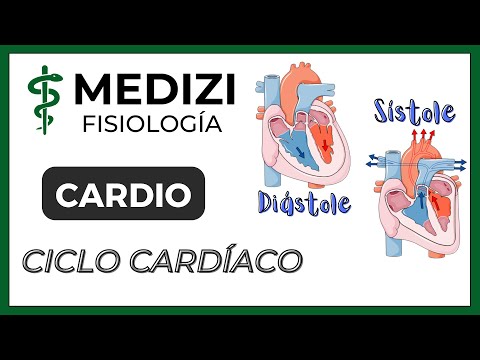
Clase 17 Fisiología Cardíaca 2 - Ciclo cardíaco (IG:@doctor.paiva)
Introduction to Cardiac Physiology
Overview of Cardiac Cycle
- The session is the 17th class on cardiac physiology, led by Eduardo Paiva, focusing on the cardiac cycle.
- Key topics include generalities of the cardiac cycle, functions of atria and ventricles, and concepts of preload and afterload.
Phases of Cardiac Cycle
- The cardiac cycle consists of diastole (ventricular relaxation) and systole (ventricular contraction), initiated by spontaneous action potentials from the sinoatrial node.
- Atrial contraction occurs approximately 0.1 seconds before ventricular contraction, highlighting a sequential process in heart function.
Functionality of Atria and Ventricles
Role of Atria
- Atria are referred to as "booster pumps," with 80% of blood flowing into ventricles passively without atrial contraction; only 20% is actively pushed during atrial contraction.
- This indicates that even if atrial contractions are compromised (e.g., in atrial fibrillation), the heart can still function effectively due to its capacity to pump excess blood.
Functionality of Ventricles
- Ventricular filling involves two phases: rapid filling during early diastole and slower filling aided by atrial contraction.
- The volume dynamics include end-diastolic volume (EDV), end-systolic volume (ESV), and stroke volume (SV).
Ventricular Filling Dynamics
Phases of Filling
- Rapid ventricular filling occurs when pressure drops in ventricles post-contraction, allowing AV valves to open for blood inflow.
- The filling phase is divided into three parts: rapid filling, slow filling, and final contribution from atrial contraction.
Ventricular Ejection Process
Ejection Phase Breakdown
- Ventricular ejection consists of two main periods: isovolumetric contraction followed by ejection phase where blood is expelled into arteries.
- During isovolumetric contraction, pressure builds up without a change in volume until it exceeds arterial pressures.
Pressure Requirements for Ejection
Understanding Ventricular Function and Ejection Fraction
Phases of Ventricular Ejection
- The heart's ventricles must overcome pressure to open valves, leading to a rapid ejection of approximately 70% of blood volume, termed the "rapid ejection fraction."
- The ventricular ejection phase is divided into three parts: the first third (rapid ejection) accounts for 70% of blood volume, while the remaining two-thirds (slow ejection) account for 30%.
Relaxation Phase and Valve Closure
- After ventricular contraction, pressures in the ventricles drop, allowing arterial pressures to push blood back into the ventricles.
- This backflow causes closure of semilunar valves (aortic and pulmonary), resulting in the second heart sound.
- Following valve closure, there is a period where ventricular relaxation continues until atrial pressures exceed ventricular pressures.
Volumes Associated with Ventricular Function
- Key volumes include:
- End-Diastolic Volume (EDV): Approximately 110-120 ml when ventricles are filled post-diastole.
- Stroke Volume (SV): About 70 ml expelled during systole into arteries.
- End-Systolic Volume (ESV): Remaining volume after contraction, around 40-50 ml.
Ejection Fraction and Cardiac Output
- The relationship between these volumes shows that EDV equals ESV plus SV. In a healthy heart, about 60% of EDV is expelled per contraction.
- Ejection fraction represents this percentage; however, it’s crucial not to confuse it with stroke volume or cardiac output—cardiac output being total blood expelled per minute.
Clinical Implications of Ejection Fraction
- A patient may have a normal ejection fraction but still present with low cardiac output due to reduced overall volumes—highlighting potential instability despite seemingly normal metrics.
- An example illustrates how concentric hypertrophy can lead to decreased chamber size yet maintain an apparently normal ejection fraction at rest.
Importance of Preload and Afterload
- Preload refers to diastolic filling pressure; increased venous return raises preload.
Understanding Cardiac Cycle Dynamics
Impact of Hypertension on Cardiac Function
- Hypertension, whether systemic or pulmonary, increases the workload on the heart. For instance, systemic hypertension raises the left ventricle's load, while pulmonary hypertension affects the right ventricle.
- The relationship between pressure and post-load is crucial; higher pressures require greater effort from the ventricles to overcome resistance during contraction.
Overview of Cardiac Cycle Events
- The cardiac cycle involves distinct phases characterized by changes in atrial and ventricular pressures. During ventricular contraction, pressure rises leading to closure of atrioventricular valves, producing the first heart sound.
- As ventricular pressure exceeds aortic pressure, ejection begins with opening of semilunar valves. This phase is critical for blood flow from ventricles into arteries.
Phases of Ventricular Relaxation and Filling
- After ejection, as ventricular pressure falls below arterial pressure, semilunar valves close creating the second heart sound. Atrioventricular valves remain closed during this phase known as isovolumetric relaxation.
- When ventricular pressure drops below atrial pressure, atrioventricular valves open allowing rapid filling of ventricles without atrial contraction.
Completion of Ventricular Filling
Turn any video into a summary like this
YouTube links, meetings, lectures — with transcripts, search, and chat.