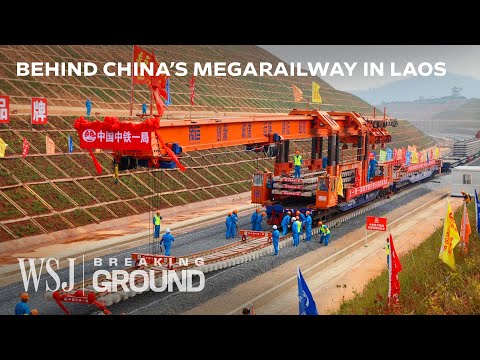
China’s New $6B Railway in Laos: Massive Debt Trap or Megaproject Success? | WSJ Breaking Ground
The Impact of China's High-Speed Railway in Laos
Overview of the Railway Project
- A $6 billion high-speed railway has been constructed in Laos, transforming previously underdeveloped areas into a potential trade hub.
- This railway is part of China's Belt and Road Initiative (BRI), aimed at creating a global infrastructure network connecting various countries.
Economic Implications
- The railway's first stop is near a special economic zone, leading to rapid urban development with residential and commercial buildings emerging.
- The World Bank estimates that the railway could increase Laos' aggregate income by up to 21% if managed effectively, facilitating exports of over 2,000 products.
Debt Concerns
- Laos financed more than half of the railway through loans from the Export-Import Bank of China, raising concerns about unsustainable debt levels.
- By 2021, Laos' external debt reached approximately 90% of its GDP, contributing to fears of an impending economic crisis.
Environmental and Social Issues
- Local populations express concerns regarding displacement and environmental impacts despite claims from China about funding for environmental protection.
- Critics argue that BRI projects may lead to increased carbon emissions and view Chinese lending as potentially exploitative towards developing nations.
Geopolitical Context
- There are fears among Western nations that China's lending practices could create "debt traps," undermining sovereignty in countries like Laos.
- Unlike other nations facing similar issues with Chinese debt, Laos maintains a unique relationship with China due to shared political ideologies and historical ties.
Diplomatic Relations
- Laos has historically supported China's positions in international forums while navigating a complicated relationship with the United States stemming from past conflicts.
- U.S. efforts for reconciliation include financial aid for clearing unexploded ordnance left from the Vietnam War but have not significantly improved relations.
Future Prospects
- Experts suggest that stronger relationships between Western countries and developing nations are necessary to counterbalance Chinese influence effectively.
- Despite severe debt distress, Laos prefers negotiating directly with China rather than seeking assistance from Western institutions like the IMF.
Conclusion on Development Trajectory
- While there has been industrialization spurred by Chinese investments, economists remain skeptical about whether this will lead to sustainable growth for Laos moving forward.
Turn any video into a summary like this
YouTube links, meetings, lectures. With transcripts, search, and chat.