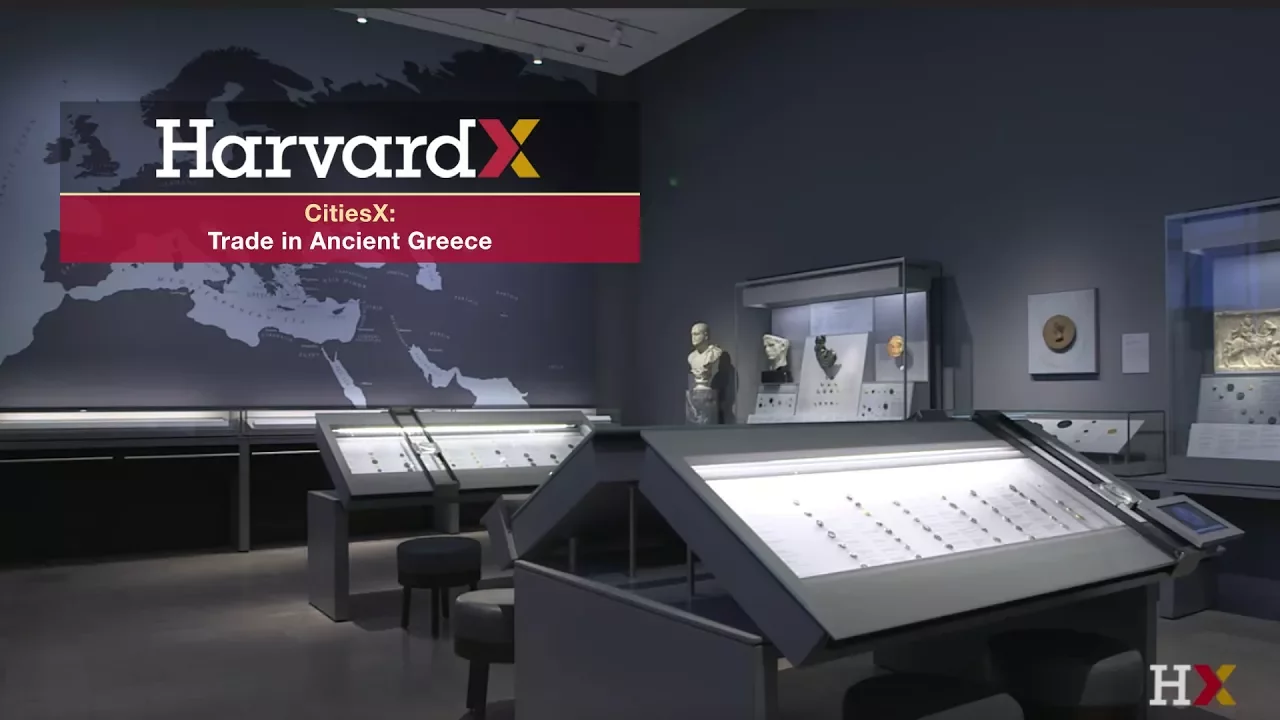
Trade in Ancient Greece
The Economic Significance of Ancient Coins
Historical Context and Trade Insights
- Ed Glaeser introduces the concept of ancient coins as historical artifacts that reflect trade patterns, highlighting their role in understanding past economies.
- Phoebe Segal discusses the layout of a gallery showcasing Greek coins, emphasizing how city-states influenced coinage and trade practices.
- Each city-state had unique denominations and standards for currency, necessitating exchange rates during inter-city trade.
- Athenian coins were particularly valuable due to their high silver purity, symbolizing Athens' superpower status during the mid-fifth century BCE.
- The widespread presence of Athenian coins in regions like Egypt and Sicily illustrates the exchange of currency for essential commodities such as grain.
Trust and Quality in Coinage
- Glaeser notes concerns traders had regarding coin quality, including fears of shaving edges or using inferior metals.
- Segal explains that Athenian silver was trusted due to its purity from high-quality mines opened post-Persian Wars.
- Examples exist where holes were punched into coins to verify their authenticity and purity, reflecting trust issues in ancient commerce.
Imperialism vs. Commerce: The Role of Coinage
- Segal highlights how Athens used its coinage strategically to assert dominance over allies and rivals alike.
- In contrast, Sparta did not issue coinage until much later, indicating a focus on military power rather than commercial activity.
- Glaeser questions whether beautiful coins held more value in trade or served different purposes; Segal suggests they primarily reflected artistic expression rather than economic utility.
Artistic Value and Market Dynamics
- The discussion shifts to the multi-layered value of coins today—original worth, metal market value, and art market valuation are all considered distinct yet interconnected.
- Coins featured diverse designs representing gods, local heroes, or commodities like wine storage vessels (amphora), serving both ideological and promotional functions for cities.
Legacy Beyond Coins: Daily Life in Ancient Greece
Trade and Measurement in Ancient Athens
Importance of Accurate Weights in Trade
- The significance of precise weights in trade is highlighted, as inaccuracies could lead to cheating.
- A large grain measuring block from Assos, Turkey, features cavities for different grain measurements, indicating its public use for buying grain.
- The discussion contrasts the standardization of coins with the necessity of measuring commodities on-site during trade.
Standardization and Trust in Currency
- Coins made from precious metals are standardized across various denominations, fostering trust among traders.
- The ability to trade swiftly without needing to measure or count each transaction is emphasized as a key advantage of standardized currency.
Role of Cities in Facilitating Trade
Turn any video into a summary like this
YouTube links, meetings, lectures — with transcripts, search, and chat.