Osteocytes are mature bone cells that maintain the protein and mineral content of the surrounding matrix, directing calcium release into blood and deposition into the matrix.
Osteocytes reside in lacunae between layers of calcified matrix (lamellae), with canaliculi connecting them for nutrient diffusion through tight junctions.
Osteoblast Functionality
Osteoblasts are cuboidal cells on bone surfaces that secrete organic components of the bone matrix (osteoid), which later mineralizes.
When surrounded by matrix, osteoblasts differentiate into osteocytes; they respond to mechanical and hormonal stimuli to initiate new bone production (osteogenesis).
Role of Osteoprogenitor Cells
Osteoprogenitor cells are stem cells found in various locations like the periosteum; they divide to produce daughter cells that become osteoblasts.
Osteoclast Activity
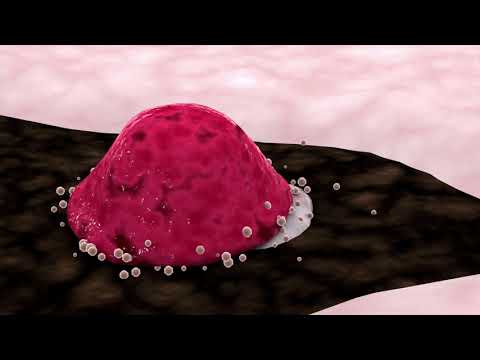
Osteoclasts are large multinucleated cells involved in bone resorption; they secrete acids via lysosomal exocytosis to dissolve bony matrix and release minerals.
Balance Between Bone Formation and Resorption
The balance between osteoclast activity (bone removal) and osteoblast activity (bone formation) is crucial for maintaining bone strength; an imbalance can lead to weaker or stronger bones.
Turn any video into a summary like this
YouTube links, meetings, lectures. With transcripts, search, and chat.
Bone Cells Explained | Osteoblasts, Osteocytes, Osteoclasts & Osteoprogenitor Cells
Learn the four major bone cell types and how they work together to maintain, repair, remodel, and strengthen the skeletal system. This anatomy and physiology lesson covers osteoblasts, osteocytes, osteoprogenitor cells, and osteoclasts, along with bone matrix, lacunae, canaliculi, lamellae, osteogenesis, and osteolysis.
Bone is a dynamic tissue that is constantly being broken down and rebuilt. The balance between bone formation and bone resorption is essential for maintaining healthy bones, regulating calcium levels, and repairing fractures.
Osteocytes
• Mature bone cells
• Maintain and monitor bone matrix
• Regulate calcium movement between bone and blood
• Located within small chambers called lacunae
• Surrounded by layers of bone matrix called lamellae
• Connected by tiny channels called canaliculi
• Exchange nutrients and wastes through gap junctions
• Help maintain bone tissue and mineral balance
Lacunae, Lamellae, and Canaliculi
• Lacunae are small spaces housing osteocytes
• Lamellae are layers of calcified bone matrix
• Canaliculi connect osteocytes and blood vessels
• Allow communication, nutrient delivery, and waste removal
Osteoblasts
• Bone-forming cells
• Cuboidal cells found on bone surfaces
• Produce osteoid, the organic component of bone matrix
• Responsible for osteogenesis (new bone formation)
• Respond to mechanical stress and hormones
• Become osteocytes when surrounded by matrix
Osteoprogenitor Cells
• Bone stem cells
• Derived from mesenchymal tissue
• Found in the periosteum and endosteum
• Divide and differentiate into osteoblasts
• Essential for bone growth, healing, and fracture repair
Osteoclasts
• Large multinucleated bone-resorbing cells
• Derived from the same stem cells that form monocytes and neutrophils
• Secrete acids and enzymes that dissolve bone matrix
• Release calcium and phosphate into body fluids
• Responsible for osteolysis (bone breakdown)
• Critical for bone remodeling and mineral regulation
Bone Remodeling
• Osteoclasts remove old bone tissue
• Osteoblasts build new bone tissue
• Continuous process throughout life
• Maintains bone strength and mineral homeostasis
Clinical Importance
• Excessive osteoclast activity can lead to weaker bones and osteoporosis
• Increased osteoblast activity can strengthen bones
• Bone remodeling is essential for fracture healing
• Calcium and phosphate regulation are vital for muscle contraction, nerve function, and overall health
This lecture is ideal for Anatomy & Physiology, Histology, Biology, Nursing, Pre-Med, Physical Therapy, Occupational Therapy, Medical Assisting, Exercise Science, and Allied Health students preparing for lectures, practical exams, and laboratory identification.
Keywords: bone cells, osteoblasts, osteocytes, osteoclasts, osteoprogenitor cells, bone remodeling, osteogenesis, osteolysis, bone tissue, skeletal system, lacunae, lamellae, canaliculi, osteoid, calcium homeostasis, bone matrix, anatomy and physiology, histology, human anatomy, bone growth, fracture healing, osteoporosis, endosteum, periosteum, skeletal biology.
#BoneCells #Osteoblasts #Osteocytes #Osteoclasts #BoneRemodeling #AnatomyAndPhysiology #Histology #HumanAnatomy #SkeletalSystem #BoneTissue #Biology #NursingSchool #MedicalEducation #PreMed #AlliedHealth #Osteogenesis #Osteolysis #FractureHealing #HealthcareEducation #ScienceEducation