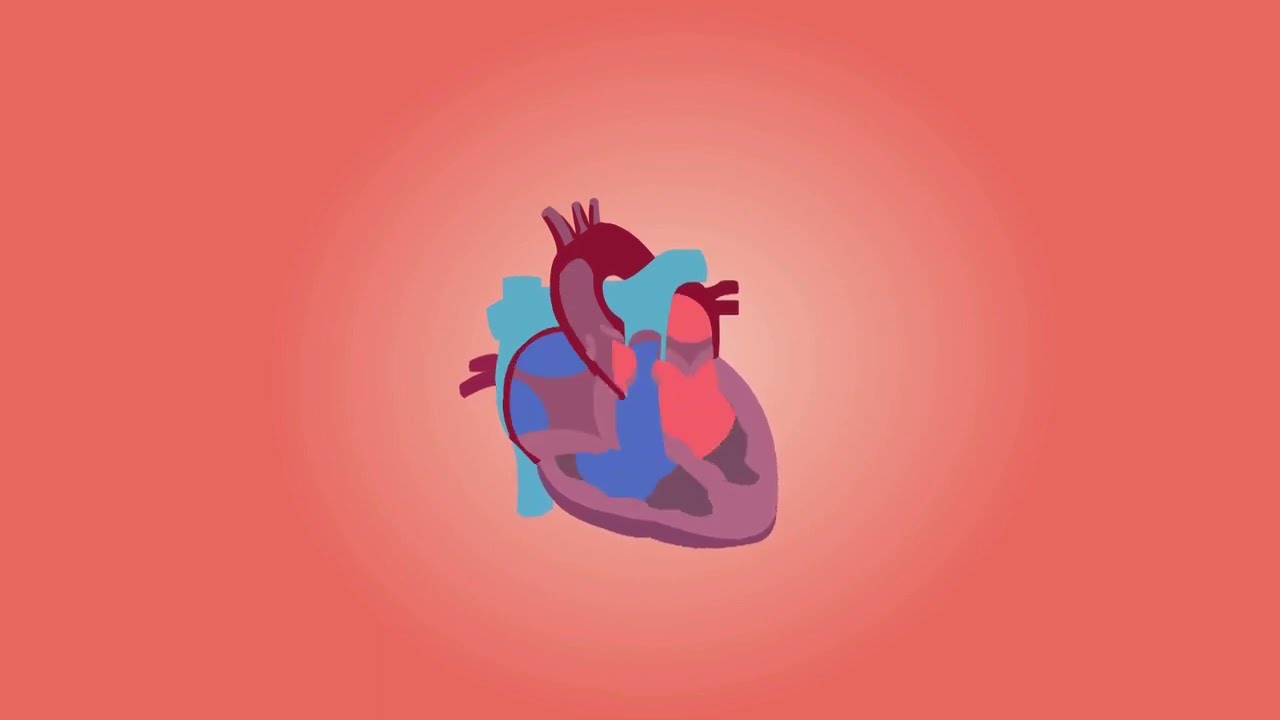
¿Cómo Funciona el Sistema Circulatorio y Linfático? Anatomía cuerpo Humano
Introduction to the Circulatory System
In this section, we will learn about the circulatory system and its functions.
The Circulatory System
- The circulatory system is responsible for transporting blood throughout the body.
- It is powered by the heart, which pumps blood to all parts of the body.
- The blood collects oxygen from the lungs and nutrients from the intestines to distribute them to cells.
- It also removes waste products and carbon dioxide from cells.
- The circulatory system regulates body temperature and carries hormones and defense mechanisms against diseases.
The Heart
- The heart is a muscular organ located in the chest between the lungs.
- It has a conical shape and consists of four chambers: two atria (upper chambers) and two ventricles (lower chambers).
- Valves connect the atria and ventricles, allowing blood flow in one direction.
- The main function of the heart is to pump blood to all parts of the body, delivering necessary substances like oxygen and glucose.
- Blood is pumped out of the heart through two major arteries: the aorta (carrying oxygenated blood) and pulmonary artery (carrying deoxygenated blood).
Blood Vessels
- Arteries, capillaries, and veins form a network of muscular elastic tubes that distribute blood throughout the body.
- Arteries carry oxygenated blood away from the heart, while veins carry deoxygenated blood back to it.
- Capillaries are thin-walled vessels where exchange of gases and substances between blood and tissues occurs.
Blood Composition
- Blood consists of solid components (red blood cells, white blood cells, platelets) suspended in plasma.
- Red blood cells transport oxygen from lungs to tissues.
- White blood cells protect against infections by increasing during an immune response.
- Platelets help in blood clotting.
- Plasma is a liquid component containing water, proteins, minerals, and other necessary substances.
Blood Circulation
- The circulatory system operates through two circuits: pulmonary and systemic circulation.
- Pulmonary circulation carries blood between the heart and lungs for oxygenation.
- Systemic circulation distributes oxygenated blood from the heart to all body tissues.
- The heart's rhythmic contractions (systole) and relaxations (diastole) drive blood flow through these circuits.
The Lymphatic System
- The lymphatic system complements the circulatory system by draining excess fluid and waste products from tissues.
- It also transports fats, proteins, and immune cells throughout the body.
- The lymphatic vessels carry this fluid called lymph back to the bloodstream.
Conclusion
In this section, we learned about the circulatory system, its components, functions, and how it works in coordination with the lymphatic system.
Timestamps are approximate.
The Lymphatic System
This section discusses the role of the lymphatic system in defending the body against microbes and removing waste fluids from tissues.
Function of the Lymphatic System
- The lymphatic system destroys microbes and defends the body through lymphocytes.
- Capillary vessels collect fluids from tissues that need to be eliminated.
- These fluids flow into veins after passing through lymph nodes.
- Lymph nodes are kidney-shaped organs found in various parts of the body, such as the neck, armpits, and groin.
Please note that this is a partial transcript.