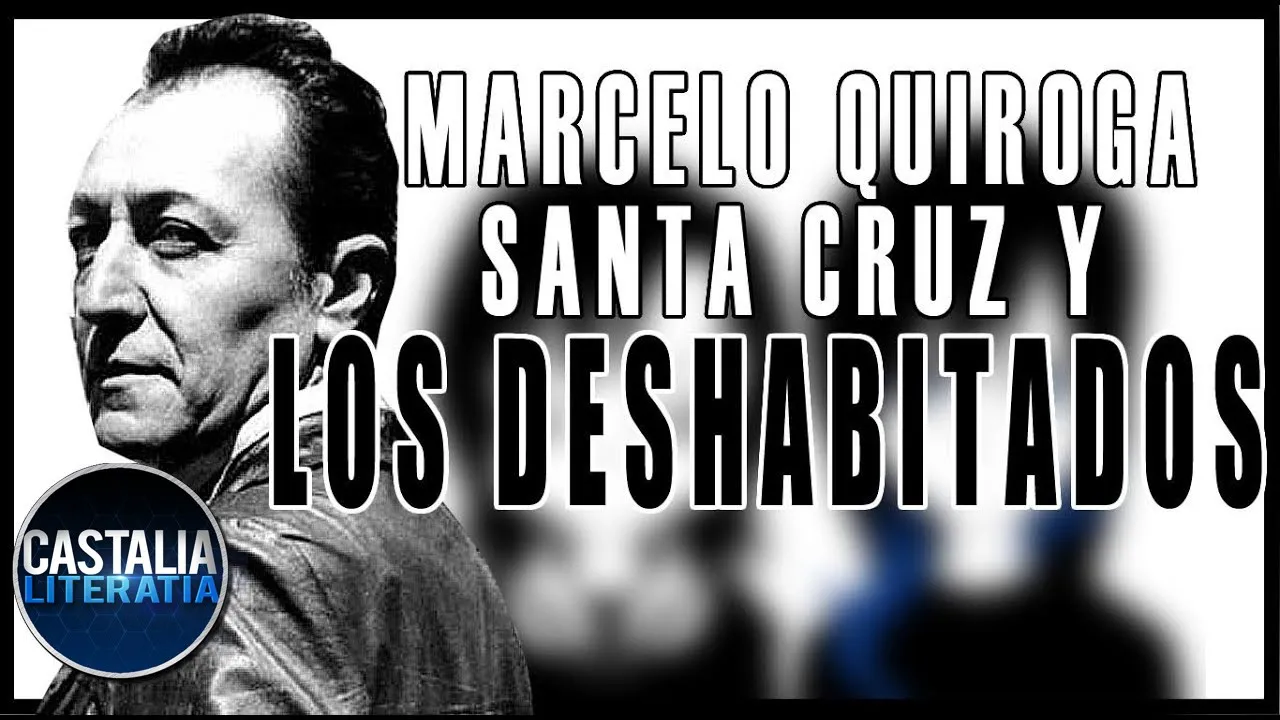
Marcelo Quiroga Santa Cruz y los Deshabitados
Marcelo Quiroga Santa Cruz: A Literary and Political Figure
This section delves into the life and works of Marcelo Quiroga Santa Cruz, a prominent figure in Bolivian literature and politics.
Early Life and Education
- Marcelo Quiroga Santa Cruz was born in Cochabamba in 1931, showing early fascination with art and reflection.
- He studied law in Chile before returning to Bolivia to complete his studies in philosophy and literature at the University of Saint Andrew.
Political Engagement
- Quiroga Santa Cruz founded publications like PROARTE and Guion, showcasing his interest in culture alongside politics.
- His critical stance against the government led to personal attacks, imprisonment, and eventually exile after the coup of Hugo Banzer Suarez.
Literary Contributions
- Alongside political engagement, Quiroga Santa Cruz's literary works were extensive, including articles and compilations like "The Looting of Bolivia Oleocracy or Homeland."
- His iconic work "The Disabled," published in 1959 during his exile in Chile, explores themes of loneliness and metaphysical anguish among characters.
Themes in "The Disabled"
- The novel portrays a common feeling of loneliness among characters, emphasizing isolation and existential questions.
- Through monologues and ambiguous situations, Quiroga Santa Cruz delves into human condition themes within the novel.
Emotions and Themes in "The Uninhabited"
The discussion delves into the emotional depth and thematic elements present in the novel "The Uninhabited," exploring how it differs from conventional techniques and its existentialist nature.
Emotions and Themes Explored
- The novel "The Uninhabited" is characterized by unconventional techniques, evoking feelings of loneliness, anguish, and death. It presents a unique theme with existentialist undertones, offering a deep introspection into the human psyche.
- Within the novel, an atmosphere devoid of environmental roots is depicted, where characters' psychologies are intertwined with condemnation. The author's melancholic approach gives rise to figures immersed in a poetic yet somber light.
Literary Influences and Comparisons
This segment discusses the literary influences on "The Uninhabited" and compares it to works by renowned authors like Marcel Proust, highlighting its association with French existentialism.
Literary Context and Comparisons
- "The Uninhabited" has been linked to French existentialism akin to Albert Camus or Sartre's works. While inspired by Marcel Proust's writing style, Quiroga crafted a distinct narrative that delves into universal themes through soulful vivisection.
- The novel encapsulates emptiness and solitude prevalent in post-war literature. It was selected as Bolivia's representative post-war novel over other contenders like "LA CHASKAÑAWI," sparking debates among scholars regarding its cultural significance.
Legacy of Marcelo Quiroga Santa Cruz
This part sheds light on Marcelo Quiroga Santa Cruz's life beyond his literary contributions, emphasizing his political involvement, imprisonment during a coup d'état, and subsequent martyrdom.
Legacy and Impact
- Quiroga transitioned from a novelist to a political figure leading Bolivia's socialist party. Despite facing imprisonment, torture, and eventual assassination during political turmoil in 1980, he became a symbol of resistance against oppressive regimes.