"Out of Africa" Theory Changed
The Nature of Out of Africa Migration
This section discusses the debate surrounding the nature of out of Africa migration and introduces the prehistoric site of Ubeidiya.
Ubeidiya Prehistoric Site
- Ubeidiya is one of the earliest prehistoric sites found outside of Africa, dating back to around 1.5 million years ago.
- The site was excavated in the early 60s and yielded rich stone tool assemblages used by early humans, as well as numerous animal bones including extinct species like sabretooth cats and mammoths.
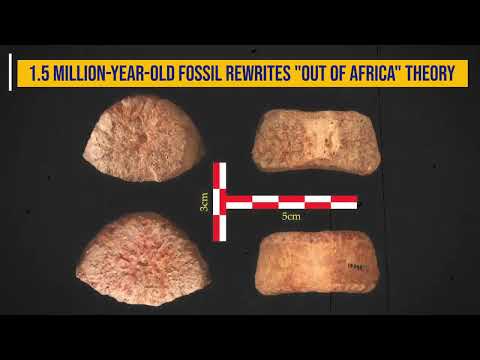
- In 2018, Miriam Bellmaker won a grant to study ancient climate and accurately date the site's animal bones. During her research, she discovered a vertebra with human-like features that belonged to a child.
Fossilized Early Human Bone
- The vertebra is estimated to belong to an individual who would have been around 1.8 meters tall and weighed about 19 kilograms had they reached adulthood.
- These numbers are similar to some large-bodied hominins found in Africa during the same time period but different from small-bodied hominins found in Georgia.
- This discovery suggests that there were two distinct human species present during this time period outside of Africa.
Multiple Out-of-Africa Migrations
- Current research indicates that early hominins migrated at least twice and in two distinct ways based on differences in size, shape, stone manufacturing techniques, stone tools themselves, climate, animals, and ecological habitat.
- Each migration wave brought new and different types of hominins with their own stone-making traditions, which may indicate differences in cognitive abilities and ecological preferences.