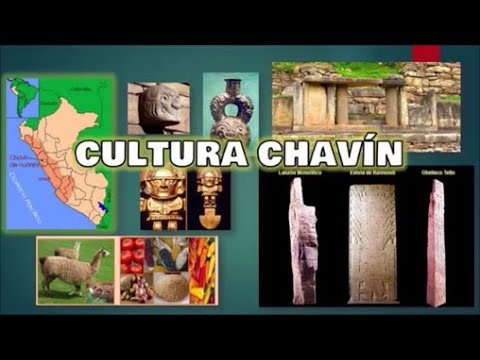
CULTURA CHAVIN / maestros en escultura
Chavín Culture: An Overview
Introduction to Chavín Culture
- The Chavín culture significantly influenced a large part of Peru, persisting long after its decline. It expanded from Lambayeque to Ica along the coast and from Cajamarca to Ayacucho in the mountains.
- Discovered by Peruvian archaeologist Julio César Tello in 1919, he is regarded as the father of Peruvian archaeology.
Historical Context
- The Chavín culture belongs to the Early Horizon period, flourishing between 1500 BC and 500 BC, with its main center at the Chavín temple of Huántar in Ancash.
- A priestly group held power due to their knowledge of agricultural cycles, acting as intermediaries between gods and people.
Economic Practices
- The economy was primarily agricultural, relying on barter for trade without coins. They exchanged products with neighboring towns.
- Techniques included building terraces and irrigation canals; they cultivated various crops such as potatoes, corn, quinoa, and peanuts.
Artistic Achievements
- Three artistic aspects were prominent: architecture, sculpture, and ceramics. Ceramics were typically monochrome using single colors like black or gray.
- Sculptures depicted mythological gods (e.g., jaguar, condor), showcasing skillful craftsmanship. Notable works include the stele of Raimondi representing god Wiracocha.
Architectural Features
- Most constructions utilized stone; an example is the Chavín castle shaped like a truncated pyramid—flattened at the top unlike Egyptian pyramids.
- Building materials varied by region: stone in mountainous areas for durability against weather; clay used on the coast.
Metallurgy and Textiles
- The Chavín were pioneers in metallurgy using native gold initially before working with copper and silver alloys for decorative objects.
- They excelled in textiles made from cotton and wool featuring simple embroidery or painted fabrics depicting religious figures.
Religious Beliefs and Decline
- The cult of their primary god (the god of staff/rods) spread widely across Peru but began to wane towards the end of this culture's prominence.