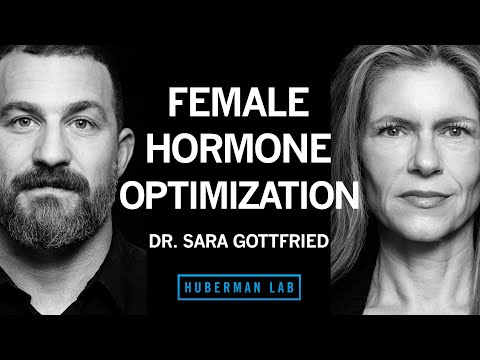
How to Optimize Female Hormone Health for Vitality & Longevity | Dr. Sara Gottfried
Welcome and Introduction
In this section, Dr. Andrew Huberman introduces the podcast and his guest, Dr. Sarah Gottfried, highlighting her background in bioengineering and obstetrics/gynecology.
Dr. Sarah Gottfried's Background
- Dr. Sarah Gottfried is an expert in traditional medicine related to hormones, fertility, nutrition, supplementation, and behavioral practices.
- She focuses on helping women manage hormone health from puberty to menopause and now extends her expertise to treating men for longevity and vitality as well.
Discussion on Hormone Health
Dr. Huberman and Dr. Gottfried delve into various aspects of hormone health including gut microbiome management, nutrition, exercise, and specific tests for understanding hormone status.
Gut Microbiome Management
- Women have specific needs in managing their gut microbiome which impacts estrogen levels, metabolism, testosterone, thyroid function, growth hormone levels, among others.
- Digestive issues are more prevalent in women than men but can be overcome with tools tailored for women leading to improved hormone balance.
Nutrition and Exercise
- Omega-3 fatty acids play a crucial role in female hormone health; understanding essential fatty acid needs is vital for optimal hormone balance.
- Specific ratios of resistance training to cardiovascular training are recommended for women to maximize hormone health through exercise routines.
Tests for Hormone Status
Dr. Gottfried discusses the importance of various tests including blood tests, urine tests, and microbiome tests for gaining insights into current hormone status as well as future hormonal trajectories.
Hormone Testing
- Different types of tests such as blood tests along with urine and microbiome tests provide a comprehensive view of women's hormone status aiding in effective management strategies across different life stages.
Books Recommendations
Dr. Huberman recommends two books authored by Dr. Gottfried focusing on nutrition, hormones, supplementation specifically tailored towards optimizing women's hormone health.
Book Recommendations
- "The Hormone Cure" offers valuable insights into female hormone health while also providing broader knowledge on endocrine system interactions with mindset nutrition and supplementation suitable for both genders.
Creative Work and Custom Nootropics
The discussion revolves around the benefits of custom nootropics for enhancing focus, energy, and cognitive performance tailored to individual needs.
Benefits of Custom Nootropics
- Custom nootropics from Thesis are designed to enhance focus, task switching, creativity, and energy levels.
- Thesis ensures inclusion of desired ingredients only in the custom nootropic formulas.
Importance of Electrolytes for Optimal Functioning
The conversation highlights the significance of electrolytes in maintaining proper cell function and overall bodily systems optimization.
Role of Electrolytes
- Element offers an electrolyte drink with essential sodium, magnesium, and potassium ratios without sugar.
- Proper electrolyte balance is crucial for optimal nerve cell function, neuron function, and overall bodily system efficiency.
Genetics and Female Hormones
Dr. Sarah Gottfried discusses the intersection between genetics and female hormones, emphasizing the importance of understanding family history for personalized health insights.
Genetics and Female Health
- Understanding intergenerational trauma's impact on the endocrine system is crucial.
- Genetic factors influence stages like puberty onset, pregnancy experiences, perimenopause timing, and specific female conditions prevalence.
Discussion on Female Health Concerns
Dr. Gottfried delves into common genetically influenced female health conditions like endometriosis, fibroids, polycystic ovarian syndrome (PCOS), highlighting the importance of early discussions regarding women's health across different age groups.
Addressing Female Health Concerns
- Certain female conditions such as endometriosis have a strong genetic component.
- Initiating discussions about ovarian reserve testing should start at various life stages to address potential health issues proactively.
Understanding Puberty and Hormonal Influences
In this section, the discussion revolves around puberty, hormonal influences, stress, and the development of various body systems during teenage years.
The Impact of Toxin Exposure on Puberty
- Puberty onset has shifted from 12-16 years to a younger age due to factors like toxin exposure.
- Stress plays a significant role in influencing puberty alongside adrenal gland development.
Comprehensive Body Control Systems
- The hypothalamic-pituitary-adrenal-gonadal axis is crucial for regulating various bodily functions.
- Emphasizes the importance of considering multiple organ systems in understanding hormonal control beyond just the hypothalamic-pituitary-adrenal axis.
Hormonal Changes in Teenage Years
- During teenage years, the hypothalamic-pituitary-adrenal-gonadal system may not be fully mature, leading to irregularities like skipped periods under stress.
- Biomarkers such as cortisol are more informative than sex hormones like estrogen and progesterone due to system immaturity.
Exploring Contraceptive Choices: IUDs and Oral Contraceptives
This segment delves into discussions surrounding intrauterine devices (IUDs), particularly copper IUDs, as well as opinions on oral contraceptives.
Benefits of Copper IUDs
- Advocates for copper IUD usage due to its non-hormonal nature and high effectiveness similar to tubal ligation.
- Describes how copper IUD acts as a barrier method against sperm mobility for ten years, offering autonomy over one's sexual health without associated risks of birth control pills.
Satisfaction Rates and Usage Trends
- Women using copper IUD report the highest satisfaction rates among contraceptive methods despite being underutilized.
- Expresses preference for IUD over other forms of contraception, especially for younger women, highlighting its efficacy and satisfaction rates.
Hormonal Monitoring Across Decades
This part focuses on monitoring hormone levels across different decades of life and touches upon personal anecdotes related to family longevity.
Hormone Monitoring in Your 20s
- Suggests hormone baseline testing with estrogen, progesterone, and testosterone in one's 20s for better understanding hormonal dynamics.
Personal Anecdote on Longevity Factors
Estrogen Dominance and Microbiome Impact
In this section, the discussion revolves around estrogen dominance, its impact on various health conditions, and the role of the microbiome in modulating estrogen levels.
Estrogen Dominance and Health Risks
- Estrogen dominance can lead to increased risks of fibroids, endometriosis, breast pain, and other conditions.
- The concept of "estrobolume" refers to a set of microbes in the gut microbiome that influence estrogen levels.
- Certain women with specific estrobolumes are at a higher risk for estrogen-mediated conditions like breast cancer and prostate cancer.
Microbiome Influence on Hormone Levels
This part delves into the importance of considering the microbiome's influence on hormone levels for personalized healthcare interventions.
Personalized Healthcare Interventions
- Adjusting faulty estrobolumes through microbiome-modulating nutrients can reduce risks associated with estrogen dominance.
- Comprehensive biomarker testing including estrogen, progesterone, testosterone, DHEA, and metabolites is crucial for understanding hormonal balance.
Role of Beta Glucuronidase in Estrogen Metabolism
The conversation shifts towards beta glucuronidase's role in estrogen metabolism and its implications for hormonal balance.
Beta Glucuronidase Impact
- Elevated beta glucuronidase levels due to certain gut bacteria can contribute to estrogen dominance-related issues.
- Detection of beta glucuronidase levels through stool samples aids in identifying individuals at risk of hormonal imbalances.
Optimal Timing for Hormone Testing
This segment focuses on determining the optimal timing for hormone testing based on menstrual cycle stages.
Timing Considerations
- Day 21 to 22 is recommended for hormone testing in women in their 20s before menstruation begins.
Micronutrient Testing and Teenage Health
In this section, the speaker discusses the importance of micronutrients, particularly magnesium, in hormonal balance and overall health. The focus is on how micronutrient testing can be beneficial for teenagers in understanding their nutritional gaps and making informed dietary choices.
Importance of Micronutrients for Teenagers
- : Magnesium plays a significant role in estrogen metabolism.
- : Micronutrient testing involving blood and urine analysis can reveal essential nutrients with clinical significance.
- : Highlighting the impact of vegetable intake on breast cancer risk reduction, emphasizing the importance of early dietary habits during teenage years.
Encouraging Healthy Eating Habits
- : Motivating teenagers to consume a variety of vegetables by showcasing evidence of micronutrient deficiencies.
- : Recommending strategies like incorporating vegetables into smoothies to improve microbiome health.
Dietary Changes and Microbiome Health
This segment delves into practical approaches to enhance dietary habits, focusing on smoothie consumption as a tool to support microbiome health and overall well-being.
Smoothies for Improved Nutrition
- : Advocating for regular consumption of vegetable-rich smoothies to positively impact microbiome diversity.
- : Suggesting methods to incorporate vegetables into smoothies creatively, such as using greens powders or steamed broccoli.
Transformative Effects of Dietary Choices
The discussion shifts towards a case study illustrating the transformative power of dietary changes on an individual's health outcomes, particularly concerning microbiome alterations and physiological improvements.
Case Study: Dietary Transformation
- : Emphasizing the profound impact of daily smoothie consumption containing 57 different fruits and vegetables on an individual's health transformation.
- : Detailing how consistent dietary changes led to remission of autoimmune disease, weight loss, and enhanced physical activity levels.
Sponsor Acknowledgment: Athletic Greens
Acknowledgment of a sponsor providing a comprehensive nutritional supplement aimed at supporting gut health through probiotics and essential nutrients.
Benefits of Athletic Greens Supplement
- : Endorsing Athletic Greens as a vital source of probiotics for gut health maintenance.
Probiotics and Gut Health
The discussion revolves around the use of probiotics, particularly in young individuals, to enhance the microbiome. The speaker shares personal insights on when to consider using capsule probiotics and highlights the importance of randomized trials in supporting their use.
Young Individuals and Probiotics
- The speaker discusses the complexity of recommending capsule probiotics for college or high school students, emphasizing the need for sufficient vegetable intake alongside supplementation.
- Randomized trials are crucial in determining the efficacy of probiotics. The speaker expresses skepticism due to limited compelling data supporting their use.
- Athletes, especially NBA players, often experience increased intestinal permeability due to high training loads. Specific probiotics may be beneficial for athletes with leaky gut.
Nutritional Testing and Microbiome Analysis
The conversation shifts towards nutritional deficiencies, testing methods for magnesium levels, and analyzing the gut microbiome through prebiotics rather than focusing solely on probiotics.
Nutritional Deficiencies and Testing
- Post-antibiotic periods are ideal for replacement dose probiotics. Emphasis is placed on prebiotics over probiotics for overall gut health improvement.
- Analyzing nutritional deficiencies involves running panels that assess antioxidants, key vitamins (especially B vitamins), glutathione levels for detoxification support, and essential minerals like magnesium.
Gut Microbiome Analysis Challenges
Challenges related to analyzing the gut microbiome are discussed, highlighting the lack of clear guidelines on what constitutes a healthy microbiome composition.
Understanding Gut Microbiome
- Despite recognizing dysbiosis as detrimental and diversity as beneficial in the microbiome, there is a lack of clarity regarding specific ratios or compositions deemed optimal.
Magnesium Deficiency and Women's Health
In this section, the discussion revolves around magnesium deficiency in Americans and its implications for nutrition. The conversation also touches on different forms of magnesium, testing methods, and the prevalence of constipation in women due to various health factors.
Magnesium Deficiency Implications
- Americans are deficient in magnesium, highlighting a common nutritional issue.
- Individuals deficient in magnesium should focus on consuming foods rich in magnesium or consider supplementation.
Forms of Magnesium and Testing Methods
- Various forms of magnesium exist, such as mag three and eight for sleep support.
- Genova neutrals and Spectracell are labs used for testing magnesium levels.
- Red blood cell magnesium levels need to be measured for accurate assessment.
Women's Health and Constipation
- Women tend to experience constipation due to multiple factors like stress, hormonal imbalances, and thyroid dysfunction.
- Female health hazards include higher rates of depression, insomnia, multiple sclerosis risk, and thyroid dysfunction.
Impact of Network Effect on Healthcare
This segment delves into the interconnectedness of organs within the body through the network effect. It explores how mainstream medicine operates within silos despite acknowledging this interconnectivity.
Network Effect in Healthcare
- Organs within the body are interconnected forming a network where each part influences others.
- Despite understanding the network effect conceptually, mainstream medicine often operates within silos when treating patients.
Patient Care Challenges
- Patients with symptoms across different specialties face challenges as they get referred to various specialists without collaboration.
Significance of Constipation as a Symptom
This part focuses on constipation as a symptom that may indicate underlying severe health issues requiring immediate intervention.
Importance of Addressing Constipation
- Constipation can signal severe health problems necessitating prompt intervention rather than being overlooked as a minor issue.
Constipation and Women's Health
In this section, the discussion revolves around constipation as a common issue in women, its significance in signaling broader health problems, and the importance of addressing it effectively.
Constipation as a Key Indicator
- Constipation is highlighted as more prevalent in women, indicating underlying health issues.
- The reluctance to openly discuss bowel health and related topics like constipation is acknowledged.
- Addressing constipation may lead to improvements in various health aspects beyond just bowel movements.
- Exploring constipation as an intervention target can trigger discussions on overall well-being and potential lifestyle changes.
Trauma, Gender Disparities, and Physiology
- Women tend to experience more trauma than men, impacting their stress levels and overall health.
- Gender disparities exist in trauma experiences and stress responses between men and women.
- Physiological aspects of females, such as the need for control and restraint, are linked to conditions like constipation.
Energetic Anatomy and Healthy Bowel Movements
- Discussion on energetic anatomy relating to sphincters and Eastern medicine concepts.
Bowel Movements and Constipation Insights
The discussion revolves around the timing of bowel movements, the definition of constipation, cultural differences in bowel movement frequency, and the relationship between stress and constipation.
Bowel Movement Timing
- Morning time is commonly associated with healthy bowel movements.
- Autonomic arousal increases early in the day after a good night's sleep, making bowel movements more likely.
- Balancing autonomic features influences the likelihood of bowel movements throughout the day.
Definition of Constipation
- Traditional medical definitions of constipation may not align with individual experiences.
- Personal definitions of constipation can vary based on cultural backgrounds and daily habits.
Stress and Constipation
- The balance between the parasympathetic and sympathetic nervous systems affects bowel movements.
- Stress reduction is crucial for alleviating constipation; perceived stress plays a significant role.
Stress Reduction Techniques
Strategies for reducing stress to improve overall health outcomes, including tools for real-time stress management and long-term stress reduction.
Real-Time Stress Management
- Distinguishing between lowering stress levels versus lowering perceived stress.
- Personalized approaches to managing stress based on individual experiences and preferences.
Long-Term Stress Reduction
- Exploring various stress reduction techniques such as Transcendental Meditation and yoga.
Meditation Techniques and Effects
The discussion delves into different meditation techniques employed in a study, their impact on mood, heart rate, and sleep quality, as well as the ease of implementation for behavior change.
Meditation Techniques Comparison
- Participants engaged in various meditation techniques daily:
- Group 1: Standard meditations with no specific instructions on breathing.
- Group 2: Box breathing involving inhale, hold, exhale, and hold for equal durations based on carbon dioxide tolerance.
- Group 3: Cyclic sighs with double inhales through the nose followed by empty exhales.
- Group 4: Cyclic hyperventilation resembling Tumo or Wim Hof breathing with active inhales and exhales every cycle.
Impact of Meditation Techniques
- Results showed that cyclic sighs led to the most significant improvements in mood throughout the day, reduced resting heart rate, and enhanced sleep quality.
- The study's findings were considered valuable for behavior change due to the simplicity of implementing these minimal intervention techniques.
Alcohol Consumption and Health Metrics
The conversation shifts towards alcohol consumption's effects on health metrics like heart rate variability (HRV), sleep patterns disruption, cortisol levels, and potential considerations for future studies.
Alcohol Influence on HRV
- Participants were not advised to alter their behaviors except for engaging in meditation practices.
- Alcohol intake during the pandemic increased significantly across populations.
- Alcohol consumption disrupts nighttime sleep patterns affecting crucial growth hormone release during sleep phases.
Future Study Considerations
- Upcoming studies plan to include free cortisol measurements through saliva hormone panels alongside monitoring bathroom frequency as potential health indicators.
- Exploring additional markers present in urine could offer valuable insights into health conditions beyond traditional blood markers.
Stress Relief Strategies Beyond Meditation
The dialogue expands to stress relief strategies beyond meditation, emphasizing diverse approaches such as sex, connection, feeling loved and heard while acknowledging societal factors like patriarchy influencing stress levels.
Diverse Stress Relief Methods
- Stress relief methods extend beyond meditation to include sex, connection, feeling loved and heard among others.
Understanding Patriarchy and Systemic Stress
In this section, the speaker discusses their experience with understanding patriarchy, highlighting the influence of their postdoc advisor who was a transgender individual advocating for women's rights.
Experience at MIT and Understanding Patriarchy
- The speaker first encountered the concept of patriarchy during their bioengineering undergraduate studies at MIT.
- Their postdoc advisor, Ben Barris, a transgender individual, was a strong advocate for women's rights despite transitioning from female to male.
- Ben Barris shared experiences of intense suppression and oppression while identified as female at MIT, shedding light on systemic issues.
Impact of Environment on Systemic Stress
This part delves into systemic stress within environments like educational institutions such as MIT, discussing how power dynamics and privilege contribute to stress disparities among individuals.
Systemic Stress and Power Dynamics
- The speaker connects systemic stress to concepts like White Privilege and racism prevalent in institutions like MIT.
- They highlight how systems favoring strength often disadvantage marginalized groups like bipoc individuals and women due to patriarchal structures.
Importance of Health Monitoring Across Ages
Here, the discussion shifts towards the significance of health monitoring across different age groups, emphasizing the need for individuals to be aware of various health indicators throughout their lives.
Health Monitoring by Age Group
- The importance of monitoring health indicators such as hormones, cortisol levels, microbiome diversity, and bowel movements is emphasized across all age groups.
Understanding Testosterone Decline and PCOS
In this section, the conversation delves into topics related to testosterone decline in individuals, particularly women, starting from their 20s. Additionally, the discussion transitions to Polycystic Ovary Syndrome (PCOS), its diagnostic criteria, manifestations, and implications.
Testosterone Decline and Impact
- Testosterone levels can start declining in one's 20s based on stress levels.
- The ideal testosterone level for women post-25 is typically within the top half of the normal range.
- For PCOS patients, testosterone levels can be significantly higher (100 to 200), leading to visible manifestations like hirsutism and skin issues.
Understanding PCOS
- PCOS involves excessive androgens, ovarian cysts, irregular menstrual cycles, and other symptoms like darkened skin.
- Diagnosis of PCOS involves criteria such as hyperandrogenism manifestations, irregular periods (every 35 days or less), and ovarian abnormalities.
Challenges in Diagnosing and Managing PCOS
This segment explores the complexities surrounding the diagnosis of PCOS due to its syndromic nature. It also touches upon the importance of considering long-term health risks associated with PCOS beyond reproductive age.
Diagnostic Challenges of PCOS
- PCOS is a syndrome with varying diagnostic criteria including ovarian abnormalities, hyperandrogenism symptoms, and irregular periods.
- Different diagnostic systems exist for identifying PCOS which can lead to confusion among healthcare providers.
Long-Term Health Implications
- While often viewed as a reproductive issue in younger years, PCOS poses significant cardiometabolic risks as women age.
- Elevated testosterone levels in women with PCOS are linked to increased cardio metabolic disease risk over time.
Treatment Approaches for Women with PCOS
This part discusses conventional medical approaches towards treating women with PCOS focusing on fertility concerns. It also highlights gender disparities in research funding within healthcare.
Conventional Treatment Paradigm
- Conventional medicine primarily addresses fertility concerns in women with PCOS through birth control pills or ovulation-inducing medications like Clomid.
Gender Disparities in Healthcare Research
- There exists a gender gap in research funding for women's health compared to mental health research.
Sex as a Biological Variable
In this section, the discussion revolves around the concept of sex as a biological variable and its implications on health outcomes, particularly in female populations.
The Role of Francis Collins and Bernadine Healy
- Sex is discussed as a biological variable, thanks to Francis Collins for emphasizing its importance.
- Bernadine Healy's contribution to Women's Health Initiative is highlighted, despite the challenges faced with confusing data.
Psychosocial Stress and Health Outcomes
- Psychosocial stress at various levels influences health outcomes in females.
- Hypothesis proposed linking elevated androgens in PCOS to psychosocial conditions affecting female behavior for survival.
PCOS: A Response to Patriarchy?
This segment delves into the potential link between polycystic ovary syndrome (PCOS), patriarchy, and hormonal imbalances in females.
PCOS and Patriarchy Hypothesis
- Discussion on whether PCOS could be a response to patriarchal societal structures.
- Proposal for a study investigating the impact of stress on hormone production in females with PCOS.
Insulin Sensitivity in PCOS
- Exploring the role of insulin and glucose in driving testosterone production in certain phenotypes of PCOS.
Supplements and Behavioral Regimens
The speaker discusses the importance of basic blood work and continuous glucose monitoring in understanding one's health.
Importance of Basic Blood Work
- The speaker emphasizes the significance of getting basic blood work done to have a reference point for health.
- Reflecting on personal experience, the speaker wishes they had known their insulin levels at a younger age for better health insights.
Continuous Glucose Monitoring (CGM)
- CGMs are highlighted as a powerful tool that significantly impacts behavior by providing real-time data on blood glucose levels.
- Personal experiences with CGMs reveal insights into how various behaviors affect blood glucose levels, making it a fascinating learning tool.
Effectiveness of Continuous Glucose Monitors
The discussion delves into why continuous glucose monitors are highly effective in changing behavior and improving health outcomes.
Enchantment of Learning About Own Chemistry
- CGMs enchant users by offering insights into their own chemistry and biology, leading to behavior changes based on real-time data.
- Physicians play a role as "marketers" in promoting tools like CGMs to patients, emphasizing their transformative impact on health behaviors.
Real-Time Data Impact
- Real-time data from CGMs provides immediate feedback on lifestyle choices' effects on glucose levels, unlike traditional intermittent testing methods.
- Understanding mediators of glucose control through continuous data aids in comprehending individual responses to various stimuli over time.
Democratization of Health Data
The conversation shifts towards democratizing health data and empowering individuals with access to their biological information for improved healthcare outcomes.
Empowerment Through Data Access
- Democratization of health data allows patients to engage actively in managing their well-being by understanding their own chemistry and biology.
Sleep, Exercise, and Health
In this section, the speaker discusses the importance of sleep, exercise, and their impact on health. They delve into personal experiences and insights related to these factors.
Prioritizing Sleep
- Lack of sleep can lead to extreme working hours (120 hours a week), causing sleep deprivation and health issues.
Factors Affecting Health
- Various factors can impact health negatively:
- Not enough sleep
- Excessive alcohol consumption
- High perceived stress
- Poor dietary choices
- Toxic relationships and isolation
- Inadequate physical activity or improper exercise routines.
Importance of Exercise
- Cardiovascular exercise is crucial for heart health and circulation.
- Resistance training plays a significant role in improving biomarkers and overall health.
- Personal experience highlights the effectiveness of combining cardio and resistance training for optimal results.
Exercise Regimen Impact on Hormones
This section focuses on how different exercise regimens can affect hormone levels, particularly cortisol, insulin, and other key hormones.
Hormone Imbalance Consequences
- Hormone imbalances due to excessive cardio exercise led to symptoms like fatigue, belly fat accumulation, low libido.
- Traditional medical approach offered birth control pills and antidepressants without addressing root causes.
Personal Experience with Hormone Panels
- Running hormone panels revealed elevated cortisol levels (three times normal) alongside abnormal insulin levels.
- Adjusting exercise routine from intense cardio to adaptive exercises like Pilates and yoga helped lower cortisol levels.
Supplement Considerations for Cortisol Regulation
- Supplements like ashwagandha and rhodiola rosea are effective in lowering cortisol levels.
- Proper timing of supplement intake is crucial to align with cortisol peaks during specific activities like resistance training.
Setting the Stage for Adaptive Response
In this segment, the speaker discusses their personal experience with implementing an adaptive response strategy to enhance cognition in the latter part of the day.
Implementing an NF1 Experiment
- The speaker shares their experience of starting an adaptive response later in the day, leading to improved cognition during the second half of the day.
End of One Experiment
- Emphasizes the concept of an "end of one experiment" as a high-quality form of evidence where individuals serve as their own control.
Rhodiola and Cortisol Reduction
- Discusses using rhodiola in an end-of-one experiment context to assess its impact on cortisol levels and cognitive function.
Exploring Adaptogens and Cortisol Management
This section delves into various adaptogens and supplements that can aid in cortisol reduction and management.
Effective Supplements for Cortisol Reduction
- Mentions phosphatidylserine (PS), fish oil, and ashwagandha as effective options for reducing cortisol levels.
Ashwagandha's Adaptogenic Properties
- Highlights ashwagandha's status as a double adaptogen, potentially beneficial for individuals with high or low cortisol phenotypes.
Optimizing Cortisol Levels with Supplements
Focuses on specific supplements like cortisol manager, phosphatidylserine (PS), and optimal dosages for managing cortisol levels effectively.
Cortisol Manager Supplement
- Introduces a supplement called "cortisol manager" by Integrative Therapeutics, combining phosphatidylserine and ashwagandha to address high nighttime cortisol levels effectively.
Dosage Recommendations
- Recommends a typical dose range of 400 to 800 milligrams for phosphatidylserine (PS) based on effectiveness observed in randomized trials.
Understanding Adrenal Function and Cortisol Production
In this section, the discussion revolves around adrenal function, cortisol production, and the prevalence of certain gene mutations affecting cortisol levels.
Congenital Adrenal Hyperplasia and Cortisol Imbalance
- Congenital adrenal hyperplasia may result from mutations in adrenal-related genes, leading to excessive or insufficient cortisol production.
- Mainstream medicine often views adrenal function as binary (Addison's disease for low cortisol or Cushing's for high cortisol), but there are individuals with intermediate cortisol levels.
- Some individuals have a genetic predisposition to produce excess cortisol without fitting into the traditional Addison's or Cushing's categories.
Impact of Cortisol Levels on Performance
- Certain groups with gene mutations related to congenital adrenal hyperplasia can endure prolonged periods without sleep due to heightened cortisol production.
- The ability to handle stress and push oneself excessively may seem advantageous initially but could lead to long-term health issues due to elevated cortisol levels.
Role of Omega-3 Fatty Acids in Health
This part delves into the significance of Omega-3 fatty acids, their sources, dosage recommendations, and their impact on inflammation resolution.
Importance of Omega-3 Fatty Acids
- Omega-3 fatty acids play a crucial role in health, with varying individual requirements for optimal intake.
- Personalized dosages based on individual needs can be determined through testing like Omega Quant or Cleveland Heart Lab panels.
Resolving Inflammation with Omega-3 Fatty Acids
Inflammation, Supplements, and Health Recommendations
In this section, the discussion revolves around inflammation, the use of supplements like specialized pro-resolving mediators and fish oil for athletes dealing with aches and pains, as well as personalized health recommendations including the intake of Omega-3s.
Inflammation and Supplements
- Taking ibuprofen for inflammation can reduce inflammation amplitude by 50%, but it may hinder complete resolution.
- Specialized pro-resolving mediators along with fish oil are recommended for athletes experiencing normal aches due to training load.
- Personalized health approach includes combining aspirin (81mg), fish oil, and specialized pro-resolving mediators based on individual needs.
Personalized Health Recommendations
- The intake of Omega-3s should be personalized based on age and needs; suggesting a mix of food sources like salmon and occasional fish oil supplementation.
- Encouraging healthy habits such as reducing alcohol consumption, avoiding smoking or vaping, managing stress levels through magnesium intake, and consuming vegetables.
Vitamins and Birth Control Considerations
This segment delves into the importance of vitamins like fish oil, magnesium, vitamin D in daily health routines. Additionally, it explores concerns related to long-term oral contraceptive use.
Vitamin Intake Recommendations
- Prioritize daily intake: Fish oil (1000mg), magnesium supplementation for deficiencies followed by vitamin D based on financial constraints or testing availability.
- Vitamin D dosage varies from 1000 to 2000 IU per day depending on individual needs; aim for serum levels between 50 to 90.
Oral Contraceptives Discussion
- Delving into concerns regarding long-term oral contraceptive use focusing on estrogen pills' impact on reproductive health over time.
Ovarian Cancer Risk Factors and Prevention
In this section, the discussion revolves around the risk factors associated with ovarian cancer, early symptoms to recognize without a blood test, preventive measures such as suppressing ovulation, and the role of oral contraceptives in reducing the risk of ovarian cancer.
Ovarian Cancer Risk Factors
- Symptoms of ovarian cancer are often vague and nonspecific, with bloating being a common indicator. Regular gynecologic exams are recommended for high-risk women to detect any concerning masses early.
- The effectiveness of diagnosing ovarian cancer early is limited due to the lack of specific symptoms. Bloating and other symptoms can vary based on tumor size and location.
Preventive Measures
- Suppressing ovulation by using hormone-based contraception like oral contraceptives is suggested as a rational approach to reduce the risk of ovarian cancer. Mainstream medicine often recommends oral contraceptives for various reasons beyond contraception.
- Concerns regarding hormone-based contraception include potential risks associated with progestins present in these medications. The nuva ring, a form of hormone-based contraception, raises questions about its impact compared to oral contraceptives.
Risks Associated with Contraceptive Use
- Oral contraceptives can deplete certain micronutrients like magnesium and affect the microbiome, potentially leading to inflammatory bowel disease or autoimmune conditions. They also impact inflammatory tone and cortisol production in the body.
Testosterone and Women's Health
In this section, the discussion revolves around the significance of testosterone in women's health, particularly focusing on its impact on various aspects such as sex drive, muscle mass, confidence, and agency.
Testosterone Importance for Women
- Testosterone is crucial for women despite men producing significantly more.
- : It plays a vital role beyond sex drive and muscle mass, influencing confidence and agency.
- Sensitivity to testosterone levels varies among women.
- : Some experience issues like vaginal dryness and decreased sex drive when testosterone declines.
- : Decrease in testosterone can lead to clitoris shrinkage by up to 20%, affecting nerve innervation.
Impact of Birth Control Pills
- Concerns regarding prescribing birth control pills without informed consent.
- : Exploring alternative methods to manage painful periods rather than resorting to oral contraceptives.
- : Elevated sex hormone binding globulin post-birth control pill usage may not revert entirely upon discontinuation.
Assessing Ovarian Reserve
- Lack of routine assessment of follicle number and AMH levels in younger women.
- : Delayed assessment until late 30s or early 40s raises questions about proactive fertility management.
- Accessibility challenges related to assessing ovarian reserve.
- : Limited availability due to cost implications; primarily done for egg freezing or fertility issues.
Disparities in Hormone Testing
- Discrepancies in hormone testing based on pregnancy intentions.
Menopause and Hormone Replacement Therapy
In this section, the discussion revolves around menopause, hormone replacement therapy for women, the timing of initiating hormone therapy, types of hormones involved, and considerations for women in their 30s regarding menopause.
Menopause and Hormone Replacement Therapy
- Hormone replacement therapy can be beneficial if started early enough but may be detrimental if initiated after menopause.
- Hormones typically replaced include estrogen and progesterone. The administration methods vary from oral contraceptives to nuvarings.
- Women in their 30s should consider actions anticipating menopause due to hormonal changes. Understanding one's hormonal phenotype is crucial during this period.
- The Women's Health Initiative led to a significant decrease in hormone therapy usage, causing unnecessary suffering for many women with symptoms like insomnia and mood issues.
Difficulty of Sleeping and Cerebral Hypometabolism
The discussion delves into the relationship between difficulty sleeping and cerebral hypometabolism, linking it to a potential precursor to Alzheimer's disease.
Linking Sleep Difficulties to Cerebral Hypometabolism
- Lisa Moscone's research suggests that Alzheimer's is not solely an old age disease but also prevalent in middle age, emphasizing the importance of biomarkers in assessing risk.
- Neuronal deprivation of fuel sources due to cerebral hypometabolism can lead to decreased neuron function and potentially cell death, aligning with the progression towards Alzheimer's disease.
- Metabolism and metabolomics are highlighted as crucial factors comparable in significance to genetics when considering dementia risks, particularly relevant for women.
- Estrogen decline around age 40-43 is proposed as a key driver behind cerebral hypometabolism, manifesting as cognitive slowdown and memory lapses in women.
- Women approaching menopause face increased Alzheimer's risk due to estrogen decline; however, conventional medical approaches often overlook hormone therapy unless severe symptoms like hot flashes occur.
Hormone Therapy and Menopausal Symptoms
The conversation shifts towards hormone therapy for menopausal symptoms and challenges conventional medical approaches regarding its prescription criteria.
Hormone Therapy Considerations
- Hot flashes and night sweats are not merely nuisance symptoms but biomarkers indicating cardiometabolic issues, bone loss, and brain changes during perimenopause.
- Menopausal symptoms are driven by brain activity rather than ovarian function, emphasizing the need for personalized treatment beyond symptom management.
- Discussion on potential solutions involving estrogen or enhanced metabolic flexibility through dietary interventions like intermittent fasting or ketogenic diets for insulin sensitivity improvement.
- Advocacy for intermittent fasting or time-restricted feeding alongside ketogenic diets to enhance insulin sensitivity without prolonged dietary restrictions.
- Preference for short-term ketogenic diet experiments over long-term adherence due to limited data on extended effects; emphasis on monitoring biomarkers before and after dietary changes.
Stool Testing Recommendations
Insights into stool testing recommendations for assessing gut health status within a broader context of metabolic health considerations.
Stool Testing Guidance
Detailed Health Testing Procedures
In this section, the speaker discusses various health testing procedures, including tests for individuals who travel frequently or experience gut symptoms. Additionally, a test by Longevity powered by AI is highlighted for its data-driven approach.
Health Testing Procedures
- The speaker conducts three-day tests for frequent travelers or those at higher risk, particularly focusing on individuals with gut symptoms.
- Mention of a test by Longevity, designed by an individual with inflammatory bowel disease and a background in bioinformatics. This test involves wiping instead of stool digging for data collection.
- The Longevity test provides dense data but may lead to recommendations for specific supplements from Thorne, which might not align with everyone's preferred approach to health management.
Psychosocial Impact on Health
This part delves into the psychosocial impact on health, emphasizing the importance of considering psychological factors alongside physical health indicators.
Psychosocial Factors in Health
- Acknowledgment of the psychosocial impact on common health aspects like constipation and diet choices, highlighting the interconnectedness of psychology and biology in health discussions.
- Recognition of the significance of understanding how circumstances and psychology influence biology directly, offering a fresh perspective on traditional health conversations.
Future Discussions and Recommendations
Looking ahead to future discussions, potential topics include Men's Health, PCOS, menopause, contraception, trauma-stress relationships in biology-psychology dynamics, and the use of plant medicines for overall well-being.
Future Topics and Recommendations
- Discussion about potential future topics such as Men's Health issues like PCOS and menopause along with exploring trauma-stress relationships between biology and psychology.
Female Hormone Health, Vitality, and Longevity
In this section, Dr. Sarah Gottfried discusses the importance of understanding one's coronary artery calcium score from a young age and the significance of knowledge sharing for overall health and well-being.
Importance of Coronary Artery Calcium Score
- Understanding one's coronary artery calcium (CAC) score from a young age is crucial.
- : Trauma can elevate CAC levels in individuals who maintain a healthy diet.
- : Knowledge about CAC and how to manage it is essential for long-term health.
Sharing Knowledge for Health Benefits
- Some individuals naturally possess valuable knowledge that can benefit others.
- : Acknowledging and utilizing this inherent knowledge can be incredibly helpful for personal growth.
Conclusion and Recommendations
- Prioritizing health investments early on can offset future health detriments.
- : Investing in health measures like managing CAC levels is worthwhile despite associated costs.
Further Resources and Support
Dr. Sarah Gottfried provides information on accessing additional resources related to female hormone health, vitality, and longevity.
Accessing Additional Resources
- Dr. Gottfried offers various resources including social media channels and books on nutrition, supplementation, and hormone treatments.
- : Links to Dr. Gottfried's social media channels are available in the show notes.
- : Subscription options include YouTube channel, Spotify, Apple Podcast reviews, and engagement through comments.
Sponsorship Information
- Supporting the podcast through sponsorships is encouraged as a way to sustain valuable content creation.
- : Sponsors mentioned at the beginning of episodes play a vital role in supporting podcast initiatives.
Supplements Discussion
The discussion shifts towards the benefits of supplements for optimizing various aspects of health such as sleep quality, focus enhancement, and hormone regulation.
Importance of Supplements
- While not mandatory for everyone, supplements offer significant benefits across different areas including sleep quality and focus enhancement.
- : Many individuals experience substantial improvements in their well-being through supplement usage.
Partnership with Momentous Supplements
- The podcast has partnered with Momentous Supplements due to their high-quality single ingredient formulations that cater to diverse health needs.