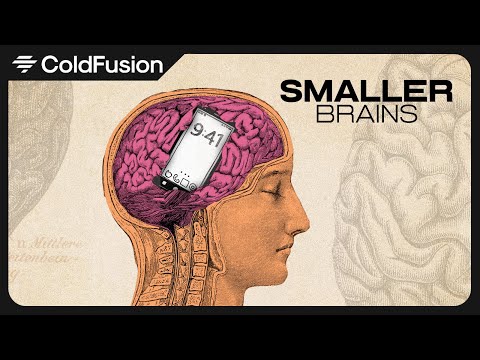
How Smartphones Shrink Our Brains
Introduction
The introduction discusses how various systems exploit human tendencies for feedback, particularly the release of dopamine in the brain, leading to potential detachment from reality due to excessive exposure to stimuli like those found in video games and social media.
Impact of Smartphones on Brain Function
- Smartphones leverage feedback loops that trigger dopamine release, affecting users' behavior and potentially causing detachment from reality.
- Research indicates smartphones can alter brain function, even when switched off in a room, impacting cognitive functioning.
- The episode explores how smartphones influence memory, stress levels, and cognitive function globally and offers insights into mitigating these effects.
Evolution of Smartphones
This section delves into the evolution of smartphones since the launch of the first iPhone in 2007, highlighting their transformative impact on communication and technology.
Evolutionary Journey of Smartphones
- The launch of the first iPhone in 2007 marked a significant milestone in merging mobile phones with iPod features and introducing a touch screen interface.
- Initially featuring only 16 apps without an app store, iPhones revolutionized communication by replacing buttons with touchscreens for enhanced web browsing efficiency.
- Over time, smartphones evolved rapidly with faster speeds, expanded features, improved software applications, algorithms designed to captivate users' attention through dopamine triggers.
Cognitive Effects of Smartphone Usage
This segment explores the cognitive impacts of smartphone usage on individuals' brains and personalities over time.
Cognitive Impacts Analysis
- Psychiatrist Gary Small warned about smartphones' potential to weaken brain circuits crucial for interpersonal interactions and non-verbal cues back in 2008.
- Studies suggest that excessive smartphone use may lead to altered brain functions related to memory retention, addiction behaviors, cognitive functions, and stress levels.
The Impact of Smartphone Use on Cognitive Function
The discussion delves into the effects of smartphone use on cognitive function, memory, addiction, and overall brain health.
Effects of Overreliance on GPS and Benefits of Memory Usage
- Overusing GPS may reduce gray matter density in the brain.
- Regular exercise can increase gray matter and memory.
- Encouragement to remember directions manually to boost memory instead of relying solely on smartphones.
Multitasking and Cognitive Health
- Multitasking is a myth for most individuals; it hinders deep thinking and complex thoughts.
- Continual partial attention, like checking phones mid-conversation, harms cognitive health.
- Multitasking creates a false sense of urgency, hindering information transfer to long-term memory.
Nomophobia and Addiction
- Nomophobia is the fear of being without one's phone; lack of access leads to anxiety spikes and reduced comprehension.
- Excessive smartphone use mimics addiction patterns, weakening brain networks controlling attention and impulse control.
The Influence of Smartphone Design on Behavior
This segment explores the impact of addictive design features in smartphones on user behavior.
Reflection on Smartphone Creation
- Tony Fidel expresses concerns about the unintended consequences of smartphone technology's influence on users' brains.
Addictive Design Features
- Social media apps incorporate casino-like features that exploit anticipation for rewards through mechanisms like pull-to-refresh.
Digital Wellbeing Measures
Smartphones and Human Behavior
The discussion delves into the impact of smartphones on human behavior, highlighting how they influence our decision-making processes, emotional responses, and overall well-being.
Participants' Unconscious Influence
- Participants claimed not to be consciously thinking about their devices, indicating an effect that occurs without awareness.
Biological Effects of Smartphone Use
- Smartphones not only alter behavior but also affect human biology, leading to serious health risks.
- Endocrinologist Robert Lustig warns about smartphone notifications turning individuals into Pavlov's dogs.
- Exposure to neurotransmitters triggers alterations in the prefrontal cortex, impacting decision-making and emotional control.
- This flood of neurotransmitters can lead to the prefrontal cortex malfunctioning and shutting down.
- When this happens, the amygdala takes over, inducing stress and panic due to a lack of emotional regulation by the prefrontal cortex.
- Information from social media contributes to stress through activities like Doom scrolling and self-diagnosing mental disorders on platforms like TikTok.
- Procrastination is highlighted as a coping mechanism for anxiety or dread.
- Popular TikTok videos discuss generic behaviors as potential mental disorders.
Impact of Social Media Use
- The issue lies more with social media use than smartphones themselves, as evidenced by a global study involving over 50,000 participants in 2023.
- Research suggests that around 30 minutes of daily social media usage can be beneficial but exceeding an hour may have detrimental effects.
- Excessive social media consumption can lead to negative outcomes such as increased stress levels.
Media Coverage Bias
This segment explores how different news outlets cover stories with varying biases and perspectives, emphasizing the importance of accessing diverse viewpoints for a comprehensive understanding.
Influence of News Consumption
- Smartphones significantly impact how people consume daily news content.
- OpenAI's GPT-4 release illustrates how media outlets present stories differently based on their biases and orientations.
- Business Insider focuses on Big Data concerns while right-leaning outlets emphasize Reddit users' political leanings and deal sizes.
Echo Chambers in News Feeds
- Tailored news feeds contribute to echo chambers where individuals are exposed only to information that aligns with their beliefs or biases.
- Algorithms create personalized news feeds that reinforce existing viewpoints rather than presenting diverse perspectives.
Ground News Platform
- Ground News offers a solution by providing readers with an objective way to access news content through its website and app.
- Developed by a former NASA engineer, it aims to combat misinformation by offering data-driven insights into political bias, factuality ratings, and source ownership for each story.
Impact of Ditching Smartphones
Examining testimonials from individuals who transitioned from heavy smartphone usage to using "dumb phones," shedding light on their experiences post-transition.
Testimonials on Transitioning Away from Smartphones
- Individuals who switched from smartphones describe positive experiences after adopting "dumb phones."
- Enhanced presence in personal interactions with family members due to reduced distractions from digital devices.
Benefits of Living Without Smartphones
- Living without smartphones led some individuals back to nostalgic times when technology was less pervasive.
Increased Focus and Creativity Post-Smartphone Transition
- Users reported heightened focus at work without smartphone distractions leading them towards creative hobbies during leisure time.
Smartphone Experiment Reflection
In this segment, the speaker reflects on their 30-day experiment of using a basic phone instead of a smartphone and shares their candid thoughts about the experience.
Reflections on the Smartphone Experiment
- The speaker expresses eagerness to conclude the 30-day experiment and return to using a smartphone due to various limitations encountered.
- Key drawbacks identified during the experiment include the absence of a camera, unreliable directions, and cumbersome typing features on the basic phone.
- Mention of a growing trend where more individuals are exploring "dumb phones" as an alternative to smartphones, leading to discussions around an "anti-smartphone Revolution."
- Acknowledgment that some listeners may be familiar with the discussed topics, emphasizing the importance of considering broader implications such as memory issues, concentration challenges, and increased anxiety linked to excessive smartphone usage.
- Proposals for practical solutions to mitigate negative effects of smartphone overuse including exercise, social media moderation, avoiding multitasking, opting for physical reading materials over digital screens for better comprehension, and limiting phone use for memory-related tasks.
Impact of Smartphone Usage
This part delves into the potential consequences of chronic smartphone use on memory, concentration levels, brain structure, and overall well-being.
Effects of Smartphone Overuse
- Discussion on how extensive smartphone usage could lead to adverse outcomes such as diminished memory capacity, reduced focus abilities, structural changes in brain matter like gray matter reduction, and heightened anxiety levels.
- Empowerment message highlighting actionable steps individuals can take to counteract negative impacts including exercising regularly, moderating social media consumption habits, avoiding multitasking behaviors that hinder productivity,
opting for physical reading materials over digital screens for enhanced comprehension,
and restricting phone use specifically for memory-related tasks.
- Invitation for audience engagement by prompting viewers to reflect on their own smartphone usage habits and share opinions regarding whether they believe they have control over their device dependency or if adjustments are necessary.
Closing Thoughts
The conclusion wraps up key points discussed in the video while encouraging viewer interaction and feedback.
Final Remarks