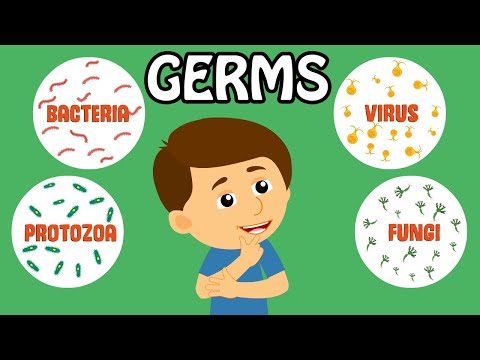
Germs for kids | What are Germs? | How do germs spread? | How do we see germs?
Understanding Germs and Their Impact on Health
Introduction to Germs
- Germs are microscopic living organisms that require a microscope to be seen. They can damage healthy cells by consuming energy and nutrients, potentially producing toxins that lead to common illnesses like colds and flu.
Types of Toxins and Their Effects
- Some toxins produced by germs can cause severe symptoms such as high fever, increased heart rate, low blood pressure, and even life-threatening conditions. Doctors analyze samples of blood, urine, and other fluids under a microscope to identify the specific germs causing illness.
Classification of Germs
Bacteria
- Bacteria are tiny single-celled organisms that derive nutrients from their environment. While some gut bacteria are beneficial for digestion, others can cause infections like ear infections or strep throat. Antibiotics are commonly used to treat bacterial infections.
Viruses
- Viruses are smaller than bacteria and cannot reproduce outside a host body. They cause various diseases including colds, flu, chickenpox, and measles. Notably, antibiotics do not work against viruses; however, vaccines can prevent many viral diseases.
Fungi
- Fungi consist of multi-celled plant-like organisms with two main types: environmental fungi (yeast and mold) which typically do not cause infection, and commensal fungi that live on the body without harming it. Mild fungal skin diseases may resemble rashes but are generally treatable with antifungal medications.
Protozoa
- Protozoa are microscopic single-celled organisms that thrive in moist environments. They often spread through contaminated water and some act as parasites requiring a host for survival (e.g., protozoa causing malaria).
Prevention of Germ Infections