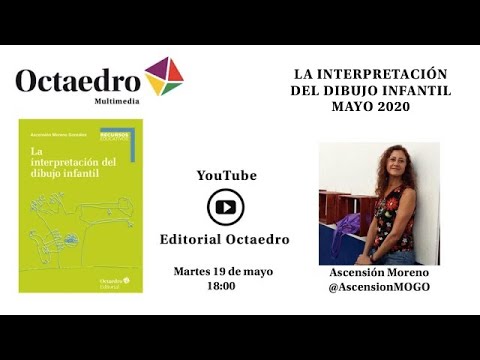
LA INTERPRETACIÓN DEL DIBUJO INFANTIL
Introduction to Artistic Interpretation of Childhood Drawings
Overview of the Episode
- The episode focuses on the significance of childhood drawings and what they reveal about children's inner worlds.
- The host introduces the theme as an artistic topic that is often overlooked in educational discussions.
Guest Introductions
- Two experts are invited: Karma Rocosa, a psychologist specializing in family therapy and child psychology, and Asunción Moreno, an author and educator with extensive experience in social services.
- Karma Rocosa has worked for many years with vulnerable families within municipal social services.
- Asunción Moreno holds degrees in pedagogy and fine arts, is a doctor from the University of Barcelona, and has authored two significant books on child drawing interpretation and artistic mediation.
Insights from Asunción Moreno's Work
Contributions to Understanding Child Drawings
- Moreno emphasizes the potential of interpreting children's drawings as a means to connect with their concerns that may not be verbally expressed.
- She describes her publication as both a guide for experienced practitioners and an introduction for newcomers to this field. It aims to help assess family dynamics through children's art.
Practical Applications
- The book serves as a manual that outlines procedures for interpreting drawings while cautioning against jumping to conclusions or making unverified diagnoses based on initial observations.
- It encourages practitioners to remain vigilant about their interpretations, ensuring they are grounded in evidence rather than assumptions or biases.
Asunción Moreno's Journey into Drawing Interpretation
Initial Skepticism Turned Interest
- Moreno recounts her initial skepticism regarding the interpretation of childhood drawings during her studies but became intrigued after learning about specific symbols like trees representing personal experiences or traumas.
Practical Experience with Youth
- While working as a social educator at a youth center, she applied these concepts by asking children living in protective care to draw trees, which led her to observe patterns related to their backgrounds and emotional states.
Understanding Children's Drawings and Development
The Significance of Drawing in Child Development
- The speaker discusses the concept of "luxuries" in drawing, emphasizing that optimal sizes for drawings are between 10 to 20 centimeters. They note that all drawings are located in the upper left quadrant, which piqued their interest.
- The speaker reflects on their initial skepticism about the importance of aesthetics in children's drawings but later began researching and collaborating with an interdisciplinary team to diagnose children as a pedagogue.
Challenges in Diagnosing Young Children
- Diagnosing young children (up to 10-12 years old) through interviews is complex; unlike adolescents who can articulate feelings, younger children express themselves primarily through drawings.
- The speaker highlights their passion for using drawing as a diagnostic tool throughout their professional practice, indicating its effectiveness over traditional questioning methods.
Evolution of Drawing Skills
- The development of graphic skills varies by age; children initially create scribbles before progressing to straight lines. Significant maturation occurs around ages two and a half to three when they can hold drawing tools properly.
- By age three, children should be able to close circles in their drawings, marking a developmental milestone that allows for more complex representations like human figures.
Interpreting Children's Drawings
- Until around age three, interpreting children's drawings is challenging due to the prevalence of scribbles. However, these scribbles still represent something meaningful to the child.
- Once children can draw closed shapes like circles, they begin representing people and family members more accurately. This ability develops further with geometric shapes such as squares and triangles appearing later.
Age Milestones for Drawing Skills
- By ages four and five, most children should be able to draw basic shapes like squares and triangles. Mastery of more complex shapes like rhombuses typically occurs between five and six years old.
- The speaker emphasizes that while there are general milestones for drawing skills at certain ages (e.g., closing circles by three), individual stimulation plays a crucial role in each child's development trajectory.
Guidelines for Drawing Assignments
- When analyzing children's drawings, specific prompts or assignments are essential. For instance, asking them to "draw a person" rather than specifying gender helps avoid biases based on identity.
- Common themes emerge from different types of drawings: personal figures often reflect self-image while trees symbolize growth or relationships. Houses represent familial connections similarly.
- Free drawing assignments allow children creative expression without constraints; however, careful wording is necessary when discussing family dynamics to ensure comfort among all participants.
Understanding Children's Drawings and Their Interpretations
The Order of Drawing Tasks
- The speaker emphasizes that literature does not specifically highlight the importance of a particular order in drawing tasks. They suggest starting with simpler subjects, like a tree, to ease children into the drawing process.
- It is proposed that the sequence for drawing should be: tree, house, family. This order allows children to express themselves more freely without feeling overwhelmed.
- The speaker mentions that free drawing can also be requested first if the child seems anxious or hesitant, allowing them to draw whatever they feel inclined to create.
Analyzing Drawings: Key Elements
- When interpreting drawings, it’s crucial to consider specific representations (e.g., trees, people) alongside other elements such as line quality and pressure used during drawing.
- Line characteristics provide insights into a child's emotional state; for instance, shaky lines may indicate insecurity while firm lines suggest confidence.
- Size matters in drawings; smaller sizes may reflect low self-esteem while larger sizes could indicate a desire for attention or recognition from others.
Contextual Interpretation of Drawings
- A large drawing might symbolize a child's need to be noticed or heard in their environment. The speaker shares an anecdote about how children often draw large when seeking attention from parents.
- Optimal drawing size is suggested to be between 10 and 20 centimeters; deviations from this range can signal different psychological states regarding self-worth.
Spatial Placement and Narrative Context
- The placement of drawings on paper is significant; different quadrants represent various interpretations. For example, drawings located in the upper left corner may have distinct meanings compared to those elsewhere on the page.
- Engaging with children about their drawings is essential. Asking them about characters and events depicted helps contextualize their work and fosters dialogue around their feelings and thoughts.
Vertical vs Horizontal Representations
- A distinction is made between vertical and horizontal representations in children's drawings. Vertical images are seen as straightforward depictions of reality while horizontal ones often contain narratives or stories behind them.
- Observations reveal that most trees drawn by children are vertical; however, when they opt for horizontal representations, it suggests deeper storytelling elements within their artwork.
Understanding Family Dynamics Through Art
The Significance of Horizontal Drawings
- The orientation of family drawings is often horizontal, reflecting the relationships and interactions among family members. This suggests that narratives in art tend to be presented horizontally, akin to storytelling.
- In contrast, vertical representations may symbolize static moments like photographs, while horizontal ones convey dynamic stories.
Analyzing Specific Examples
- A case study involving a child named Nuria will be analyzed through her drawings to understand deeper emotional contexts.
- The speaker selected specific drawings from a book for analysis, emphasizing their relevance in discussing emotional indicators present in children's artwork.
Observing Repeated Elements
- When analyzing drawings, it’s crucial to note recurring elements or indicators that may signify underlying emotions or experiences. These elements can appear across multiple artworks.
- In Nuria's drawings, a notable indicator is the inclination of figures which suggests instability and indicates she might be experiencing distressing situations.
Interpreting Symbolism in Drawings
- The repeated inclination across all three of Nuria's drawings signifies ongoing emotional turmoil rather than isolated incidents such as simple sadness over loss.
- This consistent theme points towards significant disturbances affecting her well-being.
Connections Between Elements
- There are symbolic connections between different elements within the drawings; for instance, shadows at similar heights in both the tree and human figure suggest shared themes of instability or trauma.
- The presence of knots or bulges on trees can represent traumatic events in a child's life.
Understanding Trauma Through Growth Indicators
- To assess how past traumas affect a child's development, one must consider the growth markers represented by tree trunks in relation to their age and experiences.
- For example, if a child is 12 years old and has a trunk length representing their life experiences (e.g., 10 cm), this can help identify when significant events occurred based on where knots appear along the trunk.
Visual Representation of Threatening Experiences
- A large hole depicted in an illustrative tree symbolizes potential threats faced by children during formative years.
- Such imagery reflects serious emotional impacts that could have been perceived as aggressive or threatening during critical developmental stages.
By examining these artistic expressions closely, we gain insights into children's psychological states and familial dynamics through visual storytelling.
Understanding Children's Drawings and Emotional Indicators
The Importance of Allowing Drawings to Speak
- Emphasizes the need to take time when interpreting children's drawings, allowing them to convey their messages without rushing.
- Discusses how certain drawings can evoke feelings of overwhelm, indicating emotional states rather than just artistic skill.
Analyzing Elements in Drawings
- Highlights the significance of analyzing lines in drawings—continuous versus discontinuous lines can reflect emotional fragility or strength.
- Suggests that having multiple drawings allows for a more comprehensive assessment of potential risks, such as abuse or neglect.
Identifying Risk Indicators
- Notes that the most concerning aspects often emerge from children's drawings, serving as projective tools revealing deeper issues.
- Points out that indicators of imbalance in human figures within drawings can signify emotional distress or instability.
Caution Against Quick Interpretations
- Warns against making hasty interpretations based on single indicators; emphasizes the importance of corroborating findings across multiple drawings.
- Stresses that non-experts should refer children showing signs of psychological imbalance to mental health professionals for further evaluation.
Closing Thoughts and Acknowledgments
- Concludes with an invitation for participants to engage with interpretation methods and acknowledges contributions from colleagues during the discussion.
- Expresses gratitude towards attendees and highlights the complexity behind interpreting children's emotions through their artwork.