Sino ka nga ba Dr. Jose Rizal?
The Legacy of Jose Rizal
The Symbolism of Fire and Curiosity
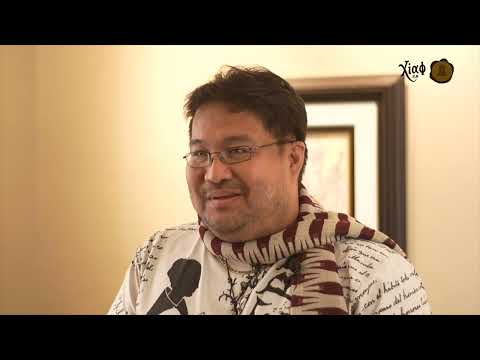
- The speaker introduces the concept of Jose Rizal's dreams for a free Philippines, emphasizing the importance of education and freedom to believe and communicate.
- A story from Rizal's childhood is shared, highlighting a lesson about curiosity through the tale of "Munting gamo-gamo," which warns against approaching fire.
- The narrative illustrates how curiosity can lead to danger, paralleling Rizal’s own journey towards enlightenment despite warnings.
The Cost of Knowledge
- The speaker reflects on the consequences faced by those who seek knowledge in oppressive times, likening Rizal to the moth drawn to flame.
- It is noted that being educated during colonial rule was perilous; Rizal sacrificed himself so future generations could pursue knowledge freely.
Cultural Significance and Historical Context
- The setting transitions to a significant cultural site related to Rizal's execution, underscoring its historical importance as a national treasure.
- Discussion shifts to misinformation surrounding Rizal’s legacy, particularly regarding his stance on revolution and his desire for peaceful reform rather than bloodshed.
Revolution and Misunderstanding
- The speaker addresses how Rizal inadvertently ignited revolutionary sentiments among Filipinos while advocating against violence.
- Clarification is provided regarding misconceptions about Rizal’s involvement with revolutionary groups like Katipunan; he was not their founder but played an influential role in inspiring them.
Final Days and Last Messages
- Details are shared about Rizal's trial and sentencing; he defended himself but was ultimately sentenced to death on December 29.
- Emotional moments are recounted as family members visited him before his execution, showcasing the personal impact of his sacrifice.
Farewell Letters and Legacy
- In his final letters, including "Mi Ultimo Dios," he expressed profound love for his country and family while envisioning a place free from oppression.
- His writings were broadcasted on significant occasions like Peru's Independence Day, illustrating their global relevance.
This structured summary captures key insights from the transcript while providing timestamps for easy reference.
The Legacy of Jose Rizal and His Final Moments
The Revolution and Rizal's Role
- Jose Rizal is depicted as joining the revolution alongside his siblings and Josephine Bracken, carrying his last poem which was given to Andres Bonifacio. This poem was translated into Tagalog and disseminated during the revolution.
- Upon being taken by priests Yu and his lawyer from Port Santiago, Rizal chose to walk dramatically towards his execution site instead of taking a carriage, emphasizing the gravity of the moment.
Reflections on Life and Death
- As he approached the execution site, Rizal reminisced about happy memories at the beach with his beloved Leonor Rivera, highlighting personal connections amidst impending death.
- The crowd gathered in excitement to see Rizal; however, there were tensions as they wanted to confront their oppressors. Guards had to restrain them due to safety concerns.
The Execution Scene
- In a poignant moment, Rizal requested not to be shot in the back as it would symbolize betrayal. He wished for a dignified death facing his captors.
- Despite initial resistance from the captain regarding how he should be executed, Rizal insisted on being shot near his heart rather than turning away in fear or shame.
A Dignified Death
- Rizal’s final moments were marked by courage; he expressed that dying for loved ones and one's country is noble. He aimed to demonstrate bravery even in death.
- As he faced a firing squad composed of both Filipino and Spanish soldiers, he fell gracefully after being shot, symbolizing dignity in sacrifice for freedom.
Impact on Philippine Independence
- Following his execution, there was an assertion that Spain's empire would soon collapse within two years in Southeast Asia. This foreshadowed significant changes leading up to Philippine independence proclaimed on June 12, 1898.
- The legacy left by Rizal emphasizes that true monuments are not just physical structures but also embodied by Filipinos who strive for goodness and humanity towards one another.
Call to Remember Heroes
- In closing remarks reminiscent of themes from "Noli Me Tangere," there's an appeal for future generations not to forget those who sacrificed their lives for freedom while urging them to honor these sacrifices through their actions today.
- The speaker highlights that every Filipino can serve as a living monument honoring Jose Rizal by embodying values of compassion and service toward others.