clase 07/05
Environmental Factors and Food Allergies
Overview of Food Allergies and Intolerances
- The rise in food allergies and celiac disease is linked to environmental factors, with Argentina showing a high prevalence of these conditions.
- Gastronomes must be aware of allergenic foods due to the lack of legislation on food allergies in Argentina, except for packaged foods.
- In contrast, Europe and the U.S. have strict regulations requiring gluten-free menus for those with celiac disease, emphasizing the need to avoid cross-contamination.
Understanding Allergens
- Most individuals are allergic to one specific component rather than multiple allergens; common allergens are prevalent in everyday foods.
- Practical exercises help students understand food allergies, intolerances (like lactose intolerance), and physical injuries caused by contaminated food.
Physical Injuries from Food
Types of Physical Injuries
- Physical injuries can occur from consuming contaminated food that contains sharp or hard objects leading to dental fractures or choking hazards.
Foodborne Illnesses: Intoxications vs. Infections
Distinction Between Intoxication and Infection
- Media often mislabels foodborne illnesses as "intoxications," which typically involve chemical toxins or microbial toxins rather than infections caused by pathogens like trichinella.
- Common intoxications include staphylococcal poisoning and botulism; understanding the source of toxins is crucial for prevention.
Mechanisms of Pathogen Action
- For bacterial intoxications, toxins must be present in the food before consumption; our bodies do not produce these toxins but ingest them directly.
Infections and Toxin Infections
Understanding Infections
- An infection occurs when pathogenic microorganisms multiply within the body after being ingested through contaminated food.
- Severe cases may lead to sepsis if the immune system cannot control the infection's spread.
Toxin Infections Explained
- Toxin infections occur when bacteria release toxins inside the body after surviving initial defenses; this highlights differences between simple infections and toxin-related illnesses.
Prevention Strategies for Gastronomes
Key Prevention Methods
- Eliminating pathogens can be achieved through cooking (pasteurization), while disinfecting raw vegetables helps prevent contamination without cooking.
Challenges with Toxins
- Bacterial toxins are more resistant to heat compared to live bacteria, making it harder to eliminate them once they contaminate food products.
Understanding Our Immune Defenses
Role of Immune System in Digestion
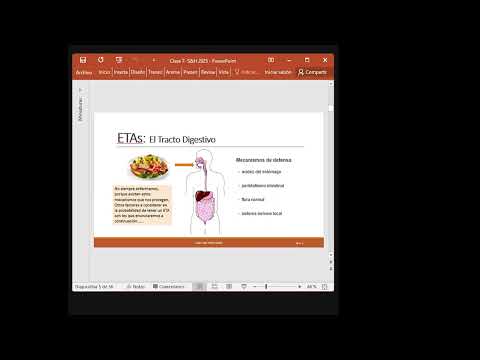
- The human body has various defense mechanisms against pathogens starting from saliva containing immunoglobulins that trap harmful agents upon ingestion.
Digestive Defense Mechanisms
- Stomach acid (pH 1.5), produced during digestion, serves as a barrier against many bacteria but may not affect lipid-coated pathogens effectively.
Importance of Gut Health
- Peristalsis acts as a defense mechanism by inducing vomiting or diarrhea when harmful substances are detected in the digestive tract.
Vulnerable Groups at Risk
Identifying Vulnerable Populations
- Infants have immature immune systems making them susceptible to certain pathogens like botulinum spores found in honey.
Other Vulnerable Groups
- Elderly individuals often face weakened immune responses due to age-related health issues that complicate recovery from infections.
- Pregnant women also face increased risks during their first trimester due to potential impacts on fetal health from maternal infections.
- Immunocompromised individuals (e.g., cancer patients undergoing treatment or those with untreated HIV/AIDS), face heightened vulnerability due to weakened defenses against common pathogens.
Nutritional Considerations for Immunity
Importance of Nutrition
- Iron plays a critical role in maintaining an effective immune response; deficiencies can lead to increased susceptibility among vulnerable populations.
Cultural Influences on Health Practices
- There is a tendency towards reliance on supplements over whole foods despite evidence supporting natural sources' efficacy for nutrient intake.
Understanding Foodborne Illnesses and Environmental Factors
Risks of Consuming Contaminated Meat
- The public often consumes meats like alames and bondiolas without assurance that they are free from trichinosis, highlighting the inadequacy of sanitary controls in Córdoba.
- Historical issues with sewage management in Nueva Córdoba have contributed to increased foodborne illness risks due to contaminated water sources.
Water Contamination Concerns
- High levels of bacterial contamination in local fishing areas, such as Lake San Roque, deter individuals from consuming fish caught there.
- The presence of specific pathogens like E. coli O157:H7 is endemic to Argentina, raising concerns about food safety compared to other countries with cattle production.
Parasites and Changing Consumption Habits
- Anisakis, a parasite affecting fish, has become more prevalent in Spain due to shifts towards raw fish consumption (e.g., sushi), which previously was cooked thoroughly.
- Environmental factors significantly influence the likelihood of contracting enteric diseases (ETAs). For instance, certain regions may have higher incidences based on local practices and pathogen prevalence.
Bacterial Pathogens: Listeria, Salmonella, and E. Coli
- Listeria, Salmonella, and E. coli share common characteristics as enterobacteria typically found in intestines; their transmission often occurs via fecal-oral routes through contaminated food or water sources.
- These bacteria can contaminate foods through various means including improper handling by food workers or environmental contamination from sewage systems.
Transmission Routes for Foodborne Pathogens
- Fecal contamination can occur when animal waste contaminates water used for irrigation or directly affects crops through improper sanitation practices during harvesting or processing.
- Common vectors for transmitting these pathogens include pests like flies and cockroaches that frequent unsanitary environments where fecal matter is present. Additionally, poor hygiene among food handlers contributes significantly to outbreaks of foodborne illnesses.
Preventive Measures Against Foodborne Illnesses
- Awareness regarding potential contamination sources—such as eggs laid by hens exposed to fecal matter—is crucial for preventing salmonella infections; proper cooking methods are essential for safety.
- Implementing strict hygiene practices during food preparation can mitigate risks associated with cross-contamination between raw and cooked foods; this includes sanitizing surfaces and utensils effectively after contact with raw products.
Importance of Good Practices in Food Handling
- The necessity for continuous education on safe food handling practices is emphasized due to the potential presence of asymptomatic carriers who may unknowingly spread pathogens while preparing meals for others. This highlights the importance of thorough handwashing after using restrooms before returning to work with food items.
Best Practices in Food Safety and Hygiene
Addressing Common Health Concerns
- Discusses the challenges of managing staff health, particularly with common colds, emphasizing the importance of using masks to prevent contagion in food preparation areas.
- Highlights strategies for food packaging that minimize contamination risk by designating specific areas for uniformed staff to handle food safely.
Importance of Quality Standards
- Mentions that while legislation may not cover all aspects of food safety, international quality standards (like ISO and HACCP) provide essential guidelines for safe food handling.
- Stresses that commitment from management is crucial for implementing these voluntary standards effectively within an organization.
Training and Awareness
- Points out that many new restaurants are often run by individuals without formal culinary training, leading to a lack of understanding regarding food safety responsibilities.
- Notes the difficulty in ensuring compliance with hygiene practices due to insufficient commitment from staff, even when cleaning products are available.
Preventing Microbial Growth
- Introduces key preventive measures against salmonella contamination, including maintaining proper temperature control (4°C - 60°C).
- Describes environmental conditions conducive to microbial growth, such as high humidity and warm temperatures during summer months.
Effective Cooking Techniques
- Emphasizes pasteurization as a primary method for eliminating harmful microorganisms through cooking at appropriate temperatures.
- Clarifies that different foods require specific cooking temperatures; poultry must reach above 75°C to ensure safety.
Sanitization Practices
- Discusses the importance of sanitizing vegetables and eggs properly before use, highlighting common misconceptions about washing methods.
- Warns against using regular water instead of diluted bleach solutions for sanitizing due to potential risks of introducing contaminants.
Cleaning Protocols
- Defines sanitization as a two-step process: cleaning followed by disinfection. Proper techniques are necessary to remove biofilms where bacteria can hide.
- Explains how biofilms can protect bacteria from disinfectants if not adequately removed first with degreasers or detergents.
Pest Management Strategies
- Outlines integrated pest management approaches aimed at preventing infestations rather than merely controlling existing ones.
- Warns that visible pests indicate significant underlying issues within a facility's hygiene practices.
Handling Contaminated Materials
- Discusses how materials used in food preparation can also be sources of contamination if not managed correctly.
- Shares an anecdote illustrating the dangers associated with reusing contaminated materials like egg cartons in food service settings.
Understanding Pathogen Risks
- Provides statistics on salmonella prevalence in eggs and emphasizes preventive measures needed when handling them.
Identifying E. Coli Risks
- Discusses various strains of E. coli, particularly O157:H7 which poses severe health risks especially among vulnerable populations like children.
Understanding Meat Processing and Food Safety
Techniques in Meat Preparation
- When making sausages like chorizos, it's crucial to work with cold meat to maintain texture and prevent spoilage.
- Ground meat for hamburgers or meatballs requires thorough mixing at room temperature to develop protein elasticity, ensuring the final product holds together.
Bacterial Contamination Risks
- Salmonella can be introduced through various vectors, including pests; thus, personal hygiene is essential in food handling.
- Listeria is a bacteria often found in raw meats that can lead to severe health issues, particularly affecting vulnerable populations like children and the elderly.
Health Implications of Listeria
- Listeria can migrate from the intestines into the bloodstream and potentially reach the brain, causing serious conditions such as meningitis.
- A notable listeria outbreak occurred in Argentina during the 1990s linked to contaminated sausage products.
Characteristics of Listeria
- Unlike other pathogens, listeria thrives in cold environments and can survive without food sources, making it a persistent threat in refrigeration units.
- Cross-contamination often occurs post-cooking when foods come into contact with surfaces or equipment that have not been properly sanitized.
Preventative Measures Against Listeria
- Regular cleaning and sanitizing of meat processing equipment are vital to prevent listeria colonization.
- Many establishments inadequately clean slicers used for both raw and cooked meats, increasing contamination risks.
Current Trends in Food Safety
- Most current listeriosis cases arise from improperly handled cooked foods rather than raw ones due to cross-contamination after cooking.
- The rise of pre-packaged meals sold in supermarkets poses additional risks as they may harbor increased levels of listeria over time if not stored correctly.
Consumer Behavior Changes
- There is a growing trend towards purchasing ready-made meals which may not undergo sufficient cooking processes before consumption.
Hygiene Practices in Food Handling
Observations on Market Conditions
- Concerns about cleanliness standards at local markets highlight potential risks associated with food safety practices observed by consumers.
Industry Insights on Meat Processing
- An anecdote from a student reveals lax cleaning protocols at a significant meat supplier impacting food safety standards across businesses relying on their products.
The Importance of Safe Food Handling
Challenges Faced by Gastronomy Professionals
- Even with proper handling techniques, external factors such as initial contamination during production pose significant challenges for chefs and food handlers.
Risk Awareness Among Consumers
- It’s critical for culinary professionals to treat all raw ingredients as potentially contaminated to mitigate health risks effectively.
Understanding Triquinosis: A Parasitic Threat
Introduction to Triquinosis
- Triquinosis is caused by a parasitic worm that primarily affects omnivorous animals like pigs; understanding its lifecycle is essential for prevention.
Lifecycle of Triquinosis
- The parasite originates from rats; pigs become infected when they consume contaminated feed containing rat carcasses.
Symptoms and Detection
- Initial symptoms appear around 28 days post-infection; common signs include gastrointestinal discomfort followed by more severe reactions such as muscle pain.
Prevention Strategies
- Cooking pork thoroughly (to specific temperatures), freezing it adequately also helps eliminate triquinosis risk.
Hepatitis A: Viral Infections Through Food
Overview of Hepatitis A Transmission
- Hepatitis A spreads through contaminated water or food; human carriers are often asymptomatic during incubation periods but still contagious.
Impact on Public Health
- Children are particularly susceptible; outbreaks historically linked to poor hygiene practices highlight the need for better sanitation measures.
Hepatitis A and Its Implications
Overview of Hepatitis A
- Hepatitis A is not included in vaccination calendars; individuals must pay for the vaccine.
- The virus can remain in a person for many years, which is why those with hepatitis cannot donate blood.
Personal Experience
- The speaker recounts having hepatitis at age 9 during the 1986 World Cup, resulting in a sensitive liver that prevented blood donation for several years.
Hygiene Practices and Food Safety
Importance of Hygiene
- Good personal hygiene practices are essential to prevent foodborne illnesses, particularly from raw materials like eggs and meat.
Contamination Risks
- Foods can be vehicles for viruses and parasites; they do not multiply in food but can contaminate it.
Understanding Spores and Bacteria
Key Bacteria Discussed
- Focus on three spore-forming bacteria: Clostridium botulinum, Clostridium perfringens, and Bacillus cereus.
Clostridium Botulinum
- Associated with low-acid home preserves; spores are resistant to heat and cooking does not eliminate them.
Clostridium Perfringens
- Commonly affects stews, sauces, and meat dishes; thrives in cooked foods left at unsafe temperatures.
Bacillus Cereus
- Often found in cereals and legumes; known for causing food poisoning through rice dishes.
Characteristics of Spore-forming Microorganisms
Resistance to Heat
- These microorganisms form spores under unfavorable conditions that resist heat treatment. Cooking eliminates the active bacteria but not the spores.
Germination Conditions
- Spores germinate when exposed to favorable temperatures after cooling improperly or being left out too long.
Botulism: Symptoms and Effects
Neurotoxin Impact
- Botulism is caused by a neurotoxin released by C. botulinum affecting muscle control leading to flaccid paralysis without diarrhea symptoms.
Initial Symptoms
- Early signs include double vision due to impaired eye muscle control followed by speech difficulties.
Severe Outcomes
- If untreated, it can lead to respiratory failure as diaphragm function deteriorates. Antitoxins may help if administered promptly.
Risk Factors for Botulism
Food Sources
- High-risk foods include non-acidic canned goods (pH > 4.5), such as meats or vegetables preserved improperly.
Preservation Techniques
- Proper sterilization methods are crucial when making home preserves to avoid botulism risks associated with oil-based products like escabeches.
Safe Practices for Home Canning
Sterilization Requirements
- Home canning requires an autoclave for safe preservation of low-acid foods like corn or mushrooms due to their neutral pH levels.
Humus Storage Guidelines
- Homemade humus should be refrigerated immediately after preparation; improper storage increases botulism risk significantly.
Understanding Temperature Control
Cooling Procedures
- Rapid cooling techniques are necessary post-cooking to prevent bacterial growth; ideally from 60°C to below 10°C within two hours.
Clostridium Perfringens Overview
Gastroenteritis Cause
- Unlike botulism, C. perfringens causes gastroenteritis rather than paralysis; rapid reproduction occurs under suitable conditions (oxygen, moisture).
Bacillus Cereus: Distinctive Features
Diarrhea vs Vomiting Symptoms
- B. cereus causes different symptoms based on whether the bacteria or toxin is present—diarrhea from bacteria presence while vomiting results from toxin ingestion.
This structured markdown file provides a comprehensive overview of key topics discussed in the transcript while linking back directly to specific timestamps for easy reference.