QUÉ ES LA HISTORIA - ETIMOLOGÍA, DESARROLLO, CONCEPTO, UTILIDAD ELEMENTOS
What is History?
Introduction to History
- The concept of history evokes images of significant past events such as Rome, Greece, the Incas, and notable figures like Kennedy and Mandela.
- When discussing history, people often think about memorizing dates and names of important individuals. The video aims to explore what history truly is.
Understanding the Term "History"
- The etymology of the word "history" will be examined, including its origins and significance.
- Etymology is defined as the study of the origin and evolution of words; many Spanish words derive from Greek and Latin.
- The term "history" originates from Greece, where it was linked to the verb "store," meaning to investigate or inquire.
Historical Development
- As humans formed tribes and societies, there arose a need to remember past actions; initially, this was done orally through storytelling.
- Cave paintings served as early records of human activities before writing was invented around 3,500 BC in Mesopotamia.
Evolution of Written History
- Cuneiform writing emerged in ancient Sumer as a method for documenting events on clay tablets.
- Early historical narratives were often exaggerated or biased; truthfulness was not prioritized in these accounts.
Mythology and Early Historians
- In Greek mythology, Mnemosyne represented memory; her daughters (the Muses), particularly Clio, inspired poets to remember heroic deeds.
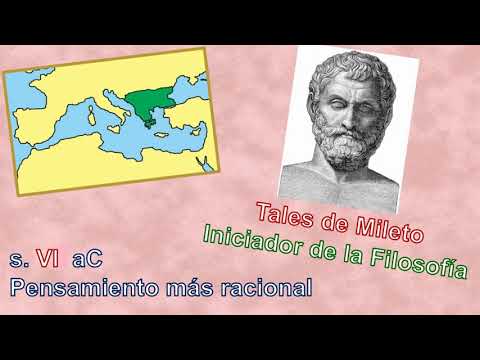
- By the 6th century BC, thinkers like Thales began seeking rational explanations for world phenomena.
The Birth of Historical Science
Herodotus: Father of History
- Herodotus traveled extensively across Persia and Egypt; his work marked a shift from mere narration to explaining causes based on sources.
- His book "Histories" established history as a science grounded in evidence rather than just storytelling.
Changes in Historical Focus
- By the 19th century (1800), history had become focused primarily on major events involving prominent figures while neglecting broader societal contexts.
Modern Perspectives on History
Emergence of Social History
- In the 1920s and 1930s, historians began challenging traditional political narratives by introducing social history that included diverse perspectives.
Characteristics of Contemporary History
- Modern historiography emphasizes understanding humanity's complex development through various fields beyond written documents alone.
- It recognizes that history encompasses oral traditions and material evidence alongside written records.
Understanding History: Its Importance and Elements
The Role of History in Society
- La historia permite conocer la memoria colectiva de los pueblos, ayudando a cada individuo a valorar su identidad.
- Se plantea que la historia es la ciencia del devenir de los hombres en el tiempo, cuestionando su utilidad y sentido.
- Estudiar el pasado no es una tarea inútil; nos ayuda a comprender el presente y proyectarnos hacia el futuro.
Lessons from the Past
- Ejemplos históricos como los nacionalismos de las décadas de 1920 y 1930 muestran cómo eventos pasados pueden influir en conflictos futuros, como la Segunda Guerra Mundial.
- La guerra del salitre entre Perú y Chile (1879) ilustra cómo la desunión y corrupción pueden llevar a derrotas significativas, afectando problemas actuales como la pobreza y falta de desarrollo.
Fundamental Elements of Historical Study
- La ciencia de la historia se basa en dos elementos fundamentales: cronología y geografía, que son considerados "ojos de la historia".
- La cronología permite ubicar hechos históricos en el tiempo, mientras que la geografía determina su localización espacial.
Understanding Humanity Through History
- El objeto de estudio de la historia es el ser humano en su conjunto, analizando cómo ha cambiado a lo largo del tiempo y espacio.