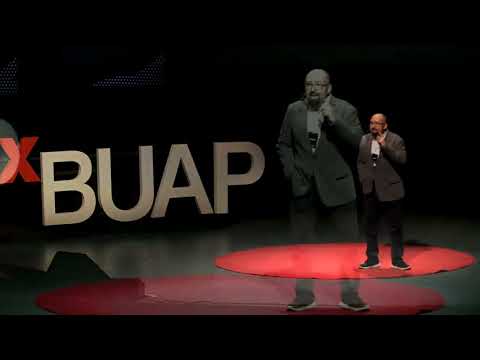
Hemos buscado la justica en el lugar equivocado | Raúl Howe Marañón | TEDxBUAP
Introduction to Justice and Responsibility
The Importance of Justice
- The speaker expresses happiness about participating in a valued forum, recognizing the efforts of brilliant minds aiming to change history.
- Justice is defined as the need for harmony among humans, with the state responsible for regulating interactions and administering justice.
- Justice can be viewed through various lenses: philosophy, ethics, law, or metaphorically; it consists of rules that enable harmonious living.
Public Sentiment on Justice
- A survey reveals that over 90% of people are dissatisfied with current justice systems, prompting questions about why this dissatisfaction exists.
- The speaker introduces three traps regarding how justice has been sought incorrectly through the state.
Traps in Seeking Justice
First Trap: Misunderstanding Conflict Resolution
- The state's approach to resolving conflicts involves punishment rather than true resolution; it casts judgment based on formal arguments instead of substantial evidence.
- An illustrative story about Daniel from Puebla highlights the failure of state mechanisms when he was wrongfully lynched due to mistaken identity.
Consequences of State Actions
- Following Daniel's lynching, legislators focus on criminalizing lynching rather than addressing underlying community fears and insecurities.
- Sociological perspectives indicate that conflict evolves into violence; merely punishing offenders does not address root causes.
Ineffectiveness of Punitive Models
Statistics on Crime and Injustice
- Despite high rates of reported crimes like sexual violence and kidnapping in Mexico, punitive measures have proven inadequate in ensuring safety or satisfaction with justice.
- The current model focuses excessively on punishment while neglecting broader societal issues contributing to crime.
Second Trap: Monopoly Over Justice
State Control Over Legal Processes
- The state claims exclusive rights to administer justice, asserting that private entities are corrupt while public institutions remain clean.
- Pandemic-related delays reveal significant backlogs in judicial cases—almost 50% go unaddressed due to insufficient resources.
Resource Allocation Issues
- Mexico has fewer judges per capita compared to global averages; despite having more police officers than average, insecurity remains a primary concern for citizens.
Challenges Faced by Judicial System
Burden on Judges and Resources
- Judges face overwhelming workloads—approximately three cases per hour—which hampers their ability to deliver fair judgments effectively.
Misconceptions About Free Justice
- Although stated as free under constitutional law, actual costs associated with accessing justice are significant due to taxes funding judicial operations.
Exploring Alternative Solutions
Mediating Conflicts Effectively
- Some innovative thinkers within the state propose alternative dispute resolution methods like mediation as potential solutions amidst resource constraints.
Success Stories from Other Countries
- China’s extensive use of mediators demonstrates effective conflict resolution at a community level without overwhelming judicial systems.
Real-Life Mediation Example
Case Study: Traffic Accident Mediation
- A narrative involving Sonia illustrates how mediation allows parties involved in accidents to communicate openly and resolve conflicts amicably outside court settings.
Emotional Impact During Conflicts
- Emotions play a crucial role during conflicts; mediation provides a platform for expressing feelings which traditional legal processes often overlook.
Limitations and Proposals for Improvement
Need for Broader Access to Mediation Services
- While mediation shows promise, its implementation is limited across Mexican states since only half have established such services.
Empowering Citizens Through Training
- To alleviate pressure on the judicial system, citizens should be trained in conflict resolution skills enabling them to handle disputes independently.
Turn any video into a summary like this
YouTube links, meetings, lectures. With transcripts, search, and chat.