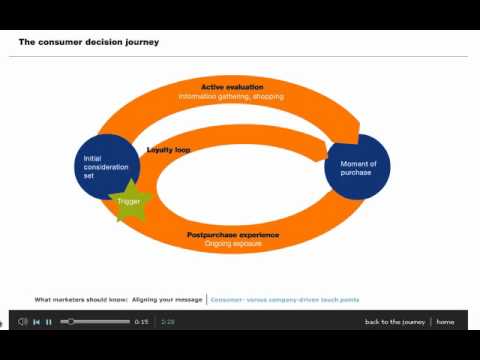
McKinsey Consumer Decision Journey
Understanding the Changing Consumer Decision Journey
The Shift in Consumer Behavior
- The work began with an observation of significant changes in how consumers research and purchase products, driven by new technologies, particularly the internet, and increased consumer empowerment.
- There is a need to reevaluate the consumer decision process and what companies should focus on for effective marketing strategies.
Limitations of the Purchase Funnel Model
- The traditional purchase funnel model suggests a linear progression from brand awareness to loyalty, which does not accurately reflect current consumer behavior.
- Research indicates that the decision-making process is more circular rather than linear, challenging the conventional funnel approach.
Stages of the Consumer Decision Journey
- The journey begins with ongoing exposure to brands followed by a trigger that initiates consideration. Consumers often start with a narrow list due to media overload.
- In the active evaluation stage, consumers expand their consideration set as they actively research options before making a purchase decision.
- Closure occurs at the point of purchase; many consumers finalize their choice in-store rather than beforehand.
Understanding Loyalty Types
- The concept of loyalty has evolved into two categories: active loyalty (where consumers do not consider other brands upon repurchase) and passive loyalty (where consumers are open to alternatives).
Aligning Marketing Strategies with Consumer Behavior
- Marketers must align their strategies with how consumers research and buy products to avoid wasting resources and alienating potential customers.
Key Areas for Consideration:
- Marketing Priorities: Companies should prioritize spending on initial consideration or post-purchase experiences over closure efforts.
- Messaging Alignment: Messaging needs to provide relevant information during active evaluation instead of focusing solely on initial consideration.
- Consumer-driven Marketing Investments: Companies must invest in tools that facilitate product understanding through online resources like websites and testimonials.
- In-store Experience: Ensuring appealing packaging can significantly influence final purchasing decisions made in-store.
- Seamless Brand Experience: All customer-facing activities should create a cohesive experience across various touchpoints throughout the consumer's journey.
Influence of Touchpoints on Decision Making
- Two types of touchpoints exist: company-driven (advertising influences during initial consideration) versus consumer-driven (word-of-mouth and online searches dominate during active evaluation).
- To succeed, brands must foster discussions about their products among consumers and ensure visibility on independent platforms where potential buyers conduct research.
This structured overview captures key insights from the transcript while providing timestamps for easy reference back to specific points discussed within it.