Every Price Move Has a Purpose... Here’s How to Read It
Validating Key Levels in Trading
Introduction to Price Behavior Analysis
- Traders often mark key levels but still incur losses due to neglecting surrounding price behavior.
- This video focuses on validating key levels and making sniper confirmation entries through price behavior analysis, part of a high probability trading series.
Understanding Key Level Validation
- The session will cover two aspects of price behavior: approaching the key level and behavior inside the key level.
- Identifying valid key levels is crucial; however, validation involves understanding how price behaves as it approaches these levels.
Approaches to Key Levels
Impulsive Approach
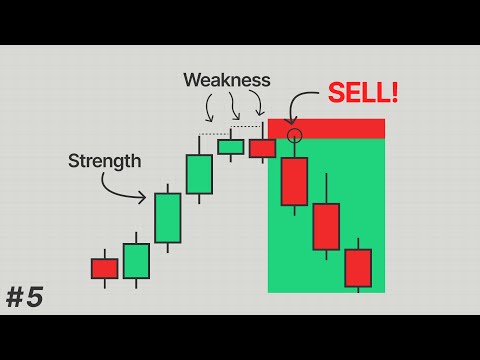
- An impulsive approach indicates that aggressive movement towards a key level can signal potential exhaustion at that level, leading to sharp reversals.
- Fast movements into a key level are seen as positive indicators for traders looking for reversals.
Corrective Approach
- A corrective approach includes movements like channels or flags, which suggest higher probability of respect for the level but differ from impulsive moves.
- Focus should be maintained on these two approaches while avoiding distractions from other methods of approaching key levels.
Examples of Price Behavior
Aggressive Movements
- Observations show that when prices move aggressively towards a key level, they often reverse sharply if the level is valid based on probability.
- Entering trades after strong pushes can yield high reward-to-risk ratios since prices tend not to return to entry points frequently.
Weak Movements
- Conversely, slow movements towards a key level indicate weakness and may require additional confirmation before entering trades. This could lead to false breakouts or continued downward pressure without strength signals present.
Internal Price Behavior at Key Levels
Triggers for Entry Decisions
- Rejection: Strong wicks indicating rejection at a key level signal respect for that level and potential entry points. However, caution is advised as long wicks may still allow further movement against the trader's position before reversing back downwards.
- Sweep: A fake-out pattern where price briefly exceeds previous highs or lows within the range suggests weakness and can provide an entry point upon reversal back below those highs/lows with confirmation via wicks or structure changes.
- Acceptance: When price remains within a large range yet shows signs of acceptance (closure above/below), this indicates potential continuation in that direction post-validation at the key level itself.
Matching Strength with Weakness
- It’s essential to match strength in approach with weakness inside the key level; strong impulsive approaches should see weak reactions inside while corrective approaches need stronger confirmations such as acceptance before entering trades.
Practical Application on Charts
Example Analysis
- Observations on Euro Dollar charts demonstrate how triggers like sweeps and rejections can validate entries based on established patterns around significant levels.
- Emphasis is placed on refining larger ranges into smaller actionable areas where multiple confirmations align before executing trades.
Conclusion
- The video concludes by reiterating the importance of understanding both external behaviors leading up to a trade setup and internal dynamics once at critical levels for successful trading strategies.