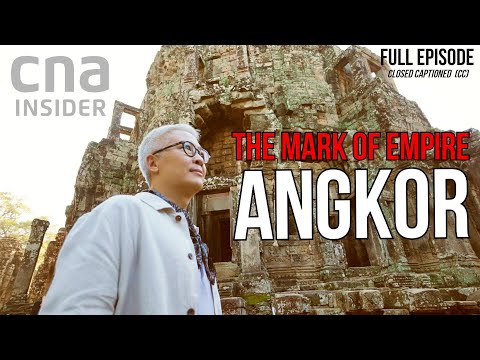
Cambodia's Temple Kingdom | The Mark Of Empire | Angkor
Exploring the Diversity of Southeast Asia
Introduction to Southeast Asia's Cultural Richness
- Peter Lee introduces himself as a Singaporean scholar of Peranakan descent, highlighting the region's cultural and religious diversity.
- He expresses his passion for collecting artifacts that tell unique narratives, such as a European fairy tale depicted on Indonesian art.
Journey into History
- Peter embarks on a journey to explore how ancient empires shaped Southeast Asia's identity, starting with Cambodia.
- He discusses the Angkor Empire, which thrived for 600 years and created one of the world's largest religious monuments.
The Spiritual Significance of Sacred Sites
Pilgrimage at Phnom Kulen
- Phnom Kulen is presented as an important pilgrimage site linked to the origins of the Angkor Empire.
- A stone inscription from the late 19th century reveals historical connections between Khmer princes and Java.
Water Management in Ancient Khmer Society
The Importance of Water Resources
- The monsoon season significantly affects water levels in Cambodia, influencing agricultural practices.
- Carvings known as lingas symbolize fertility and are associated with Hindu beliefs; they sanctify water flowing over them.
Agricultural Innovations
Rice Cultivation Techniques
- Peter participates in rice weeding, learning about traditional farming methods crucial for food security in ancient times.
- Floating rice varieties adapted to changing water levels were essential for sustaining the Angkor population.
Engineering Marvel: West Baray Reservoir
Infrastructure Development
- The West Baray reservoir exemplifies Khmer engineering prowess, providing irrigation and supporting agriculture.
- This massive reservoir was part of an intricate system that ensured food security through effective water management.
Transportation Networks
Road Construction Techniques
- Peter learns about soil compacting techniques used by Khmers to build durable roads that have lasted centuries.
- An extensive network of roads facilitated trade and political power across regions during the empire’s peak.
Adapting to Environmental Challenges
Tonle Sap Lake Dynamics
- Near Angkor lies Tonle Sap Lake, which expands dramatically during monsoons, showcasing adaptive strategies by local communities.
- Fishermen demonstrate their techniques for catching fish during seasonal changes affecting lake size.
Resilience in Extreme Conditions
Life Above Water Levels
- Residents adapt their homes above flood levels on stilts due to seasonal flooding challenges faced by communities around Tonle Sap Lake.
Administrative Centers in Ancient Society
Preah Khan Temple Insights
Peter visits Preah Khan temple built under King Jayavarman VII, serving both administrative and educational purposes within society.
Rise of Angkor Wat
Architectural Mastery
- Angkor Wat is highlighted as a monumental achievement reflecting Hindu cosmology through its design.
Structural Integrity
Moat Functionality
- Archaeologists explain how moats around temples like Angkor Wat serve practical purposes beyond aesthetics.
Artistic Expression
Cultural Narratives Through Art
- Bas-reliefs depict significant historical events while also illustrating deeper spiritual beliefs held by Khmer people.
Modern Interpretations
Apsara Dance Revival
- Contemporary adaptations of traditional dances reflect cultural heritage rooted in ancient practices observed at sites like Angkor Wat.
Decline of the Empire
Political Shifts Impacting Stability
- King Jayavarman VII’s expansionist policies led to internal strife contributing to eventual decline amidst external pressures.
Archaeological Discoveries
Uncovering Daily Life
- Excavations reveal insights into domestic life during declining years indicating socio-political shifts before official collapse.
Preservation Efforts Today
Modern Challenges Facing Heritage Sites
Local initiatives aim at conserving cultural heritage amid tourism pressures while fostering community engagement through cleanup efforts.
Turn any video into a summary like this
YouTube links, meetings, lectures. With transcripts, search, and chat.