2017 Maps of Meaning 02: Marionettes & Individuals (Part 1)
Introduction to Pinocchio and Cultural Significance
Overview of the Discussion
- The speaker plans to review previous discussions and analyze the Disney film "Pinocchio," presuming familiarity among the audience.
- The widespread viewing of "Pinocchio" indicates its cultural significance, prompting an exploration of why it resonates with audiences.
Narrative Lens in Understanding the World
- The speaker proposes that humans perceive the world through a narrative lens, essential for determining how to act in various contexts.
- This perspective encompasses not only survival but also maintaining relationships over time, complicating our understanding of existence.
Evolving Mechanisms for Social Organization
Challenges of Social Living
- Survival involves long-term considerations for oneself and future generations, highlighting a complex problem in social organization.
- Dominance hierarchies are identified as evolved mechanisms that help animals navigate social structures, even if they aren't inherently social creatures.
Misconceptions About Power Structures
- Viewing human social structures solely as power dynamics is an oversimplification; stable coexistence requires more than just force.
- The challenge lies in organizing both small and large groups without conflict, which can have devastating consequences.
Memory Types and Their Role in Social Behavior
Forms of Memory Explained
- Different types of memory exist: short-term working memory (4 to 7 bits), episodic memory (semantic and procedural), each serving distinct functions.
- Procedural memory allows individuals to perform tasks like riding a bike or playing music without conscious thought, indicating ingrained knowledge from experience.
Implicit Knowledge in Social Interactions
- Much of our social behavior is instinctual rather than consciously formulated; we react based on ingrained patterns learned over time.
- Our ability to navigate social situations stems from deep-rooted experiences rather than explicit reasoning about actions.
Hierarchical Structures in Animal Behavior
Dominance Hierarchies Across Species
- Animals organize into hierarchies even when not living socially; dominance disputes occur frequently among species like songbirds.
Understanding Hierarchical Structures in Social Beings
The Evolution of Dominance Hierarchies
- The concept of social beings as "herd creatures" emphasizes the inevitability of hierarchical arrangements, which are deeply rooted in evolutionary history, predating even trees.
- The most significant influences on human behavior are those that have existed the longest; these foundational elements shape our perceptions and interactions, often remaining invisible yet impactful.
Implicit Social Knowledge
- Social order is subtly communicated through environmental cues, such as seating arrangements, which guide behavior and expectations among individuals.
- Much of our social knowledge is implicit, encoded in behaviors and expectations we hold for ourselves and others without conscious awareness.
Cultural Expectations and Conflict Avoidance
- Interactions rely heavily on shared cultural maps; when these expectations align, communication flows smoothly. Disruption can lead to conflict or avoidance.
- Acknowledging the complexity of human interactions reveals that misunderstandings can arise despite shared cultural frameworks.
Terror Management Theory Revisited
- Terror management theorists propose that belief systems regulate death anxiety; however, this perspective overlooks the role of active engagement with these beliefs in emotional regulation.
- Emotions are influenced not just by beliefs but by how individuals act out those beliefs within a social context.
The Role of Culture in Emotional Regulation
- Emotional stability arises from the alignment between personal belief systems and societal actions rather than from beliefs alone.
- People fiercely protect their cultures because disruptions threaten both psychological stability and physical safety; cultural cohesion prevents conflict that could escalate into violence.
Consequences of Cultural Fragmentation
- When cohesive groups fragment along identity lines, it can lead to severe conflicts with real-world consequences—historical examples illustrate how quickly situations can deteriorate.
- Cultural integrity serves as a buffer against existential threats; maintaining culture is crucial for survival beyond mere psychological comfort.
Fundamental Needs Beyond Anxiety
- Cultural structures do more than alleviate anxiety about death—they provide essential support for survival in a harsh world.
Understanding Human Reaction to Threats and the Social Contract
The Immediate Response to Threats
- When faced with a sudden threat, such as a predator, the human body reacts instinctively, similar to how a rat would respond to a cat. This reaction is complex and involves more than just anxiety.
- Anxiety alone is insufficient; it can lead to freezing in fear, which may be detrimental. A broader range of responses is necessary for survival.
- Possible reactions include aggression or fleeing. These responses are crucial for survival and require quick reflexive thinking.
Physiological Effects of Stress
- After encountering a threat, individuals may experience intense physiological reactions, including elevated heart rates and shaking. Recovery from such stress can take significant time.
- If the situation resolves without developing post-traumatic stress disorder (PTSD), one might still feel shaken for an extended period.
Philosophical Perspectives on Human Nature
- The discussion references philosopher Thomas Hobbes, who believed that humans are inherently chaotic without societal structure. In contrast, Rousseau viewed humans as good by nature but corrupted by society.
- The speaker argues that both perspectives hold truth: chaos exists in human nature but is mitigated by social contracts that govern interactions.
Society's Role in Human Behavior
- Blaming societal issues solely on human malevolence overlooks the fact that society itself was created by people. Thus, individual behavior must also be considered in understanding societal dynamics.
- Society contributes positively to peace and stability; individuals are less likely to act violently when their basic needs are met.
Biological Underpinnings of Behavior
- The hypothalamus plays a critical role in regulating basic biological needs like hunger and thirst. It influences emotional states and aggressive behaviors.
- Dysfunction within the hypothalamus can lead to extreme conditions such as uncontrollable thirst, illustrating how deeply biological processes affect behavior.
Understanding Human Nature and Warfare
The Nature of Violence and PTSD
- Individuals may perceive themselves as peaceful and productive, but this self-image can be misleading when faced with extreme situations like warfare.
- Young soldiers, often naive and sometimes lacking intelligence, are more susceptible to developing post-traumatic stress disorder (PTSD) after experiencing the brutal realities of battle.
Historical Context of Warfare
- Warfare is not a new phenomenon; it has existed for millions of years, even among primates such as chimpanzees who engage in territorial battles.
- Jane Goodall's research in the 1970s revealed that chimpanzees exhibit violent behaviors similar to humans, challenging the notion that warfare is uniquely human.
Evolutionary Roots of Territoriality
- The propensity for violence and territorial defense is deeply embedded in our evolutionary history, dating back approximately 6 to 7 million years since humans split from chimps.
- This inclination towards territoriality suggests that our ancestors were engaged in group conflicts long before modern civilization emerged.
Emotional Regulation and Response Mechanisms
- Maintaining alignment between personal desires and social responses is crucial for emotional stability; anxiety plays a significant role in this dynamic.
- Our emotional systems remain on standby, ready to react quickly to threats—similar to how prey animals instinctively respond to danger without conscious thought.
Reflexive Responses to Threat
- Humans have evolved reflexes that allow them to react faster than they can consciously process visual information about potential threats (e.g., snakes).
- This rapid response mechanism highlights the importance of survival instincts developed through co-evolution with predators.
Shared Narratives and Social Structures
- We live within shared narratives or stories that shape our worldview and actions; these narratives must operate within specific parameters for effective functioning.
- Jean Piaget emphasized the significance of structures that help individuals regulate their behavior amidst internal chaos during early socialization stages.
The Complexity of Early Childhood Development
- Piaget's work was motivated by a desire to reconcile science with religion while exploring how children learn self-regulation through social interactions.
The Complexities of Parenting and Emotional Regulation
The Paradox of Happiness in Parenting
- Parents often find themselves making their children less happy, as positive emotions can lead to impulsive behavior.
- Happiness can cloud judgment, leading to poor decision-making, such as overspending due to a hyper-optimistic mindset.
- Children’s exuberance is often misinterpreted; parents may ask them to settle down not out of concern for pain but because they are too lively.
Managing Children's Emotions
- Balancing emotions and motivations within children is crucial for their development.
- Different temperaments in children require varied approaches; the speaker contrasts his agreeable daughter with his more disagreeable son.
- Direct commands often fail with strong-willed children; alternative strategies must be employed.
Time-Out as a Tool for Self-Regulation
- The speaker implemented time-outs for his son, emphasizing self-control before rejoining family activities.
- Observing a child’s tantrum reveals intense emotional responses that can seem extreme compared to adult reactions.
Understanding Tantrums and Emotional Outbursts
- Children exhibit rage through physical expressions like kicking and hitting the ground during tantrums, which can appear chaotic yet are part of normal development.
- A specific case illustrates how some children manipulate situations through tantrums, showcasing their willpower even at a young age.
The Importance of Civilized Behavior
- Children learn quickly that certain behaviors yield little outcome; they adapt by ceasing ineffective tantrums over time.
- Establishing rules around emotional regulation helps children understand acceptable behavior within family dynamics.
Challenges in Parental Relationships
- Many parents struggle with liking their children due to challenging behaviors; this dynamic can lead to negative outcomes throughout life.
Understanding Child Behavior and Parental Response
The Impact of Emotional States on Discipline
- A parent’s emotional state can significantly affect their ability to discipline. In this case, a mother is overwhelmed due to personal issues, leading to an inability to manage her child's provocations effectively.
- Children often engage in provocative behavior similar to adolescent chimps testing boundaries. This behavior serves as a way for them to understand limits and responses from adults.
Provocation and Self-Control in Children
- Children frequently test parental reactions through provocation, which helps them gauge the boundaries of acceptable behavior. This process is crucial for their development.
- When a child struggles with self-control after being provoked, it reflects their internal battle between emotions and emerging identity. Parents must recognize this struggle.
Rewarding Positive Behavior
- Immediate rewards for compliance are essential in reinforcing positive behavior in children. Recognizing when a child gains control over their emotions encourages further good behavior.
- Simple acknowledgments like kind words or physical gestures (e.g., patting on the head) can be effective rewards that reinforce desired behaviors without manipulation.
Importance of Noticing Good Behavior
- Observing and acknowledging positive actions is vital for healthy relationships. Genuine recognition fosters goodwill and encourages individuals (including children) to repeat those behaviors.
- It’s challenging to notice when things are going well; people tend to focus on negative behaviors instead. Shifting attention towards positive actions can improve relational dynamics significantly.
Managing Resentment in Relationships
- Holding grudges against loved ones can hinder the ability to acknowledge their positive actions. It's important for parents not only to avoid resentment but also actively support children's learning processes.
Understanding Child Socialization
The Importance of Consensus in Child Development
- Emphasizes the significance of children being liked by their peers and adults, suggesting that if a child is well-received, it indicates they are developing positively.
- Highlights the negative impact on children when adults view them as troublesome, which can lead to feelings of rejection and isolation.
The Consequences of Poor Socialization
- Discusses how children learn to recognize false social cues from adults, leading to a distorted understanding of relationships and trust.
- Expresses concern for children who struggle socially, describing them as "doomed" due to inadequate emotional development and social skills.
Critical Developmental Milestones
- Argues that early childhood (ages 2 to 4) is crucial for integrating emotions and motivations into a cohesive self-concept.
- Warns that failure to socialize children by age four can result in long-term antisocial behavior, making it difficult for them to connect with peers.
The Role of Play in Learning Social Skills
- Stresses the importance of helping children develop a functional sense of self by age three so they can engage meaningfully with others.
- Describes how play allows children to practice social roles through imaginative scenarios, fostering cooperation and communication skills.
Imitation vs. Embodiment in Play
- Explains that children's pretend play involves more than mere imitation; they extract essential behaviors from role models (like parents).
Understanding the Complexity of Language and Social Interaction
The Role of Imitation in Language Development
- Language is fundamentally based on imitation, where individuals replicate words and actions. This foundational aspect allows for the conceptualization of complex ideas, such as motherhood.
- Initial interactions with infants are instinctual; caregivers know basic rules (e.g., not to drop or startle a baby) despite lacking formal guidelines on parenting.
Early Social Interactions and Play
- From birth, children engage in social interactions that resemble play, even during breastfeeding. This interaction is complex and requires cooperation between mother and child.
- Infants participate in intricate social dynamics early on, which are primarily oral-focused due to their physiological development at birth.
Developmental Milestones in Infancy
- Infants exhibit limited motor control but have well-developed oral capabilities necessary for feeding. Their exploration often involves using their mouths to understand their environment.
- Children initially organize themselves socially before they can effectively interact with peers through cooperative play within fictional worlds.
Cooperation vs. Competition in Games
- Cooperation and competition coexist; games like hockey illustrate this duality where teams compete while adhering to agreed-upon rules that require cooperation.
- The distinction between competition and cooperation is often misunderstood; both elements are integral to societal functioning and interpersonal relationships.
Lessons from Competitive Play
- Parents often emphasize the importance of how one plays over winning or losing, a concept that may be difficult for children to grasp without clear explanations.
Understanding Victory in the Meta-Game
The Concept of Winning Across Games
- True victory is not about winning every game but being invited to play all games. Playing fair allows one to engage in the meta-game, which focuses on overall success across various contexts.
- Moral relativism suggests that morality varies among cultures; however, there exists a universal meta-game where being likable and trustworthy determines one's ability to participate in social interactions.
Human Nature and Morality
- Humans are evolved to recognize those who excel at navigating social dynamics. For instance, people remember cheaters because they disrupt trust, highlighting an innate moral system designed for social cohesion.
- Our evolutionary history has shaped our understanding of morality; we are products of successful reproduction over billions of years, adapting to various "games" throughout time.
The Framework of Social Interaction
- Life can be viewed as a series of games with specific rules (e.g., Monopoly), where acceptance of these rules forms a social contract that facilitates interaction and competition.
- Within any game framework, players aim for goals defined by the rules. Success is often measured by establishing hierarchies within these frameworks while maintaining a spirit of fun and fairness.
Learning Through Play
- Accepting defeat gracefully is essential; it fosters resilience and encourages learning from experiences. This mindset helps buffer against negative emotions associated with losing.
- Engaging in games teaches valuable life skills such as emotional regulation and interpersonal communication, reinforcing the idea that even losses can yield positive outcomes.
Motivation and Goal Setting
- Individuals operate within manageable frameworks that allow them to set achievable goals. These goals provide direction and motivation, leading to positive emotional experiences as progress is made towards them.
What Makes a Goal Meaningful?
The Importance of Having Goals
- Without a goal, positive emotions cannot be experienced; thus, having a goal is essential for emotional well-being.
- Not all goals are equally effective; some are more conducive to personal growth and satisfaction than others.
- Different professions (e.g., lawyer, plumber, actor) represent "playable games," which vary in sustainability and suitability based on individual temperament.
- Goals must be socially acceptable and not arbitrary; they should align with one's personality traits to ensure engagement and fulfillment.
- There exists a large set of playable games that share commonalities, suggesting that morality has a fundamental basis.
Hierarchical Structures and Motivation
- Establishing a hierarchical structure with clear goals is crucial for maintaining positive motivation; without it, one lacks direction.
- Positive motivation arises from the pursuit of goals rather than their attainment; achieving a goal often leads to new challenges rather than lasting satisfaction.
Exploring Storytelling Through Pinocchio
The Art of Storytelling
- The story of Pinocchio was originally written by Collodi but differs significantly from Disney's animated version due to collaborative artistic genius.
- Effective storytelling involves understanding what works within narratives and generating ideas through collaboration among creative minds.
The Meta-game Concept in Narratives
- Successful stories resonate because they align with archetypes—universal themes or patterns embedded in human experience.
- Engaging narratives can evoke strong emotional responses, drawing audiences into the characters' journeys and experiences.
The Impact of Film on Emotions
Emotional Resonance in Cinema
- Films have the power to immerse viewers deeply into characters' lives, eliciting profound emotional reactions throughout the narrative arc.
Understanding Fragmented Experiences and Storytelling
The Nature of Fragmented Experiences
- Life experiences can feel fragmented, leading to instinctual apprehensions about the world. However, stepping back allows one to see how these pieces fit together.
- Engaging with stories helps connect these fragmented experiences, producing overwhelming emotions and insights into oneself.
The Role of Storytelling in Identity Formation
- Personal narratives help individuals discover their identities; for instance, a young boy acted out his fears through imaginative play as a knight.
- Despite being only four years old, the boy's exposure to Disney movies influenced his understanding of bravery and heroism.
Night Terrors and Symbolic Confrontation
- The child experienced night terrors but could not recall them upon waking. This led to discussions about his dreams at breakfast.
- In a vivid dream, he described being surrounded by strange dwarves and a dragon, which symbolized his fears manifesting during sleep.
Confronting Fears: A Hero's Journey
- The boy realized that confronting the dragon (his fear) was essential. He devised a plan involving teamwork with his father to overcome it.
- His imaginative solution involved attacking the dragon and creating a shield from its firebox—symbolizing personal empowerment through facing challenges.
Transformation Through Mythological Roles
- By adopting the role of a mythological hero, the child transformed his identity and overcame night terrors—a significant psychological breakthrough.
- This narrative illustrates that running away from fears often exacerbates them; instead, confronting them leads to growth and strength.
The Structure of Human Experience
Exploring Territory: Known vs. Unknown
- There exists a symbolic structure in life comprising unexplored territory (rich in potential yet dangerous) versus explored territory (conformity imposed by culture).
The Duality of Human Nature
- Individuals embody both admirable qualities and darker aspects; recognizing this duality is crucial for self-awareness.
Ideologies and Perceptions of Nature
Natural Harmony vs. Cultural Impact
The Dichotomy of Nature and Culture
- The speaker describes the French landscape as a "paradise," especially in the absence of people, contrasting this with the idea that culture acts as a "rapacious monster" that drives humanity against nature.
- A reference to the movie Avatar is made, highlighting its mythological narrative but suggesting it only tells half of a larger story about human interaction with nature.
Frontier Myths and Environmental Narratives
- The discussion shifts to frontier myths, likening them to narratives found in Star Trek or Star Wars, which depict civilization conquering wild landscapes.
- This frontier myth is positioned as opposite to environmental stories, indicating a need for balance between these conflicting narratives.
Understanding Paradoxes in Stories
- The speaker emphasizes that understanding both the frontier and environmental stories provides a comprehensive view of human experience.
- A philosophical point is raised regarding formal logic: something cannot be itself and its opposite simultaneously; however, this does not apply universally, particularly in complex human experiences.
The Hero's Journey: Embracing Duality
Facing Inner Monsters
- The metaphor of dragons hoarding gold illustrates the paradoxical nature of desires and dangers; one must confront challenges (the dragon) to gain rewards (the gold).
- In The Hobbit, Bilbo Baggins represents an underdeveloped character who must embrace his darker side (becoming a thief) to succeed on his quest.
Moral Complexity in Heroism
- The notion arises that being harmless does not equate to virtue; true virtue involves having the capacity for harm but choosing not to act on it.
- Characters like Harry Potter exemplify this complexity—flawed yet heroic figures who break rules for just causes demonstrate that moral ambiguity can lead to greater goods.
From Morality to Ethics: Personal Development
Refining Morals into Ethics
- A student poses a question about the transition from morality (implicit socialization) to ethics (conscious refinement), prompting further exploration by the speaker.
Assertiveness Training in Psychotherapy
- Many clients struggle with agreeableness, leading them to feel resentful when they fail to assert themselves during negotiations.
- Psychotherapy often focuses on helping individuals develop assertiveness skills necessary for effective negotiation and self-representation.
Navigating Conflict and Self-Awareness
Understanding Chaos and Its Role in Human Experience
The Nature of Chaos
- Chaos is described as a source of potential, representing the unknown and the unpredictable aspects of life. It is essential for growth but can also be perceived as a predator lurking beyond our understanding.
Symbolism in Nature and Culture
- The concept of chaos is illustrated through the metaphor of a winged dragon, symbolizing both matter and spirit. This duality reflects the predatory nature that has historically threatened humanity.
Alarm Responses in Primates
- Primates have evolved specific alarm calls to warn against different predators (e.g., snakes, leopards, birds of prey), showcasing an instinctual response to chaos and danger.
Archetypal Representations
- The suffering individual represents life's inherent struggles. This archetype is supported by culture, which provides context and meaning to individual suffering within a broader narrative.
Cultural Narratives Over Time
- Humanity has been attempting to articulate its story through various mediums like movies and literature. Despite these efforts, a comprehensive understanding remains elusive.
Jung's Contributions to Understanding Human Experience
Jung's Exploration of Archetypes
- Carl Jung aimed to decode archetypal images embedded in human consciousness, seeking their meanings despite the complexity involved in such interpretations.
Complexity of Images
- Jung’s writings are often seen as obscure due to the intricate nature of images he discusses; they cannot be easily explained linearly but require holistic understanding.
Historical Context of Cultural Symbols
- Archetypal symbols like the Virgin and Child predate Christianity, indicating deep-rooted cultural reverence for maternal figures throughout history.
Ethical Development Amidst Technological Advancement
The Shift from Metaphysical Ethics
- There was an organic development of metaphysical ethics rooted in religious traditions until around 1600 when science began reshaping perspectives on morality.
Technological Power vs. Wisdom
- While technological advancements have made humanity powerful, there exists a gap in ethical wisdom that poses significant challenges for society today.
Addressing Ethical Impairment
- The challenge lies in reconciling exceptional technological capabilities with an underdeveloped or irrational ethical framework derived from mythology and religion.
Reflection on 20th Century Issues
Understanding the Nature of Humanity and Wisdom
The Brutality of Human Actions
- The speaker reflects on the brutality of human actions throughout history, emphasizing that these acts were committed by ordinary individuals who are not fundamentally different from anyone else.
- There is a call for understanding oneself as a "monster" to maintain control over one's darker impulses, suggesting that self-awareness is crucial in preventing future atrocities.
The Role of Wisdom in Society
- The speaker argues that wisdom is essential for survival and personal fulfillment, questioning whether true wisdom exists and lamenting the failure of universities, particularly humanities programs, to cultivate it.
- Emphasizes that living wisely leads to a significantly improved quality of life, highlighting the importance of having a clear conscience over material wealth.
Money vs. Life's Fundamental Problems
- Discusses how money cannot solve many fundamental life problems such as relationship issues or health crises; wealthy individuals still face significant challenges.
- Suggests that increased wealth can lead to greater temptations and complications rather than solutions to life's problems.
Economic Progress and Its Implications
- Notes rapid global economic growth and its success in lifting millions out of poverty within 15 years, countering pessimistic views about economic conditions.
- References the U.N.'s goal to halve poverty by 2015, which was achieved two years early, showcasing effective global efforts against poverty.
Learning from Historical Atrocities
- Reflecting on historical horrors like those in Auschwitz and the Gulag Archipelago as examples of extreme unwise behavior; emphasizes learning from these events to avoid repeating them.
- Argues that universities should focus on teaching students how to be civilized citizens rather than merely preparing them for jobs.
Cultural Myths and Individual Value
- Discusses the importance of grappling with cultural myths through humanities education to understand one’s place in history rather than feeling isolated.
- Highlights the significance of art and mythology in situating individuals within their cultural context, promoting a sense of belonging.
Transcendence Through Goals
- Introduces a song discussed previously as an example where beauty signifies divine elements; suggests this aesthetic choice conveys deeper meanings about existence.
Manifesting Potential and the Role of Responsibility
The Concept of Elevated Goals
- Individuals possess the potential to manifest their goals, which should be elevated and above the mundane.
- The metaphor of a star represents an ideal or aspiration, serving as a guiding light in darkness, akin to Hollywood stars that people emulate.
Aiming for Human Ideals
- The ideal human being is likened to a star; aiming at this ideal can provide direction in life.
- One should strive to become the best version of themselves, even if they are uncertain about what that entails.
Responsibility and Meaning in Life
- Embracing ultimate responsibility is essential for experiencing life's ultimate meaning; avoiding it leads to a trivial existence.
- Some may rationalize life's futility as an excuse to evade responsibility, suggesting that adopting such responsibilities could lead to meaningful experiences.
Understanding Human Capability
- The quote "I am a man: nothing human is foreign to me" emphasizes our shared capabilities and the need for personal accountability.
- Recognizing that one could commit acts similar to others highlights the importance of taking responsibility for one's actions.
Orientation Towards Higher Good
- A hypothesis suggests orienting oneself towards the highest good imaginable will yield positive outcomes in life.
- Setting specific goals increases chances of success; many who aim at nothing achieve just that. Adjusting goals along the way enhances understanding and sophistication in aspirations.
Integration of Rationality and Emotion
Insights on Success and Personal Growth
The Importance of Embodying Success
- To achieve success, one must not only understand it but also embody and act upon those principles in the world.
- Successful individuals often exhibit traits such as toughness, intelligence, strategic thinking, generosity, and honesty.
The Nature of True Success
- Pursuing noble goals leads to remarkable achievements; these do not always have to be grand but can occur at any level, including within one's family or community.
- Heroic acts can manifest in everyday life, such as caring for a sick family member or supporting someone in need.
Personal Stories of Resilience
- A poignant example is shared about a woman who appeared damaged yet demonstrated incredible humility and compassion despite her circumstances.
- This woman had faced significant challenges: living with a schizophrenic aunt and an alcoholic uncle while struggling with her own mental health issues.
Acts of Kindness Amidst Struggles
- Despite her hardships, she found purpose in caring for her dog and sought to help others by wanting to take patients from a psychiatric ward out for walks.
- Her desire to assist those worse off than herself was striking given her own difficult situation; this illustrates the potential for kindness even in dire circumstances.
Reflections on Human Capability
- The story emphasizes that opportunities exist for elevating one's perspective within their realm of capability regardless of personal struggles.
The Role of Fate and Truth in Animation
The Concept of Animation and Fate
- The act of animating something is described as infusing it with soul, exemplified by the character Pinocchio, who is freed from his strings by a force representing fate.
- Proper orientation in life, aligned with ultimate goals, suggests that the world will support you; truthfulness leads to better outcomes.
- Choosing honesty allows reality to back you up rather than oppose you; deceit challenges reality and can lead to negative consequences.
Consequences of Deceit
- Engaging in deceit is likened to bending a plastic ruler—eventually, the stored tension will snap back and cause harm.
- In clinical practice, no one has successfully evaded the repercussions of their actions; messing with reality's structure results in eventual backlash.
Understanding Reality Through Psychotherapy
- Psychotherapy often involves uncovering connections between past events and current issues, which may not always be directly related to an individual’s actions.
- Distorting reality creates lasting effects until addressed; pursuing high goals requires commitment and belief.
Belief as Action
- Belief is framed not just as acceptance of truths but as a commitment to act upon those beliefs—reflecting one's values through actions.
- Ignorance limits knowledge; making decisions requires belief despite uncertainty. This belief can be seen as a wish or aspiration.
Archetypes: Jiminy Cricket and Conscience
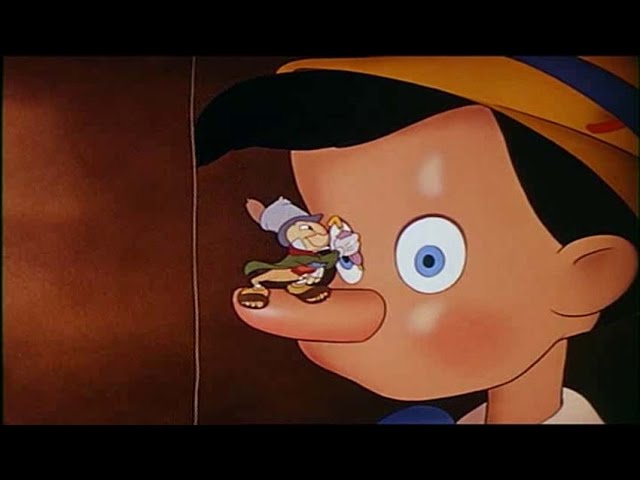
- Jiminy Cricket serves as a representation of conscience, humorously juxtaposed against traditional savior figures like Jesus Christ.
- The character evolves from comic relief to embodying deeper archetypal roles such as shaman or priest within narratives like "The Lion King."
The Nature of Conscience
- Conscience manifests uniquely for individuals—some experience it as an internal voice while others feel it more abstractly.
- The phenomenon of conscience remains underexplored in psychology; its presence raises questions about societal influences on personal morality.
Sociocultural Constructs vs. Biological Potential
- Even if conscience is socioculturally constructed (like language), its existence relies on inherent human capabilities for moral reasoning.
The Symbolism of Conscience and the Hero's Birth
The Role of Conscience
- The conscience is likened to Jiminy Cricket, serving as a universal guide for moral decisions.
- A significant book is introduced, symbolizing the importance of conscience; it is leather-bound and locked, suggesting depth and value.
Symbolism in Imagery
- The cricket opens a book that evokes imagery reminiscent of Van Gogh's Nativity scene, linking to themes of birth and miracles.
- The Christmas star symbolizes the miraculous nature of an infant's birth, representing potential saviors in every child.
Relationships with Children
- Having children offers a unique opportunity for pure relationships based on love and trust if nurtured properly.
- Children are portrayed positively; they provide more emotional return than what they require from adults.
Aspirations and Ideals
- The star associated with the hero’s birth also represents personal aspirations—wishing for one's ideal self to emerge.
- Reflecting on personal shortcomings can lead to self-improvement; identifying negative behaviors is crucial for growth.
Self-reflection Practices
- Engaging in meditative exercises can help individuals identify detrimental habits that hinder their lives.
- Recognizing at least a dozen negative behaviors can be enlightening; this awareness serves as a starting point for change.
Environment as Reflection of Values
- The cricket discovers a welcoming home filled with warmth and light, symbolizing safety amidst darkness.
- A cozy environment filled with well-crafted toys indicates care for children, reflecting positive human values.
Craftsmanship as Truth
- Observing handmade toys suggests the presence of a woodcarver—a metaphor for creating beauty and functionality in life.
Understanding the Role of Conscience and Free Will
The Setting and Introduction of Key Characters
- The film establishes a sense of integrity, showcasing the environment where the story unfolds, emphasizing time as an important sub-element through numerous clocks.
- A marionette is introduced, described as quasi-animated; it lacks its own volition and is manipulated by unseen forces, suggesting themes of control and dependency.
- The concept of being a "marionette" extends to humans influenced by unconscious biological and cultural forces, raising questions about autonomy in ideological movements.
Exploring the Marionette's Potential
- The marionette is depicted as half-formed with potential; interactions with the cricket reveal its quality but also highlight its incomplete nature.
- The cricket’s transformation from a wealthy figure to a tramp symbolizes a loss of stability; this character serves as a conscience yet lacks a home or grounding.
Conscience: A Complex Relationship
- The cricket represents not just guidance but also reflects on the hero's journey; it suggests that conscience must evolve through experience rather than simply dictate actions.
- If conscience were perfect, it would eliminate mistakes. Instead, it requires interaction and learning over time to develop wisdom alongside personal growth.
Dialogue Between Self and Conscience
- There’s an implication that conscience needs nurturing through dialogue with one’s experiences; it's not merely an omniscient guide but something that matures with individual development.
- This relationship raises questions about free will—if conscience knows best, why do individuals still make poor choices? It suggests complexity in human decision-making beyond deterministic views.
Growth Through Experience
- As the story progresses, the cricket starts off ineffectively guiding the marionette; this highlights that even moral guides can be flawed at first.
Geppetto and the Archetype of the Father
The Character of Geppetto
- Geppetto is portrayed as a kind, old craftsman who embodies positive masculine archetypes. He is characterized by his care for kittens, humor, and playfulness.
- He represents culture in its positive manifestation and serves as a wise father figure, giving rise to his creation—a puppet.
Culture and Individuality
- The narrative suggests that individuals are influenced by their culture, likening them to puppets or marionettes shaped by cultural forces.
- Unlike scientific determinism which posits that nature and culture solely define an individual, mythological perspectives assert that individuals possess autonomy and can influence their character through choices.
The Role of Choice in Identity
- Mythological stories consistently feature heroes alongside archetypal figures like mothers and fathers, implying an inherent autonomy within these characters.
- A discussion with Sam Harris highlights the tension between determinism (the belief in no free will) and the lived experience of making choices.
Consciousness: A Complex Phenomenon
- There is currently no scientific model explaining consciousness; critiques of mechanistic approaches suggest they fail to capture its essence.
- Philosophers like Heidegger argue for treating consciousness as primary—human experience shapes reality rather than existing independently from it.
Language as a Creative Force
- In Genesis, chaos symbolizes potential before God uses language (the Logos) to create order. This reflects how human beings also use language to manifest their realities.
Understanding Autonomy and Voice in Relationships
The Concept of Rights and Divinity
- In Western culture, rights are rooted in the belief that every individual possesses a "spark of divinity," which demands respect from the law.
- True belief is demonstrated through actions rather than mere acceptance of propositions; how one treats others reflects their beliefs.
Determinism vs. Autonomy
- The notion of being a "deterministic puppet" suggests that individuals may feel controlled by external forces, yet they have the potential to assert autonomy.
Parenting and Empowerment
- Allowing children to express their voice is crucial for their development into autonomous beings rather than mere puppets.
- Facilitating a child's voice fosters growth and independence, contrasting with authoritarian parenting styles.
Symbolism in Geppetto's Actions
- Geppetto’s decision to give Pinocchio a voice symbolizes his desire for the puppet to become more than just an object; he wishes for it to develop its own identity.
Tyranny vs. Freedom
- The character of the frowning king represents tyranny, opposing the idea of giving voices to creations or children.
- A humorous remark about not being able to please everyone highlights the tension between authority figures and individual expression.
Artistic Intent and Narrative Structure
- The narrative structure emphasizes intentionality; elements introduced must serve a purpose within the story, reflecting Chekov's principle regarding storytelling.
Transition Between Worlds
- Clocks signify time's importance as Geppetto transitions from consciousness into an unconscious realm filled with dreams and symbolism.
Wishes Reflecting Parental Aspirations
Understanding Parental Influence and Autonomy in Pinocchio
The Role of Fathers in Child Development
- The speaker discusses the varying dynamics between fathers and their children, highlighting that some fathers are tyrannical or neglectful, punishing good behavior instead of encouraging it.
- A contrast is drawn with Geppetto, who wishes for his puppet to become autonomous rather than diminishing him. This reflects a nurturing approach to parenting.
Dreams and Time Perception
- The narrative shifts to the cricket's experience as he becomes hyper-alert due to the noise around him, illustrating a state where time feels suspended.
- Freud's insights on dreams are referenced, noting how external stimuli (like an alarm clock) can be incorporated into dream narratives, emphasizing the subjective nature of time in dreams.
Nature and Cultural Influence
- The cricket commands time to stop, leading to the appearance of a blue fairy. This moment symbolizes the intersection of fantasy and reality where magical elements are accepted without question.
- The concept emerges that if a father sets appropriate aims for his child, Nature will support those efforts. Proper cultural relationships enhance a child's potential for flourishing.
Alignment of Goals and Biological Forces
- When parents establish feasible goals for their children, they align biological forces towards achieving those goals. This alignment fosters cooperation within oneself.
- Carl Rogers' idea of "genuineness" is mentioned; when conscious aims align with biological possibilities, individuals can act without internal contradictions.
Autonomy Through Intervention
- The fairy's intervention allows Pinocchio to move independently from strings, symbolizing how culture shapes aim while Nature facilitates autonomy.
- Children possess inherent temperaments that unfold within cultural contexts; this combination leads to unique developments in personality and behavior.
Understanding Conscience and Autonomy in Pinocchio
The Role of Conscience
- The puppet asks about the meaning of "conscience" after being advised to let it guide him, highlighting a lack of understanding.
- A bug attempts to lecture on proper behavior, but his advice is generic and lacks depth, illustrating superficial moral guidance.
- The bug's grandiose self-perception contrasts with his shallow knowledge, leading to comedic moments that reveal gender dynamics in the narrative.
Transformation and Responsibility
- The fairy transforms the bug into a conscience for Pinocchio, elevating him but also placing responsibility on him to guide the puppet.
- Despite his initial confidence, the bug struggles to articulate what it means to be good, indicating that moral knowledge cannot be easily defined by rules.
Complexity of Morality
- Life's complexities mean that simple moral guidelines often conflict; this creates confusion when trying to navigate ethical dilemmas.
- Pinocchio expresses a desire to be good, which is met with encouragement from the cricket, setting up an expectation for positive development.
Parental Influence on Individuality
- Geppetto’s happiness at Pinocchio’s autonomy emphasizes a supportive parental role in fostering individuality and competence.
- The combination of paternal encouragement and maternal influence is presented as essential for developing an autonomous individual.
Facing the World
- As Pinocchio prepares for school, it symbolizes readiness for social interaction and independence due to effective parenting.
- Geppetto’s faith in Pinocchio’s abilities reflects healthy parenting practices that promote confidence rather than fear.
Challenges Ahead
- Although prepared for challenges ahead, Pinocchio will face complications in navigating a world filled with malevolence and naivety.