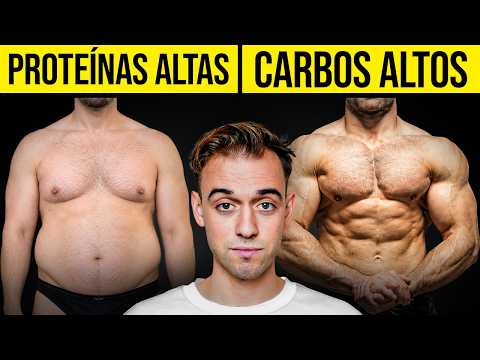
Come Así para Bajar a un 10% de Grasa Rápido
Strategies for Dropping Body Fat Without Losing Muscle
Introduction to Fat Loss Strategies
- Many individuals aiming for low body fat percentages often max out protein, drastically reduce calories, and engage in excessive cardio, leading to muscle loss and stagnation at higher body fat levels.
- The speaker, Ivon Suberviola, proposes an alternative approach that includes sufficient carbohydrates and moderate protein intake to effectively drop body fat while preserving muscle mass.
Speaker's Credentials
- Ivon Suberviola has coached over 4,000 individuals towards their physical potential and prepared around 200 athletes for natural bodybuilding competitions with notable successes.
Resources Available
- A link is provided in the video description to a folder containing resources on natural bodybuilding secrets including guides and protocols aimed at maximizing physical potential.
Understanding Weight Loss vs. Fat Loss
- It's crucial to differentiate between weight loss and fat loss; losing weight does not always equate to losing only fat due to various factors affecting body composition.
- Factors such as nutrition planning, rest, training intensity can influence whether weight lost is primarily from fat or muscle mass.
Importance of Long-Term Trends
- Short-term fluctuations in weight should not be used as indicators of fat loss; understanding long-term trends is essential for effective decision-making regarding diet adjustments.
- Approximately 60% to 65% of total body weight consists of water; thus daily fluctuations may not reflect true changes in body composition.
Common Pitfalls During Cutting Phases
- Many individuals fail during cutting phases due to lack of visible results or complications arising from hunger and fatigue leading them to quit prematurely.
Reasons People Get Stuck
- Key reasons include starting with random calorie counts post-bulk which can lead either to insufficient deficits or excessively large ones that risk muscle loss.
Rate of Weight Loss Miscalculations
- Individuals often miscalculate their desired rate of weight loss by dividing total kilos needed by weeks available without considering the body's homeostasis tendencies.
Adjusting Caloric Intake Effectively
- Proper management of caloric intake involves calculating starting points based on current consumption rather than arbitrary reductions; typically reducing calories by 15% - 25% post-bulk is advisable.
Individualized Approach
- Each athlete's situation varies significantly; therefore personalized adjustments are necessary rather than applying a one-size-fits-all rule regarding caloric deficits.
Managing Expectations During Cuts
- Initial rapid weight loss may occur when transitioning from a bulk phase but should be moderated as the cut progresses due to metabolic adaptations that make further losses more challenging.
Psychological Considerations
- Athletes must learn how to interpret bodily signals correctly during tough phases instead of resorting immediately to cheat meals which can disrupt progress through dopamine spikes.
Performance Maintenance
- Maintaining performance during caloric deficits is critical; failing this increases the likelihood of muscle mass loss which negatively impacts overall metabolism.
By following these structured insights derived from Ivon Suberviola’s strategies, individuals looking for effective methods in achieving lower body fat percentages while maintaining muscle mass can better navigate their fitness journeys.
Strategies for Muscle Preservation During Caloric Deficit
Importance of Activity Levels
- To maintain muscle mass and insulin sensitivity, a minimum of 15,000 steps is recommended during preparation phases.
- Balancing caloric intake with physical activity is crucial; one should either eat little and walk little or eat a lot and walk a lot.
Training Adjustments in Cutting Phases
- Performance loss during cutting phases can be mitigated by adjusting training variables appropriately.
- Recovery from fewer sets is necessary when in a caloric deficit, indicating the need for narrower training volume ranges.
Macronutrient Management
- Proper distribution of macronutrients within caloric intake is essential, particularly focusing on protein levels.
- While protein is vital for muscle gain, exceeding 1.6 grams per kilogram of body weight does not yield additional benefits.
Protein Intake Recommendations
- Protein intake may vary between 1.2 to 1.8 grams per kilogram based on individual needs and body composition.
- Many athletes consume lower protein amounts (0.7 to 0.8 grams/kg), suggesting that high protein isn't always necessary.
Nutritional Strategy Adjustments
- In coaching scenarios, reversing the ratio of protein to carbohydrates often leads to significant improvements without altering total calorie intake.
- Lowering protein while increasing carbohydrates can enhance strength and performance during cutting phases.
Carbohydrate Prioritization for Fat Loss
Optimal Fat and Carb Ratios
- It’s acceptable to limit fats to 0.6 grams per kilogram while maximizing carbohydrate intake for fat loss while preserving muscle mass.
Timing and Type of Carbohydrates
- Consuming fast-digesting carbohydrates before and during workouts helps maintain performance in a caloric deficit.
Food Choices Impacting Satiety
- Selecting nutrient-dense foods like legumes, tubers, fruits, and vegetables enhances satiety levels despite lower calorie consumption.
The Role of Refeeds vs Cheat Meals
Benefits of Refeeds Over Cheat Meals
- Refeeds are more effective than cheat meals as they do not trigger cravings or digestive issues; they provide stable satisfaction over several days.
Case Studies: Successful Weight Loss Through Controlled Nutrition
- Implementing refeeds helped clients achieve significant fat loss while maintaining muscle mass through careful planning.
Achieving Low Body Fat Naturally
Importance of Muscle Mass at Low Body Fat Levels
- Dropping below 10% body fat requires sufficient muscle mass; strategies must focus on both gaining muscle effectively alongside fat loss efforts.
Turn any video into a summary like this
YouTube links, meetings, lectures. With transcripts, search, and chat.