Trade Explanation AM Session & Hangman PD Array 07\16\2026
Market Review and Predictions
- Brief review of the daily chart; expectation of lower prices due to volume imbalance.
- Closing below key levels supports the idea of further declines; focus on sell-side liquidity.
- Potential scenarios include gap lower opening on Sunday if momentum continues.
Analyzing Price Action
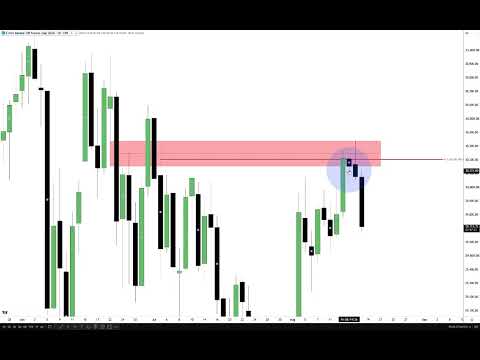
- Discussion about price action on Wednesday, highlighting a significant wick above a key level.
- Importance of anchoring trades to weekly or daily charts for higher probability setups.
- Emphasis on personal trading philosophy; no need for external validation.
Bullish vs. Bearish Sentiment
- Current market position suggests potential for further downside unless specific bullish levels are breached.
- Transitioning into hourly chart analysis to identify inefficiencies and trade opportunities.
- Mention of missed trading opportunities due to timing issues with market execution.
Observations from Live Streams
- Commentary on student live streams where viewers push for long positions despite bearish signals.
- Insight into how crowd sentiment often misguides traders, leading them away from profitable decisions.
- Personal experiences shared regarding managing students' trades without fostering dependency.
Trading Psychology and Market Dynamics
- Analysis of retail trader behavior during live streams; tendency to chase price movements incorrectly.
- Advice for live streamers: ignore chat distractions as they can skew market perception.
- Noting that public sentiment is often wrong, especially when it comes to breakout strategies.
Technical Analysis Insights
- Observations made during 9:30 candle open; identifying key resistance levels based on previous imbalances.
- Explanation of how different time frames interact with each other in determining market direction.
- Highlighting the importance of understanding daily inefficiencies in making trading decisions.
Execution Strategies
- Discussing missed opportunities due to not being present at critical moments in the market.
- Clarifying how annotations made during recordings reflect real-time decision-making processes.
- Sharing insights about personal notepad usage for tracking important levels and notes while trading.
Maintaining Individual Trading Styles
- Encouragement for students to develop their own unique models rather than copying others’ methods.
- Emphasizing that personal notes should remain private to avoid distraction from learning.
- Reiterating that sharing too much information can hinder individual growth in trading skills.
Daily Chart Analysis Recap
- Revisiting daily chart observations and confirming current price action against previous predictions.
- Identifying areas where price failed to maintain upward momentum, indicating bearish sentiment.
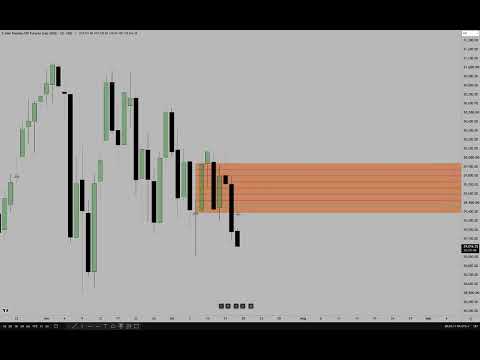
- Discussing implications of hitting lower quadrants within identified inefficiencies in the market structure.
Validating Trade Decisions
- Explaining how first utilization validates bearish setups after breaking below key support levels.
- Noticing patterns that indicate potential reversals or continuations based on candlestick formations.
- Detailing how lunch macro influences market dynamics around specific times throughout the day.
Risk Management Techniques
- Sharing risk management strategies employed during volatile periods in the market environment.
- Highlighting importance of setting stop losses effectively based on recent price action trends.
- Discussing psychological aspects involved when executing trades under pressure or uncertainty.
Market Analysis and Technical Insights
- Discussion on PD array and adjustments to exit points based on market contracts.
- Market behavior observed during lunch macro; fair value gaps analyzed.
- Price movements indicate potential for further declines after closing below key levels.
Market Dynamics and Retail Perception
- Time distortion noted as market attempts higher, but fails to break key resistance.
- Retail traders misinterpret price action as bullish despite bearish signals from bodies.
- Importance of open and close prices emphasized; they reveal true market sentiment.
Fair Value Gaps and Market Behavior
- Observations on buy side imbalance indicating bearish trends in the market.
- Price retraces to inefficiency lows, signaling potential breakdown at 4:00 PM.
- Future liquidity pools identified; potential for significant price movement overnight.
Reflection on Trading Week
- Positive feedback on technical analysis execution throughout the week.
- Emphasis on understanding trading logic for quicker learning outcomes.
- Encouragement to engage with material consistently for better comprehension.
Turn any video into a summary like this
YouTube links, meetings, lectures. With transcripts, search, and chat.