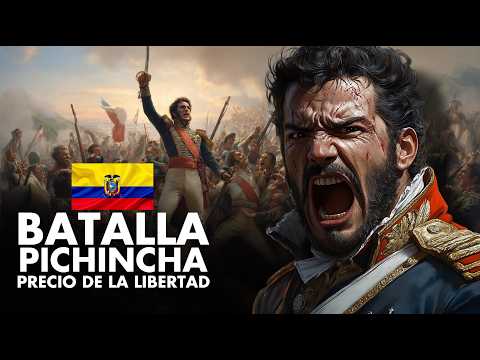
24 de Mayo de 1822: La Batalla de Pichincha - Victoria Decisiva para la Independencia de Quito
The Battle of Pichincha: A Turning Point in Ecuadorian History
Prelude to the Battle
- The morning of May 24, 1822, saw Quito awakening to a significant historical moment as two armies prepared for battle at the foot of the Pichincha volcano.
- General Antonio José de Sucre, only 27 years old, led the liberating army of approximately 3,000 men after a grueling campaign from Guayaquil.
- The night before was tense; patriot troops ascended the treacherous western flank of Pichincha under Colonel José María Córdoba's command while maintaining silence to avoid detection by royalist forces.
Forces and Strategies
- Sucre coordinated his troops' advance with British soldiers from the Legion Británica under Colonel James Rook contributing European military discipline.
- Brigadier Melchor Aimerich commanded about 2,000 well-trained royalist troops who were familiar with the terrain and had fortified their defenses despite not expecting an attack from that direction.
- Captain Francisco Jiménez expressed confidence in facing Sucre's forces but remained unaware of their advantageous positioning on high ground overlooking Quito.
Tactical Positioning
- By dawn on May 24, patriots held a strategic position capable of attacking Quito but faced risks due to limited escape routes if overwhelmed. Sucre emphasized the stakes during his final briefing to officers.
- Young Lieutenant Abdón Calderón and other key leaders like Colonel John Ellingworth were present among Sucre’s ranks as they prepared for combat against royalist reinforcements sent by Aimerich.
Initial Engagement
- The first shots were exchanged around 9 AM when scouts encountered each other in dense Andean forests leading to widespread fighting across difficult terrain characterized by steep slopes and thick vegetation.
- Córdoba led an initial charge against fortified royalist positions while sustaining casualties yet maintaining formation amidst heavy fire from López's forces aiming to exhaust them through attrition tactics.
Escalation of Combat
- By 10 AM, combat spread over several kilometers along Pichincha’s western slope; visibility was hampered by smoke and natural mist complicating communication between units amid chaos.
Battle of Pichincha: A Turning Point in Ecuador's Independence
The Battlefield Dynamics
- Calderón, despite severe injuries from blood loss, commands his troops to advance against the British Legion, who are engaged with elite royalist infantry.
- The British veterans maintain disciplined fire but suffer significant casualties from elevated royalist sharpshooters. Colonel Rook is injured yet continues to lead his men.
- Sucre decides to deploy reserves led by Colonel José Mí, an experienced officer who launches a decisive charge against the royalist center.
Key Tactical Movements
- The Alto Magdalena battalion, primarily composed of Colombians and Venezuelans, advances under heavy enemy fire without faltering, disrupting royalist positions.
- Colonel López attempts to reorganize his troops but is thrown off balance when he is unseated by a bullet hitting his horse, causing confusion among his men.
- Córdoba orders a renewed assault on the left flank as news of López's fall spreads panic within the royalist ranks.
Rising Tensions in Quito
- In Quito, families prepare for potential disaster while independence supporters await news anxiously. Aimerich receives troubling reports about troop pressures on the mountain.
- Aimerich contemplates sending reinforcements but ultimately decides to dispatch the Aragón battalion as a last resort to prevent losing the battle.
Climax of Combat
- Lieutenant Calderón endures multiple injuries yet remains steadfast in directing his men’s fire; his bravery inspires those around him amidst intense fighting.
- By 2 PM after five hours of combat, royalist units begin retreating under pressure from patriot forces like Paya and Alvión despite heavy losses suffered by the British Legion.
Conclusion of Battle and Aftermath
- The arrival of Aragón battalion at 2:30 PM proves too late; they encounter disorganized units blocking their path as morale crumbles among royalists.
- Realizing defeat is imminent, Colonel López orders a general retreat towards Quito while being pursued by patriots celebrating their victory.
- Despite sustaining serious wounds during battle, Lieutenant Calderón learns of their victory before losing consciousness; he later dies from injuries sustained in combat.
The Battle of Pichincha: A Turning Point in Ecuador's Independence
The Capitulation and Its Terms
- On May 24, 1822, negotiations concluded with the signing of the capitulation at 11 PM. The terms were generous for the royalist officers, allowing them to keep their swords and choose between joining the patriot army or returning to Spain.
- Soldiers wishing to remain in America could do so as free citizens, indicating a strategic approach to ensure minimal resistance post-battle.
Triumph in Quito
- The following morning, on May 25, Sucre and his officers entered Quito triumphantly. The local population celebrated openly after years of secretly supporting independence.
- General Sucre established his headquarters at the presidential palace and informed Simón Bolívar in Colombia about the victory and Quito's adherence to Gran Colombia.
Significance of Victory
- The victory at Pichincha liberated northern South America from Spanish rule, with only pockets of royalists remaining in Peru and Alto Perú (modern-day Bolivia).
- Celebrations followed; on May 29, a solemn tedeum was held in the cathedral to give thanks for the victory. This day also marked Quito's official incorporation into Gran Colombia.
Casualties and Legacy
- The battle resulted in approximately 200 deaths and 400 injuries among patriots while royalist losses were similar plus around 11 prisoners taken. Lieutenant Abdón Calderón became a symbol of Ecuadorian valor.
- This victory not only secured Ecuador’s independence but also paved the way for liberation campaigns in Peru and Bolivia.
Historical Context
- Quito had witnessed its first cry for independence on August 10, 1809. Thirteen years later, it finally achieved freedom through Pichincha.
- The mountain Pichincha transformed from a mere landscape feature into a powerful symbol of freedom and determination for Ecuadorians.
Bolívar's Visit and Cultural Impact
- In subsequent months, Simón Bolívar visited Quito as a hero. During this time he met Manuela Sáenz, who would become an important figure in his life.