Part 1 \ High Precision Secrets To Intraday Price Action
Market Overview and Personal Reflections
Introduction
- Good morning message to the audience, expressing hope for their well-being and learning experiences over the week.
- Acknowledgment of a distraction during a previous recording due to personal circumstances involving his wife.
Emotional Insights
- Discussion on the emotional weight of managing students' struggles in trading, emphasizing that it can be hard to ignore these issues despite initial callousness.
- The speaker shares feelings about the challenges faced by traders and how they impact him personally.
Trading Concepts Explained
Time-Based Ranges
- Explanation of time-based ranges in trading, highlighting their specific start and end times similar to market sessions.
- Emphasis on understanding algorithms within defined time frames for effective trading strategies.
Pre-session Importance
- The significance of the two-hour window before market opening (7:00 AM - 9:00 AM Eastern) is discussed as crucial for traders. This period can define successful trading careers if utilized effectively.
- Encouragement for traders to focus solely on this timeframe rather than other sessions if it suits them best.
Analyzing Market Movements
Chart Analysis
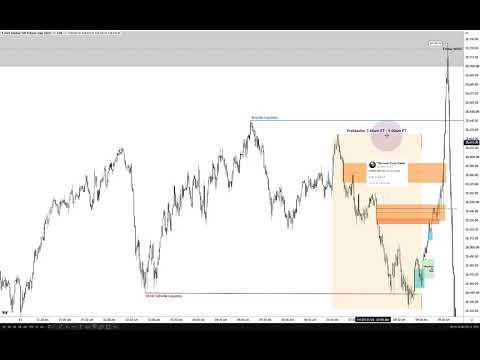
- Reference to specific chart points including relative equal lows and buy-side imbalances that were noted during analysis. Discussion includes a tweet made at 8:14 AM regarding market observations from bed.
- Description of price movements around various gaps and inefficiencies, illustrating how they influence trading decisions throughout the session.
Algorithmic Trading Insights
- Assertion that buying and selling pressure is often misunderstood; he encourages viewing market behavior through an algorithmic lens without needing belief in its existence as a controlling force.
- Clarification that understanding these tools is more important than debating their theoretical underpinnings; practical application is key for traders regardless of belief systems about algorithms or pressures in markets.
Utilizing Specific Time Frames
Defining Ranges
- Discussion on why certain highs or lows are not significant outside defined time-sensitive ranges, reinforcing the importance of focusing on specific periods like 7:00 AM - 9:00 AM for accurate predictions and analyses.
Fibonacci Application
- Explanation of using Fibonacci retracement levels anchored between identified highs and lows within specified timeframes to project potential price movements accurately, demonstrating practical application with examples from recent trades.
Execution Strategies
Trade Execution
- Detailed walkthrough of executing trades based on identified levels from previous analyses, emphasizing precision in timing and decision-making processes post-market open at 9:01 AM.
Anticipation vs Reaction
- Highlighting the difference between anticipating market moves versus reacting impulsively; stressing preparation leads to better outcomes rather than emotional responses during volatility.
Conclusion
Final Thoughts
- Reiteration that understanding complex concepts requires effort but can lead to significant advantages in trading success; encouraging viewers not to shy away from detailed study.
- Reminder that while many may claim expertise, true understanding comes from deep engagement with material beyond surface-level knowledge.
Proving Authenticity in Trading Strategies
The Challenge of Validation
- The speaker emphasizes the importance of proving the authenticity of trading strategies, stating that many do not take this step seriously.
- They claim to have rebranded a long-standing methodology that others fail to replicate effectively, highlighting their unique trading results.
Market Analysis and Predictions
- A specific short trade is discussed, where the speaker took partial profits as prices dropped to a significant low during a defined time range (7:00 to 9:00 AM Eastern).
- The target price of 28,400 was communicated via social media prior to market movements, showcasing foresight in predictions despite skepticism from observers.
Understanding Market Psychology
Anticipating Market Movements
- The speaker discusses expectations for price movements before market openings, suggesting traders should anticipate reaching relative highs before declines occur.
- They criticize casual observers who mock their predictions without understanding the underlying concepts or market dynamics involved.
Engaging with Criticism
- The speaker welcomes negative commentary as it generates attention and curiosity about their methods among new audiences. This approach is framed as a strategic marketing tactic.
- They liken critics to marionette puppets whose reactions inadvertently promote their teachings through increased visibility and discussion online.
Teaching Methodology and Student Engagement
Addressing New Students
- Acknowledging both new students and seasoned followers, the speaker encourages thorough investigation into their teachings rather than accepting opinions from detractors without evidence.
- Emphasis is placed on demonstrating predictive capabilities in trading as a measure of effectiveness versus hindsight analysis. This distinction is crucial for student learning outcomes.
Building Trust Through Transparency
- The speaker urges potential students to critically evaluate whether they can find fault in their methodologies after conducting independent research on market predictions made by them.
- They assert that even if one does not like them personally, the superiority of their teaching methods remains unmatched within the industry context.
Market Dynamics and Trading Concepts
Addressing Doubts About Teaching Relevance
- There are ongoing doubts regarding the relevance of smart money concepts taught by the speaker amidst criticism from various sources online who wish for these ideas to fail.
- The importance of anticipating market behavior based on established patterns over time is reiterated; successful trades are often publicized well ahead of execution times for transparency purposes.
Understanding Price Action
- An explanation follows regarding how fluctuations between key timeframes contribute meaningfully to overall trading strategy development; every movement has rationale behind it according to pre-established ranges and patterns observed historically in markets.
Psychological Insights into Trading Behavior
Social Media Influence
- Online platforms amplify individuals' superiority complexes which can distort perceptions about effective trading strategies; this dynamic affects how traders engage with each other.
Emotional Responses
- The speaker reflects on emotional responses elicited by criticism while framing such interactions as part of an overarching strategy designed for growth through engagement.
The Role of Attention Span in Learning
Short Attention Spans
- Acknowledgment that modern audiences often possess shorter attention spans necessitates innovative teaching approaches aimed at maintaining engagement throughout lessons.
Cultivating Interest
- By provoking thought or emotional response through controversial statements or actions, educators can draw learners into deeper exploration beyond surface-level understanding.
Navigating Criticism and Misunderstanding
Persona Management
- Discussion around managing public persona amid criticism reveals insights into balancing educator roles while engaging with detractors strategically.
Effective Communication
- Importance placed upon clear communication styles that resonate with diverse audience members while addressing misconceptions surrounding teaching methodologies employed by speakers themselves.
This structured markdown file captures essential discussions from the transcript chronologically while providing timestamps linked directly back to relevant sections for easy reference during study sessions or reviews!
Turn any video into a summary like this
YouTube links, meetings, lectures. With transcripts, search, and chat.