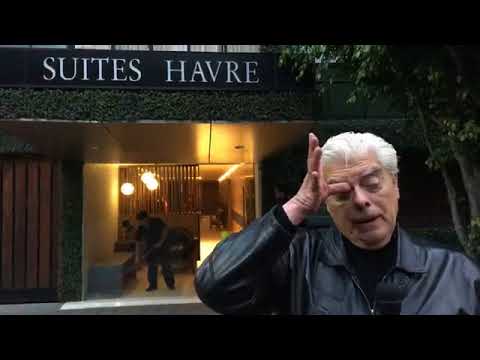
ENTREVISTA A GUILLERMO GONZÁLEZ CAMARENA
Tribute to Guillermo González Camarena
Introduction and Background
- The speaker expresses gratitude for the presence of Guillermo González Camarena, son of the inventor of color television, as they commemorate his father's 101st birthday.
- The family moved from Guadalajara to Mexico City when Guillermo was one year old due to inadequate cancer treatment available at that time.
Early Life and Curiosity
- Guillermo González Camarena was born in Guadalajara in 1917 and showed an early interest in technology, creating a power plant at home to ensure consistent electricity supply.
- By age 12, he developed a seismic alarm and built his first radio transmitter while exploring the nascent field of television.
Invention of Color Television
- At 17 years old, he constructed his first television system using primary colors (red, green, blue), which laid the foundation for modern color broadcasting.
- He patented his invention in Mexico in 1940 but faced financial challenges when trying to patent it in the U.S., eventually funding it through music royalties from a song he composed.
Establishing Television Broadcasting
First Experimental Station
- In 1946, he inaugurated Mexico's first experimental television station but initially struggled with regulatory approval for broadcasting. He received permission under call sign X1GC on channel 5.
- His broadcasts included educational programs and presidential reports, showcasing the potential of television for public information dissemination.
Advancements in Medical Education
- In 1952, he established the world's first color television station dedicated to medical education at UNAM (National Autonomous University of Mexico), allowing live surgeries to be broadcasted for training purposes.
Commercial Success and Challenges
Launching Commercial Channels
- By 1952, Camarena launched commercial channel XH5 competing against other channels; however, later faced challenges leading to a merger among channels due to competition pressures.
- His innovations were recognized internationally as he exported advanced technology like color TV systems to institutions such as Chicago University.
Patenting Innovations
- He patented several advancements including a simplified bicolor system that became widely adopted globally; this innovation significantly reduced costs compared to existing American systems like NTSC.
Tragic Loss and Legacy
Untimely Death
- Tragically, Camarena died in an accident in April 1965 before realizing his vision for widespread color broadcasting during events like the Olympics; this led Mexico to adopt U.S.-based systems instead of his own innovations posthumously.
Lasting Impact on Technology
- Despite setbacks after his death, his inventions influenced global standards for color transmission; NASA even utilized aspects of his technology for space missions demonstrating its significance beyond entertainment media.
Evolution of Television
Changing Landscape
- The speaker discusses how viewership patterns have shifted with audiences now preferring on-demand content over traditional broadcasts; this has forced networks to adapt or risk obsolescence amidst rising social media platforms offering instant access to information and entertainment.(1105]
Importance of Credibility
- As misinformation spreads rapidly online, traditional media must enhance its credibility by providing reliable news sources amid growing skepticism towards unverified online content.(1195]
Personal Reflections
Family Influence
- The speaker shares personal anecdotes about their father’s curiosity-driven nature and creativity which inspired them throughout their life; highlighting how family gatherings often revolved around music and invention.(1474]
Educational Philosophy
- Emphasizing their father's belief that education should be engaging rather than dull; he aimed for educational programming that entertained while informing viewers about important topics.(1711]
Reflections on Television and Personal Aspirations
Early Aspirations and Family Influence
- The speaker recalls being asked about their career aspirations at age 10, expressing a desire to work in television. A family member responded seriously, suggesting that it would be better for them to pursue other paths.
- The speaker reflects on their father's experience with television, noting he lost his channel due to business struggles and lacked the capital to reinvest, leading to a diminished stake in what was once a pioneering venture.
Discontent with Television's Evolution
- The father founded Mexico's first television channel but became dissatisfied with the industry's shift away from social and educational purposes, which he valued highly.
- The speaker discusses how television has become manipulative, influencing consumer choices without user control, contrasting this with the perceived freedom of digital platforms.
The Shift Towards Digital Media
- There is an acknowledgment of the changing media landscape where viewers now have more freedom in content selection through digital means compared to traditional television.
- The rapid adoption of smartphones is highlighted; it took only ten years for mobile technology to reach levels that took television seventy years, indicating a significant shift in media consumption habits.