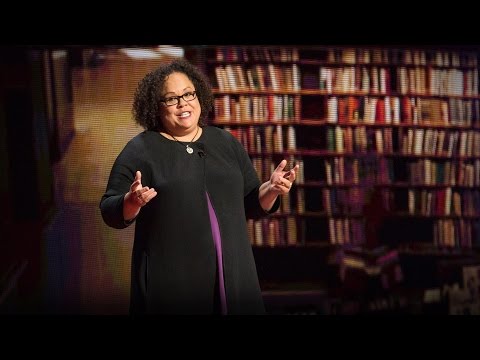
How to Raise Successful Kids -- Without Over-Parenting | Julie Lythcott-Haims | TED
Introduction
The speaker explains that they are not a parenting expert and are not particularly interested in parenting. However, they believe that a certain style of parenting is negatively impacting children's development.
Parenting Style and its Impact
- A certain style of parenting is hindering children's chances to develop into themselves.
- There is harm in overprotective parenting where parents micromanage every aspect of their child's life.
- While it is important for parents to be involved, there can be negative consequences when parents excessively control and direct their child's path.
Checklisted Childhood
The speaker discusses the concept of a "checklisted childhood" where children are constantly pushed to achieve perfection in academics, extracurricular activities, and college admissions.
Characteristics of a Checklisted Childhood
- Children have no time for free play as every moment needs to be enriching.
- Parents focus on academic achievements, grades, accolades, awards, sports, and leadership roles.
- Pressure is placed on children to excel academically and participate in numerous activities for college admissions.
- Parents become overly involved in their child's life by arguing with teachers, coaches, and referees.
- Children feel constant pressure from parents to meet high expectations and fear making mistakes or closing doors for their future.
Effects on Children
The speaker describes the impact of the checklisted childhood on children's well-being and mental health.
Effects on Children
- Lack of time for free play leads to increased anxiety and depression among children.
- Children feel valued based on their grades rather than their overall well-being or interests.
- High school students prioritize getting into the right college over exploring personal interests or passions.
- Children become anxious about their grades and worry about their future college prospects.
- The pressure and expectations placed on children lead to burnout, anxiety, and a sense of worthlessness.
Parental Perspective
The speaker reflects on the motivations behind this parenting style and the fear parents have regarding their child's future.
Motivations Behind Checklisted Childhood
- Parents believe that their child's future success depends on getting into specific colleges or careers.
- Some parents are driven by the desire to brag about their child's achievements to others.
- Fear of their child not having a successful future leads parents to push for perfection in academics and extracurricular activities.
Conclusion
The checklisted childhood places immense pressure on children to meet high expectations in academics, extracurricular activities, and college admissions. This parenting style can negatively impact children's well-being, mental health, and overall development. It is important for parents to strike a balance between involvement and allowing children the freedom to explore their own interests and passions.
Self-Efficacy and Success
In this section, the speaker discusses the importance of self-efficacy in children's development and success.
Building Self-Efficacy
- Self-efficacy is developed when children see that their own actions lead to outcomes. It is more important than receiving applause or external validation.
- Children need to engage in thinking, planning, deciding, doing, hoping, coping, trial and error, dreaming, and experiencing life for themselves in order to develop self-efficacy.
Broadening the Definition of Success
- The focus should not solely be on grades, scores, accolades, and awards as measures of success. This narrow definition limits children's potential for success.
- Parents should be less concerned about specific colleges or careers their children may pursue and more concerned about developing habits, mindset, skill set, and wellness that will lead to success wherever they go.
Importance of Love and Chores
- The longest longitudinal study conducted found that professional success comes from having done chores as a child. A roll-up-your-sleeves-and-pitch-in mindset contributes to workplace success.
- Happiness in life comes from love - love for others and oneself. Childhood should teach children how to love by offering them unconditional love.
Balancing Academics with Connection
- Parents should prioritize connecting with their children rather than being obsessed with grades and scores. Engaging in meaningful conversations about their day shows that they matter as individuals beyond academic achievements.
College Choices
- Contrary to popular belief perpetuated by college rankings, attending a big brand-name school is not necessary for happiness and success in life. Happy and successful people come from various educational backgrounds.
New Section - The Importance of Allowing Children to Thrive
In this section, the speaker emphasizes the importance of allowing children to live their childhood freely and independently, rather than conforming to societal expectations. They share a personal anecdote about their own parenting approach and highlight the need to support children in becoming their authentic selves.
Treating Children as Bonsai Trees
- The speaker admits that they used to treat their own children like bonsai trees, trying to shape them into perfect individuals for admission into highly selective colleges.
- However, they have come to realize that children are not meant to be molded but rather nurtured in a supportive environment.
- The speaker compares their children to wildflowers of an unknown genus and species, emphasizing the uniqueness and individuality of each child.
Supporting Children's Growth
- It is the speaker's role as a parent to provide a nourishing environment for their children's growth.
- This includes assigning chores and expressing love so that they can develop the ability to love others and receive love.
- The speaker believes that it is up to the children themselves to choose their college, major, and career paths.
- Rather than imposing their own desires on their children, the speaker's job is to support them in becoming their true selves.
New Section - Embracing Individuality in Parenting
In this section, the speaker continues discussing their parenting philosophy centered around embracing individuality. They emphasize that every child is unique and should be allowed to flourish according to their own interests and passions.
Embracing Wildflowers
- The speaker reiterates that each child is like a wildflower of an unknown genus and species.
- Their role as a parent is not to dictate what path the child should take but rather provide support for them in discovering and pursuing their own passions.
Allowing Personal Growth
- The speaker shares that they have worked with thousands of other people's children and have come to the realization that imposing one's desires on them is not beneficial.
- Instead, parents should focus on providing a nurturing environment that allows for personal growth and self-discovery.
Supporting Glorious Selves
- The speaker concludes by stating that their job as a parent is not to make their children become what they want them to be.
- Rather, it is their responsibility to support their children in becoming their glorious selves, embracing their unique qualities and aspirations.
Turn any video into a summary like this
YouTube links, meetings, lectures. With transcripts, search, and chat.