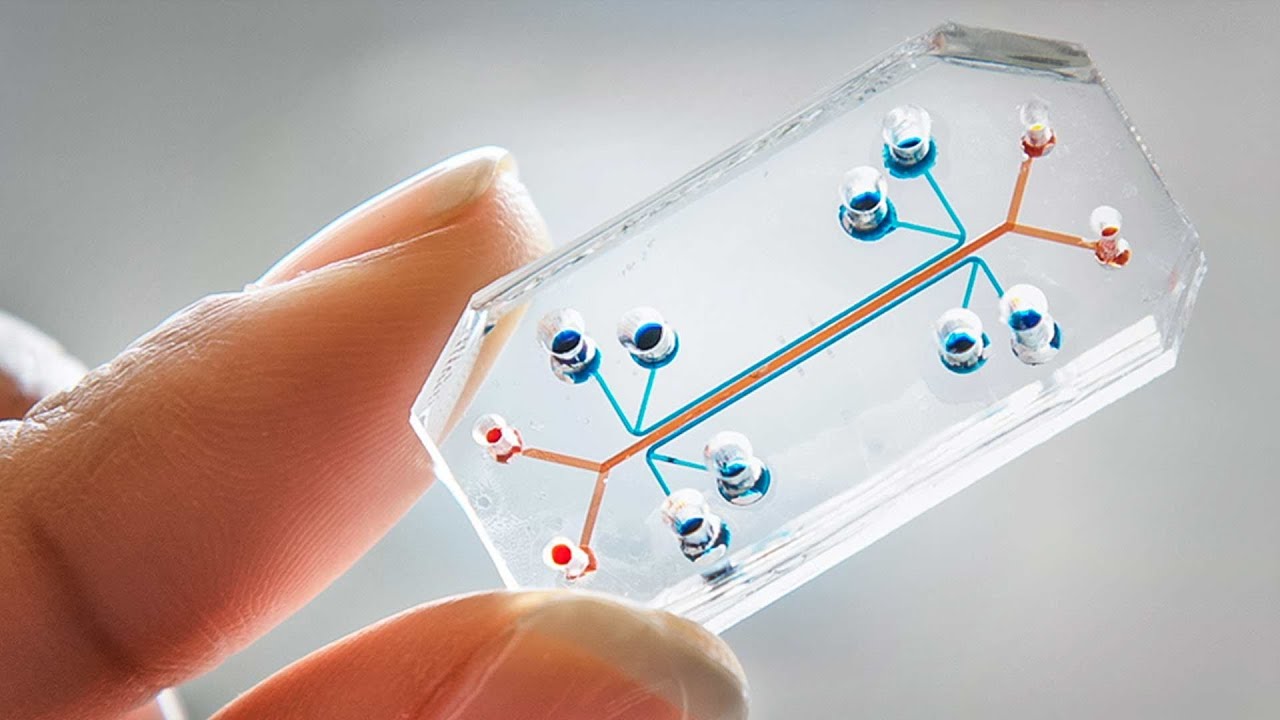
Geraldine Hamilton: Body parts on a chip
The Challenge of Drug Discovery and Development
In this section, the speaker discusses the current challenges in discovering and developing new drugs, including high costs, long timelines, and a high failure rate. These challenges result in patients not receiving necessary therapies and diseases going untreated.
Current Issues in Drug Discovery
- The current process of discovering and developing new drugs is costly, time-consuming, and often unsuccessful.
- Patients who need new therapies are not receiving them due to these challenges.
- Diseases are going untreated despite increasing investments in research and development (R&D).
Limitations of Current Testing Tools
This section focuses on the limitations of the tools currently used to test drug efficacy and safety before human clinical trials. The speaker highlights the failure of cells in dishes and animal testing to accurately predict outcomes in humans.
Cells in Dishes
- Cells taken out of their natural environment and placed in dishes do not function properly.
- The artificial environment provided by cell cultures does not accurately represent the conditions within the human body.
Animal Testing
- While animal models provide valuable insights into complex organisms, they often fail to predict human responses to drugs.
- There is a need for better tools that can accurately assess drug efficacy and safety.
Introducing Organ-on-a-Chip Technology
This section introduces organ-on-a-chip technology as a solution to overcome the limitations of current testing methods. The speaker explains how organ-on-a-chip devices can recreate dynamic environments for human cells outside the body.
Designing a Home Away from Home for Cells
- To keep cells happy outside our bodies, we need to become cell architects.
- Organ-on-a-chip technology aims to design, build, and engineer a home away from home for cells.
- The Wyss Institute has developed organ-on-a-chip devices, which mimic the smallest functional units of organs.
The Functionality of Organ-on-a-Chip
This section highlights the capabilities of organ-on-a-chip devices, using the example of a lung-on-a-chip. The speaker emphasizes that these devices contain living cells in a dynamic environment, allowing for various functionalities.
Living Human Lung on a Chip
- Organ-on-a-chip technology enables the creation of breathing, living human lungs on chips.
- These chips contain living cells that interact with different cell types in a dynamic environment.
- The functionality inside organ-on-a-chip devices is remarkable and can be used to mimic various biological processes.
Mimicking Infection on an Organ-on-a-Chip
This section demonstrates how organ-on-a-chip technology can be used to mimic infection and study immune responses. The speaker showcases the visualization of white blood cells responding to bacterial invasion in a lung-on-a-chip device.
Immune Response Simulation
- In an organ-on-a-chip device, infection can be mimicked by adding bacterial cells into the lung chamber.
- Human white blood cells, our body's defense against bacteria, can be introduced to observe their response.
- Visualization techniques allow us to witness immune responses within the chip, such as white blood cell migration and engulfment of bacteria.
Insights from Organ-on-a-Chip Technology
This section discusses insights gained from studying cells within organ-on-a-chip devices. The speaker highlights the presence of cilia in small airway cells and their role in removing mucus from the lungs.
Understanding Cell Behavior
- Organ-on-a-chip technology provides valuable information about cell behavior within the chips.
- Small airway cells in the lung-on-a-chip exhibit hairlike structures called cilia, which help move mucus out of the lungs.
- Mucus plays an important role in trapping harmful particles and potential allergens.
By utilizing organ-on-a-chip technology, researchers can overcome the limitations of current drug testing methods and gain valuable insights into human biology.
Introduction to the Chip and its Functionality
The speaker introduces a chip that can be used to mimic infections and demonstrates its functionality.
Chip's Potential Applications
- The chip has the potential for incredible functionality.
- It can be used to mimic infections by adding bacterial cells to the lung.
- Human white blood cells can also be added to simulate the body's defense against bacterial invaders.
Role of White Blood Cells
- White blood cells are our body's defense mechanism against invaders.
- When they sense inflammation due to infection, they enter the lung from the blood and engulf bacteria.
Live Demonstration on a Real Human Lung Chip
- The speaker shows a live demonstration of white blood cells flowing in a real human lung chip.
- The white blood cells are marked with green fluorescence for easy visualization.
- When they detect an infection, they start sticking together and try to enter the lung from the bloodstream.
Visualization of White Blood Cell Movement
- The movement of a single white blood cell is observed as it adheres and moves through layers of cells via pores.
- Eventually, it reaches the other side of the membrane and engulfs bacteria marked in green.
Fundamental Response of Our Body to Infection
The speaker discusses how our body responds to infections through immune responses.
Significance of Immune Response
- Our body has fundamental responses, such as immune responses, to fight against infections.
- These immune responses play a crucial role in protecting our health.
Image Showing Cellular Activity Inside Chips
An image showing cellular activity inside chips is shared, providing valuable information about cell behavior.
Insights from Cellular Activity Image
- The image reveals structures similar to cilia found in small airways in our lungs within these chips.
- Cilia help move mucus out of the lungs, playing an important role in maintaining respiratory health.
Importance of Mucus
- Although mucus may seem unpleasant, it serves a vital purpose.
- It traps particles, viruses, and potential allergens.
Function of Cilia
- The small cilia move and transport mucus out of the lungs.
- When damaged, for example by cigarette smoke, they cannot effectively remove mucus.
Conclusion
The chip technology showcased in the video has immense potential for studying infections and immune responses. By mimicking infections and visualizing cellular activity, researchers can gain valuable insights into how our body defends against invaders. Additionally, understanding the role of cilia and mucus in lung health is crucial for maintaining respiratory well-being.
The Importance of Eyelashes and Mucus Cleansing
This section discusses the significance of eyelashes and mucus cleansing in the body.
Eyelashes as a Protective Barrier
- Eyelashes play a crucial role in protecting the eyes from foreign particles and debris.
Mucus Cleansing Mechanism
- The body has a dynamic mechanism to clear mucus, which helps maintain respiratory health.
- Understanding this mechanism can revolutionize not only the pharmaceutical industry but also various other industries, including cosmetics.
- Skin-on-a-chip technology can potentially be used to test the safety of ingredients in cosmetic products without animal testing.
Potential Applications of Organ-on-a-Chip Technology
- Organ-on-a-chip technology, such as skin-on-a-chip, can be utilized to test the safety of chemicals we are exposed to daily, like household cleaning products.
- It can also be used for applications related to bioterrorism or radiation exposure.
- Organs-on-chips have the potential to advance our understanding of diseases like Ebola and SARS.
- Furthermore, this technology could potentially change how clinical trials are conducted in the future by allowing testing on diverse populations rather than just middle-aged females.
The Team Behind Organ-on-a-Chip Technology
This section introduces the team responsible for developing organ-on-a-chip technology at Wyss Institute.
Multidisciplinary Collaboration
- The team consists of engineers, cellular biologists, and doctors who work together at Wyss Institute.
- Their collaboration and convergence of disciplines have led to remarkable advancements in organ-on-a-chip technology.
Conclusion
This section concludes the transcript by highlighting the convergence of disciplines at Wyss Institute.
- The development of organ-on-a-chip technology represents a significant convergence of various disciplines.
The transcript provided does not contain timestamps for all sections.
The Way We Do Engineering and Construction
This section discusses the approach to engineering and construction.
The Approach to Engineering and Construction
- The speaker emphasizes the importance of understanding how engineering is done and how construction is carried out.
- It is crucial to consider the methods and processes used in engineering and construction.
Timestamp Title
...
Subtopic Title
- Bullet point description of key points and insights.
- Each bullet point should be concise, with no more than 25 words.
- Use timestamps to link to corresponding parts of the video using the format.
Repeat the above structure as necessary, organizing your notes with subheadings and bullet points. Avoid mixing sections or including too many subsections.
Turn any video into a summary like this
YouTube links, meetings, lectures. With transcripts, search, and chat.