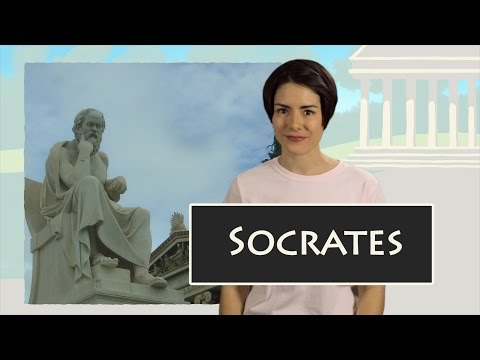
Socrates: Biography of a Great Thinker
Socrates: The Father of Western Philosophy
This section introduces Socrates, highlighting his background, lack of written works, and the challenges in understanding his life through second-hand accounts.
Socrates' Early Life and Occupation
- Socrates was born into a working-class family in ancient Greece around 470 BC.
- His father was a sculptor who taught him the stone-cutting trade.
- Socrates worked as a stonemason and served in the military before becoming a teacher upon retirement.
The "Socrates Problem"
- Socrates did not write any works himself; information about him comes from Plato, Xenophon, and Aristophanes.
- Known as the "Socrates Problem," understanding him is challenging due to limited historical writings during that era.
The Oracle's Proclamation
- An Oracle declared Socrates the wisest man, leading him to seek out wisdom among respected Athenians.
- Despite others' claims of knowledge, Socrates believed true wisdom lay in acknowledging one's ignorance.
The Legacy of Socratic Method
This section delves into Socrates' teaching approach, appearance, and eventual trial leading to his death.
The Socratic Method
- Rather than lecturing, Socrates engaged in dialogue by asking questions to uncover knowledge.
- His method involved exposing logical inconsistencies to guide both teacher and student towards understanding.
Trial and Death of Socrates
- Accused of atheism and corrupting youth, Socrates defended himself but was sentenced to death by the jury.
- Despite opportunities to escape punishment, he accepted hemlock poisoning as a testament to obeying laws.
Enduring Influence of Socrates
This final segment explores how despite his death, Socrates' ideas persisted through his disciples' writings and continued influence on philosophy.
Impact Beyond Death
- Plato and Xenophon preserved Socrates' teachings through their works posthumously.