UD2 Componentes fundamentales de los sistemas microinformáticos 12
Understanding RAM Types and Characteristics
Overview of RAM Types
- The discussion begins with an introduction to RAM, specifically comparing SRAM (Static Random Access Memory) and DRAM (Dynamic Random Access Memory), highlighting their speed differences.
- SRAM uses a compensator or capacitor for storage, which does not require periodic refreshing like DRAM, making it faster in certain applications.
- A visual summary is provided to illustrate the differences between SRAM and DRAM, emphasizing their primary use cases.
Focus on DRAM
- The conversation shifts to focus on DRAM, detailing its characteristics and market availability in various configurations such as 4GB, 8GB, etc.
- It is noted that while there are many types of DRAM, the most common type discussed is dynamic DRAM (DRAM), distinguishing it from static RAM.
Synchronization and Performance
- The advantages of using synchronous memory are explained; it operates in sync with system clock signals for improved performance.
- Historical context is given regarding the evolution of memory types and how synchronization has improved over time compared to older Northbridge systems.
DDR Memory Technology
- The current standard for RAM technology discussed is DDR (Double Data Rate), which allows data transfer at double the bus frequency.
- An example illustrates how DDR can operate at higher frequencies—e.g., a base frequency of 1.200 MHz allowing operation at 2.400 MHz.
Signal Synchronization
- A typical clock signal representation is introduced to explain how DDR utilizes voltage changes for data transfer efficiency.
- The concept of state changes during data transfers is elaborated upon, explaining how these transitions facilitate multiple data transfers per cycle.
DDR Evolution and Current Standards
Versions of DDR Memory
- Discussion includes the evolution up to DDR4 memory technology while mentioning that DDR5 exists but isn't widely adopted yet.
- Compatibility between processors and memory types is emphasized; specifications dictate what type of memory can be used effectively.
Module Design and Configuration
- An overview of module designs follows; different chip configurations are explained along with their implications on performance.
- Details about Dual Inline Memory Modules (DIMMs), including their structure with chips arranged on both sides for efficient contact points.
DIMM Variants
- Explanation continues into smaller DIMM variants that maintain similar technology but offer different physical sizes while still supporting 64-bit buses.
Memory Module Design and Specifications
Overview of Memory Module Features
- The design of memory modules includes specific features such as the number of yellow lines, notch position, and cutouts that ensure a secure fit for the memory module in its slot.
- Different DDR (Double Data Rate) standards have varying contact counts: DDR2 has 184 contacts, DDR3 has 240 contacts, and DDR4 has 288 contacts. These specifications are crucial for compatibility with devices like laptops.
Differences Between DDR Versions
- Notably, chips in newer versions may not align longitudinally; this affects how they connect to the motherboard. The width of the bus is also a factor in differentiating between versions like DDR3.
- The design features include a curved insertion edge which aids in the installation process of memory modules into their slots.
Visual References and Search Tips
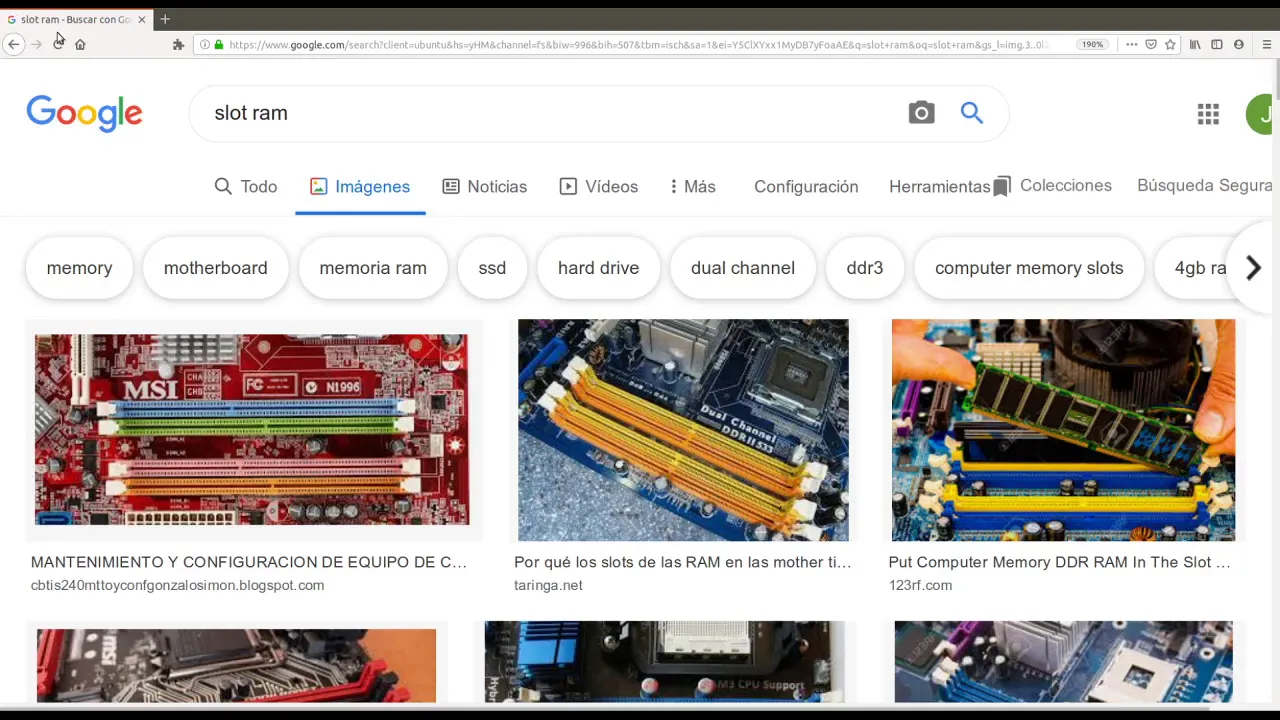
- Before concluding, viewers are encouraged to search for images online to visualize differences among various types of memory modules suitable for laptops or other devices.
- Specific models can be searched directly on websites like PC Componentes to find different configurations and specifications related to memory modules.
Performance Characteristics
- When filtering options by capacity (e.g., from 4GB to 8GB), users can observe variations in frequency performance. For instance, some modules operate without latency up to speeds of 2333 MT/s depending on their version.
Turn any video into a summary like this
YouTube links, meetings, lectures. With transcripts, search, and chat.