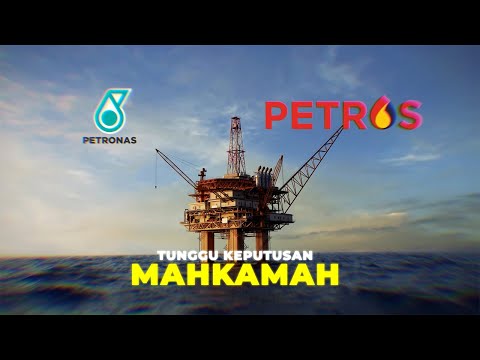
Petronas–Petros - Kenapa Wujud Kekeliruan Hak Minyak & Gas Sarawak?
Understanding the Sarawak-Petronas Conflict
Overview of the Conflict
- The dispute between Petronas and Petros is perceived not merely as a legal conflict but as a reflection of deeper issues regarding wealth distribution in Sarawak.
- Many locals feel that despite Sarawak's rich natural resources, the benefits are not equitably shared, leading to slow changes in their daily lives.
Perspectives on Resource Management
- The narrative surrounding this issue is shaped more by personal experiences than financial reports or legal arguments, highlighting disparities in daily life for Sarawakians.
- While Sarawak contributes significantly to national gas production, many rural areas still lack basic infrastructure and balanced development.
Role of Petronas
- Petronas is viewed as an external power managing state wealth, complicating perceptions of local benefit from resource extraction. This reflects broader national structures that influence local realities.
- In 2024, Petronas reported substantial profits and dividends to the federal government while being involved in various stages of gas value chains within Sarawak.
Economic Contributions and Local Impact
- The Bintulu LNG complex serves as a major economic driver for Sarawak, providing thousands of jobs directly and indirectly through local vendor chains. Petronas plans significant investments in new gas fields and supporting infrastructure in 2024.
- The commonly referenced 5% royalty rate symbolizes public sentiment about whether Sarawak's contributions are adequately recognized; it simplifies a much more complex financial structure into an easily understandable figure.
Emotional Support for Local Representation
- There is strong emotional backing for Petros among locals because it represents their interests more closely than Petronas does, aligning with calls for clearer management of oil and gas resources in the state.
- Legal actions taken against Petronas are interpreted by some as efforts to gain recognition and clarity regarding state rights over its resources, indicating unresolved issues related to state roles and rights remain prevalent among citizens.
Communication Gaps
- Ongoing negotiations often occur at high levels with technical details that do not resonate with everyday experiences of locals, creating information vacuums filled with speculation or misinterpretation.
- Despite long-standing collaborations between Petronas and the Sarawak government aimed at developing a local oil and gas ecosystem, there remains a disconnect between corporate activities and community understanding or involvement.
Workforce Participation
- A notable increase in local workforce participation has been observed; approximately 91% of over 42,200 staff employed by Petronas in Sarawak were locals as of 2023, reflecting positive trends towards local employment integration within the industry.
Financial Contributions to National Economy
- Beyond direct contributions to Sarawak’s economy through taxes and dividends, Petronas plays a crucial role nationally by funding public needs such as subsidies and development projects that also indirectly benefit Sarawakians.
Recent Official Clarifications
- An official statement made by Azalina Osman Said clarified that the Malaysia Agreement 1963 (MA63) lacks specific provisions regarding ownership or management oversight concerning oil and gas resources—an important point amidst ongoing discussions about resource governance in Malaysia.(342)
Petroleum Management in Malaysia: Legal Framework and Current Issues
Overview of Petroleum Entities and Legal Context
- Azalina discusses the role of petroleum entities like Petronas and Petros, highlighting that the management of petroleum in Malaysia is governed by the Petroleum Development Act 1974. This act grants Petronas exclusive rights to explore, exploit, and produce petroleum both on land and offshore.
Judicial Independence and Government Stance
- The federal government respects judicial independence regarding disputes involving Petronas and Sarawak, which are currently under court review. They commit to adhering to future court decisions, indicating a complex legal landscape surrounding this issue.
Responses from Sarawak Leadership
- Abang Johari Tun Openg emphasizes waiting for the court's decision while expressing confidence that oil and gas issues in Sarawak should be resolved legally without political speculation or pressure.
Public Concerns and Legal Foundations
- There is a clear public demand for transparency regarding oil and gas resource management in Sarawak. The state has its own legal frameworks such as DGO (Distribution of Gas Ordinance) and OMO (Oil Mining Ordinance), which serve as references for defending its interests.
Implications of the Discussion
- The ongoing discourse reflects broader implications for governance, resource management, and regional autonomy within Malaysia. It underscores the sensitivity surrounding these issues among various stakeholders while acknowledging contributions from different parties involved.