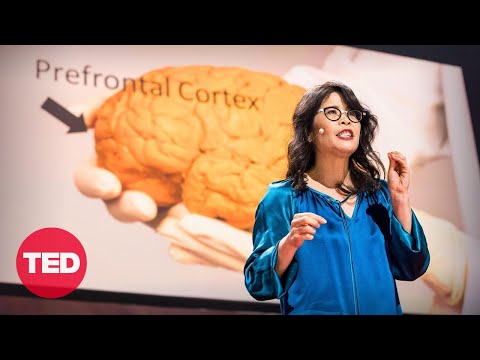
The Brain-Changing Benefits of Exercise | Wendy Suzuki | TED
The Transformative Power of Exercise on the Brain
Introduction to the Benefits of Physical Activity
- The speaker introduces a concept that immediate physical activity can positively impact brain function, mood, and focus.
- It is emphasized that these benefits are not only immediate but can also provide long-term protection against conditions like depression and dementia.
Personal Journey into Neuroscience
- The speaker shares their background as a neuroscience professor and how they conducted personal experiments to understand exercise's effects on the brain.
- Key brain areas discussed include the prefrontal cortex (responsible for decision-making and attention) and the hippocampus (critical for forming long-term memories).
Fascination with Memory Formation
- The speaker expresses curiosity about how fleeting moments can create lasting memories, particularly focusing on neuronal activity in the hippocampus during memory formation.
Shift in Research Focus Due to Personal Experience
- A significant change occurs when the speaker realizes their lack of social life and physical activity despite being successful in their research.
- After feeling weak during a river rafting trip, they commit to improving their fitness by attending various gym classes.
Discovering Exercise's Impact on Mood and Energy
- Following regular workouts, the speaker experiences notable improvements in mood and energy levels, leading to weight loss.
- A pivotal moment arises when grant-writing becomes easier due to improved focus and memory retention attributed to increased physical activity.
Scientific Validation of Personal Observations
- The speaker investigates existing literature confirming that exercise enhances mood, energy, memory, and attention—aligning with their personal experiences.
Conclusion: Exercise as a Transformative Tool for Brain Health
- The conclusion drawn is that exercise has immediate positive effects on neurotransmitter levels which enhance mood post-workout.
- A single workout can improve attention span significantly for at least two hours after exercising.
The Impact of Exercise on Brain Function
Immediate and Long-Term Benefits of Exercise
- A single workout can enhance reaction times, making you quicker in everyday situations, such as catching a falling cup. However, these immediate effects are temporary.
- To achieve lasting benefits, one must change their exercise routine to improve cardiorespiratory function, which leads to significant changes in brain anatomy and physiology.
- Long-term exercise is associated with increased attention function linked to the prefrontal cortex and improved long-term memory due to an increase in hippocampal volume.
- Regular exercise boosts mood by increasing levels of neurotransmitters that promote happiness; these effects can last for an extended period.
- Exercise acts as a protective factor against neurodegenerative diseases by strengthening the hippocampus and prefrontal cortex, delaying cognitive decline.
The Minimum Requirements for Effective Exercise
- While exercise is beneficial, one does not need to become a triathlete; engaging in aerobic activities three to four times a week for at least 30 minutes is sufficient for positive changes.
- Simple activities like walking or taking stairs can provide effective aerobic exercise without needing expensive gym memberships.
- The speaker aims to determine optimal exercise prescriptions tailored to individual needs based on age, fitness level, and genetic background for maximum brain health benefits.
Engaging the Audience Through Movement
- The speaker transitions from discussing research findings to actively involving the audience in a brief call-and-response exercise session designed to energize participants.
- Participants engage in simple movements while repeating affirmations about strength and inspiration, fostering a sense of community and motivation among attendees.
Turn any video into a summary like this
YouTube links, meetings, lectures. With transcripts, search, and chat.