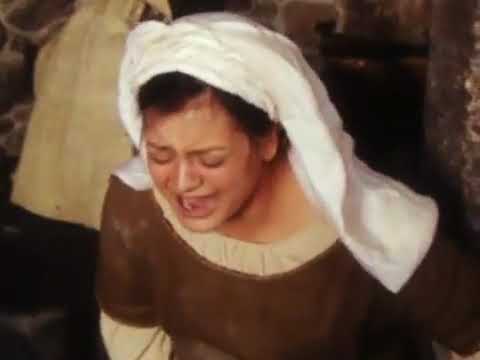
📼 Historias da Galiza | 10 | A historia de ser mulleres (Documentario Completo en Galego, 2007)
The Statue of Maria Pita and the History of the Heroine
This section introduces the statue of Maria Pita and questions whether she truly represents the spirit of Galician women. It explores the historical significance of Maria Pita in defending her city.
The Battle Against Admiral Drake's Troops
- In 1589, Admiral Drake's troops approached the city.
- The population resisted, but a soldier managed to open a wall.
- Maria Pita fought bravely against the British soldiers.
Maria Pita's Role in Galician History
- Maria Pita was a heroine who had a psychological effect on the British troops.
- Her story is part of Galicia's history alongside other notable women such as Queen Urraca, Rosalía de Castro, and Emilia Pardo Bazán.
Women's History in Galicia
This section discusses women's history in Galicia throughout different periods, from medieval times to the Second Republic. It highlights how women played important roles in various aspects of society.
Patriarchy and Women's Status
- Historically, Galician society has been patriarchal, with women often relegated to domestic roles.
- Greco-Latin authors portrayed women as slaves or property.
- Christian beliefs also reinforced gender discrimination but emphasized women's connection to land.
Women's Work and Productivity
- Women had a special relationship with land in Galicia.
- They were involved in productive and reproductive work that contributed significantly to the economy.
- Examples include working on land, raising livestock, and engaging in textile production.
Maria Martinez's Life
- Maria Martinez, a 22-year-old woman, worked on land while also being pregnant.
- She was responsible for domestic work and contributed to the household income.
- The document from 1337 reveals her contract with Joan Pérez and their shared responsibilities.
Gender Inequality in Land Ownership
This section explores gender inequality in land ownership and the legal dispositions that favored men over women. It highlights the struggles women faced in accessing and owning land.
Unequal Distribution of Land
- Around 75% of land contracts in Galicia did not grant equal rights to both spouses.
- Women were often forced to pay or give up their rights to land.
- Shaytos (landlords) had significant control over land distribution.
Maria Martínez's Responsibilities
- Maria Martínez worked on land, cared for livestock, and performed domestic tasks.
- Her diet relied on basic food like pan de centeo (rye bread).
- Despite her hard work, she had little financial gain.
Women's Work and Childbirth
This section focuses on women's work during childbirth and their roles as mothers. It discusses the challenges they faced and societal expectations placed upon them.
Textile Work and Motherhood
- Women played a crucial role in textile production during the Middle Ages.
- Maria Martínez fell ill while performing her household duties but received help from other women.
Representations of Birth
- Miniatures and representations of childbirth in medieval times depicted women giving birth with the assistance of midwives.
- These representations emphasized the importance of childbirth.
Women's Lives After Childbirth
This section explores the challenges women faced after childbirth, including their responsibilities and limited income-generating opportunities.
Recovery and Responsibilities
- Maria Martínez recovered well after giving birth but had to resume her daily tasks.
- She had to travel to other villages for domestic work and pay for her daughter's care.
Legal Dispositions for Wet Nurses
- Wealthy families often hired wet nurses to raise their children.
- Legal dispositions specified the duration of breastfeeding by these wet nurses.
Women's Occupations in the Past
This section discusses the occupations of women in the past and their roles in society.
Women's Occupations
- In the past, women had limited opportunities for work.
- Women often worked as woodworkers, selling their products in markets like Maestro de Santiago.
- Women were also involved in various commercial activities, such as selling goods and working as vendors.
- Some women participated in institutions like hospitals and shelters, providing assistance and support.
- Women were also present in artisan offices and engaged in artisanal activities.
Challenges Faced by Women Artisans
This section highlights the challenges faced by women artisans and their limited acceptance in the artisanal world.
Challenges Faced by Women Artisans
- The acceptance of women artisans was not widespread, especially during the time when most artisans were men.
- However, there were ordinances that granted certain rights to women artisans, allowing them to own property and engage in trade.
- Men predominantly worked as artisans while women took on roles such as servants or assistants.
- Men were primarily responsible for tasks related to warfare, while women took care of household responsibilities.
Female Workers in Fishing Industry
This section discusses the role of women in the fishing industry and their specific occupations within this field.
Female Workers in Fishing Industry
- Women had specific occupations within the fishing industry, such as unloading fish and working in artisanal offices.
- The work of women in the fishing industry was economically and socially challenging due to their dependence on their husbands.
- Women played a significant role in the growth of the fishing industry during the industrialization process.
Women's Work in Tobacco Factories
This section focuses on women's work in tobacco factories and the challenges they faced.
Women's Work in Tobacco Factories
- A significant number of women worked in tobacco factories, contributing to the industrialization process.
- The work conditions were often precarious, with long hours and low wages.
- Many women had to return to work at tobacco factories after facing difficulties finding other employment opportunities.
Challenges Faced by Female Workers
This section highlights the challenges faced by female workers, including physical labor and low wages.
Challenges Faced by Female Workers
- Female workers faced physical challenges while performing tasks that required strength and endurance.
- Donations played a crucial role in supporting slow industrialization processes, particularly in Galicia.
- Many female workers came from impoverished neighborhoods and had limited education.
The Role of Women in the Tobacco Factory
This section discusses the economic purpose behind substituting masculine work for feminine work in tobacco factories, and how civil wars impacted labor conditions.
Women's Work in Tobacco Factories
- Substituting masculine work for feminine work had an economic purpose to reduce production costs.
- Civil wars did not get organized until before 1916, but sociality societies played a role in protecting workers' rights.
Women's Empowerment and Labor Conditions
- Nela, a woman, started to take consciousness and strive for independence from men.
- Education became a fundamental instrument for improving the condition of women.
- In the 20th century, women gained access to education and entered various professions.
Ernestino Tero Sestelo: A Champion of Women's Education
This section highlights Ernestino Tero Sestelo's efforts to advance women's rights through education during the Second Republic.
Ernestino Tero Sestelo's Influence
- Ernestino Tero Sestelo was a director at the normal school of Ponte Vedra and president of provincial education. He advocated for women's education.
- The Second Republic saw significant progress in women's rights, including increased access to education and more female teachers.
Educational Initiatives
- New schools were created, and the number of teachers grew by 43% in Galicia during this time, with almost half being women.
- Ernestino Tero Sestelo was proud of initiatives such as colonies and scholarships that aimed to improve the quality of education.
Ernestino Tero Sestelo's Teaching Career
This section explores Ernestino Tero Sestelo's teaching career and his impact on students.
Ernestino Tero Sestelo as a Teacher
- Ernestino Tero Sestelo was born in the Mariner's Normal school, where he later became a teacher.
- He had a personal connection with his students and took pride in their achievements.
Educational Institutions and Ideas
- Ernestino Tero Sestelo taught at the normal school of Ponte Vedra, which followed progressive educational ideas from influential figures like Ortega Gasset and Luis de Zulueta.
- The Second Republic emphasized spreading education to a greater percentage of the population, resulting in the establishment of new schools and an increase in teachers.
New Section
This section discusses the role of a teacher who advocated for women's rights in Spain during the early 20th century.
The Teacher's Advocacy for Women's Rights
- The teacher was dedicated to promoting women's rights and fought for their equality.
- Various laws were passed to improve the condition of women, including maternity protection and non-discriminatory job opportunities.
- However, these advancements were hindered by the civil war and Francoism, which reversed some of the progress made.
- The teacher faced persecution from fascists and experienced suspension from her teaching position.
- Many measures were taken to suppress women's rights during Francoism, leading to a regression in their status.
- Despite setbacks, there were some positive developments such as the establishment of medical services for women.
...
Subtopic Title
- ...
- ...
- ...