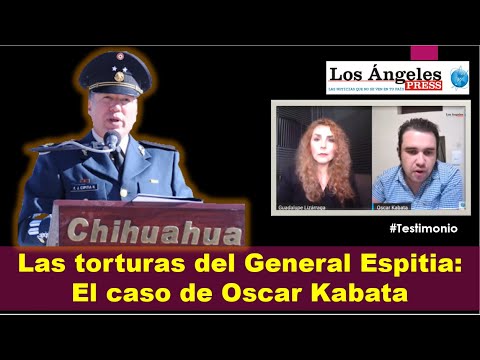
Testimonio de Oscar Kabata, sobreviviente de tortura del General Espitia
Introduction to Oscar Cava's Story
Background and Context
- Guadalupe Lizárraga introduces Oscar Cava, a survivor of torture by General Felipe de Jesús Espitia, highlighting the ongoing quest for justice after 12 years.
- Oscar was detained without a warrant or charges, describing his experience as being kidnapped and tortured by the Mexican army.
The Impact of Torture
- Oscar reflects on the long-term effects of his trauma, stating he lost significant years of his life due to this experience.
- He recounts the night he was abducted at age 17 while having dinner with a friend, leading to severe physical and psychological suffering.
Details of Torture Experience
Description of Events
- Oscar describes being taken to a military barracks in Ciudad Juárez where he endured nights filled with pain and screams from other detainees.
- He mentions a group called "los mecánicos," known for torturing individuals under General Espitia's orders.
Personal Accounts
- Oscar shares memories of his friend Víctor Manuel Vaca, who was also captured that night and later died from torture-related injuries.
- He vividly recalls the brutality they faced, including beatings every two hours and threats against their lives.
Witnessing Death
Víctor's Demise
- Oscar narrates witnessing Víctor’s death due to excessive beating, emphasizing the indifference displayed by their captors during this horrific event.
- He describes how he believed he would be next after seeing Víctor die in front of him.
Attempts at Confusion
Military Deception
- During an inspection visit authorized by military officials, Oscar notes discrepancies regarding helicopter presence during his captivity.
- He expresses frustration over attempts made by authorities to confuse him about details surrounding his detention.
Interactions with Captors
Complex Relationships
- One soldier named Manuel occasionally treated him kindly amidst the horror, which led Oscar to question if it was a form of Stockholm syndrome.
- Despite some kindness shown by Manuel, Oscar remained desperate for information on how to secure his release.
Duration and Conditions of Detention
Lengthy Captivity
- Oscar confirms that he spent nearly five days in captivity under brutal conditions marked by continuous beatings and psychological torment.
Torturous Methods
- Describes various forms of torture inflicted upon him and others during their time in captivity.
Aftermath and Release
Release Circumstances
- Discusses how another detainee named Ramiro was also tortured alongside them but eventually released under dubious circumstances involving false accusations.
Consequences Post-release
- Ramiro faced threats post-release which ultimately led to his murder months later.
Accountability Issues
Lack of Justice
-Oscar attributes responsibility for these atrocities directly to General Espitia while expressing frustration over continued impunity for military personnel involved.
Ongoing Struggles
-He highlights systemic issues within law enforcement that prevent accountability for military abuses against civilians.
Conclusion: Call for Action
Urgency for Change
-Oscar emphasizes the need for public awareness regarding military abuses in Mexico while calling out government complicity in protecting perpetrators.
Testimony of Injustice and Impunity
Personal Experience with Authorities
- The speaker recounts their efforts to seek help in Mexico City, emphasizing a lack of support from authorities, particularly a lawyer who ignored their pleas until they returned to Ciudad Juárez.
- Concerns are raised about potential collusion between military officials and the general Espitia, suggesting that both were involved in a group responsible for human rights violations.
- The speaker believes that an individual is deliberately obstructing justice by closing investigation files related to forced disappearances, indicating systemic issues within federal law enforcement.
Legal Proceedings and Human Rights Violations
- A citation was issued for the speaker to testify regarding their detention; however, they faced manipulation and intimidation from the prosecutor involved.
- The speaker expresses frustration over being pressured to justify their arrest rather than addressing the severe human rights abuses suffered by them and others during military detentions.
- They highlight the extraordinary nature of these events, especially concerning minors being subjected to illegal detentions without any formal charges.
Ongoing Threats and Family Safety
- The impact of violence extends beyond the individual; it has affected many family members, raising questions about state protection for victims of such crimes.
- Despite substantial evidence against perpetrators, there remains a troubling lack of accountability or justice within the system favoring military personnel implicated in abuses.
Escalating Violence and Intimidation Tactics
- The speaker describes ongoing threats against themselves and their family post-release from captivity, including attempts on their brother's life mistaken for theirs due to familial resemblance.
- They detail an incident where armed individuals attempted to abduct them after targeting their brother instead, showcasing persistent danger even with protective measures in place.
Institutional Failures and Lack of Support
- Despite having federal police escorts assigned for protection, there have been instances where security was abruptly withdrawn following violent incidents near their home.
- Communication breakdown with authorities leads to feelings of abandonment; despite repeated requests for assistance or clarification on security measures, responses have been dismissive or non-existent.
Emotional Toll and Calls for Justice
- The emotional strain is evident as the speaker discusses feeling overwhelmed by fear for family safety while simultaneously seeking justice through various channels without success.
- They express disappointment at governmental responses which trivialize serious threats against them as non-existent or exaggerated.
Advocacy Efforts Amidst Despair
- There’s a call for international attention on human rights violations occurring within Mexico's legal framework as local avenues seem ineffective or hostile towards victims seeking redress.
- The speaker shares experiences with various organizations that have failed to provide adequate support over years despite numerous documented cases highlighting systemic injustices.
Conclusion: A Plea for Solidarity
- As they conclude their testimony, there's an appeal not just for personal justice but also broader recognition of collective suffering endured by many families affected by similar circumstances.