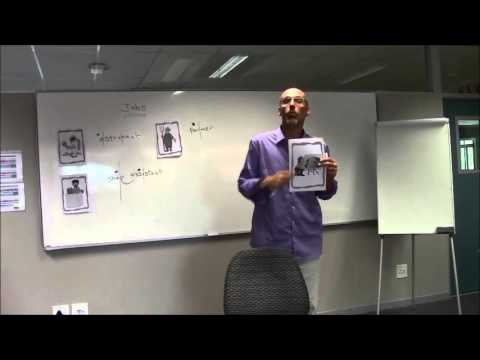
How to teach vocabulary (PPP) TESOL / CELTA
Introduction to Jobs
Teacher's Background and Job Discussion
- The speaker introduces themselves as a teacher and shares that they have had multiple jobs in the past, including roles like pizza chef, salesman, doctor, and nursery nurse.
- Students are encouraged to guess which jobs the speaker has actually held, fostering engagement through interaction.
Interactive Activity on Job Experience
- Students are instructed to write down jobs they have done or not done and discuss them with a partner. This promotes peer interaction and sharing of personal experiences.
- The teacher emphasizes the importance of collaboration by asking students to confirm each other's job experiences during their discussions.
Learning New Vocabulary Related to Jobs
Introducing Job Titles
- The teacher begins teaching new vocabulary related to various professions, starting with "astronaut" and explaining its meaning and context. Students repeat after the teacher for pronunciation practice.
- Other job titles introduced include "shop assistant," "farmer," "artist," "bus driver," "doctor," and "dentist." Each term is accompanied by explanations about their roles in society.
Pronunciation Practice
- Emphasis is placed on correct pronunciation of job titles, with students repeating phrases like “bus driver” and “doctor” multiple times for reinforcement. This aids in language acquisition through repetition.
Application of Vocabulary in Context
Sentence Completion Activity
- Students engage in an activity where they complete sentences describing different professions based on what they've learned (e.g., “A dentist is a person who fixes teeth”). This reinforces understanding through practical application.
- The teacher checks answers collectively with the class, ensuring comprehension of each profession discussed earlier in the lesson. This collaborative review helps solidify knowledge retention among students.
Further Discussion on Professions
Questioning About Family Professions
- The class participates in a discussion about whether anyone has family members working as astronauts or other professions mentioned earlier, encouraging personal connections to the material learned.
- Questions posed by students lead to discussions about career aspirations and challenges associated with various professions (e.g., difficulty becoming an actor). This encourages critical thinking regarding career choices.
Role Play: Job Fair Simulation
Imagining Career Choices
- A role-play activity simulates attending a job fair where students must discuss potential careers they might be interested in after exploring various options at the fair (e.g., astronaut vs dentist).
- Students take turns acting as recent graduates discussing their interests with parents, allowing them to practice conversational skills while reflecting on their preferences for future careers.
Reflection on Career Aspirations
- After role-playing, parents share feedback about their children's choices at the job fair; some express disappointment while others show pride or curiosity about unusual career interests expressed by their children (e.g., wanting to be a developer).