Language Communication Developmental Milestones CDC
Introduction to Developmental Milestones
Overview of the Webinar Series
- Dr. Cate Crowley introduces herself and the purpose of the webinar series on developmental milestones for children from birth to three years old. The focus is on understanding "the wide main range of normal" in child development.
- The webinars are based on CDC guidelines available in both English and Spanish, aiming to provide accessible knowledge for parents and educators.
Understanding Developmental Ranges
- The New York State Department of Health outlines a structured approach to developmental milestones, categorizing them into specific age ranges: 0-3 months, 3-6 months, 6-9 months, 9-12 months, followed by broader ranges up to 36 months.
- Emphasis is placed on the variability in development; milestones can occur at different times for each child rather than adhering strictly to a timeline. For instance, walking can happen anywhere from 8 to 15 months without being considered delayed until after 18 months.
Language and Communication Development
Early Language Skills (0 - 12 Months)
- At around two years old, babies begin making cooing sounds and babbling; they also start responding to their names and expressing needs through varied cries by six months.
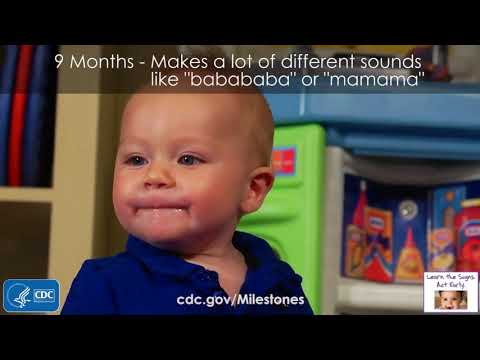
- By nine months, canonical babbling becomes prominent with rich combinations of sounds; infants imitate gestures and respond to simple requests like "give me the book." They also begin using simple gestures such as waving goodbye or shaking their heads no.
Vocabulary Expansion (12 - 24 Months)
- At one year old, toddlers typically say their first words—often imitating sounds heard from adults—and may have a vocabulary that includes several single words by eighteen months. They start using "no" themselves while pointing out objects or pictures when named.
- Cultural context plays a role in language acquisition; toddlers learn body parts' names within familiar environments where this focus is encouraged (e.g., family interactions). By two years old, they can form sentences with two to four words and follow simple instructions like “Go get it!”
Advanced Communication Skills (24 - 36 Months)
Understanding Cultural Influences on Child Development
The Importance of Cultural Context in Communication
- Discusses how cultural differences affect children's understanding of age and identity. In Ghana, children may not know their age but can identify the day of the week they were born.
- Highlights that names and gender identification are culturally specific; asking a child about their friends can reveal social dynamics unique to their environment.
Language Development Milestones
- Emphasizes the importance of children starting to use nouns and pronouns, indicating early language development. Children begin to articulate friendships by naming peers.