Significados de las Experiencias de Soledad y Sentido de Comunidad en Adultos Mayores (3)
Research on Loneliness and Community in Older Adults
Introduction to the Research
- The researcher, Dora Luz Sánchez Ángeles, is conducting a study on loneliness experiences among older adults and their sense of community as part of her psychology program.
- She emphasizes the importance of informed consent due to video recording during interviews and outlines privacy measures regarding data handling.
Informed Consent Process
- Participants are informed about their rights, including voluntary participation without pressure or intimidation, before signing the consent form.
- The research aims to expand knowledge on loneliness in older adults from rural areas, supervised by Professor Jerzaín González Granados.
Privacy and Legal Framework
- Interviews will last approximately 50 to 60 minutes and will be recorded solely for academic purposes; confidentiality is strictly maintained.
- Data protection laws in Mexico (NOM 004 SSA3, Law 19.600, Law 21.719, Law 20584) ensure participant information remains confidential even after the study concludes.
Participant Rights
- Participants have the right to access, rectify or delete their data at any time and can withdraw from the study without consequences.
- The researcher reassures participants that their identities will remain protected throughout the process.
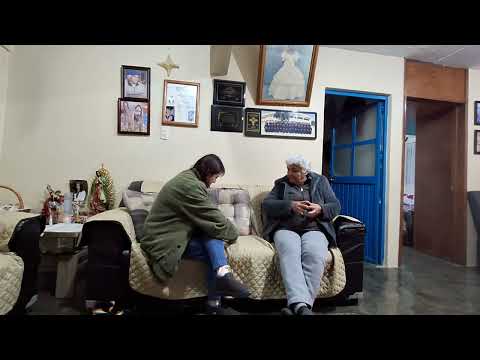
Interview with Alicia Guadalupe Paulín Fernández
Personal Background
- Alicia introduces herself as a 58-year-old widow living with family members; she describes her close-knit family structure.
Experiences of Loneliness
- When asked about feelings related to solitude, Alicia states she rarely feels lonely due to constant companionship from her daughters and grandchildren.
Family Dynamics
- Alicia reflects on how her family actively ensures she does not feel alone; they often check on her when they go out.
Coping with Solitude
- She shares that while she has experienced moments of solitude when family members are away, these do not lead to significant feelings of sadness or isolation.
Reflections on Loss
Grieving Process
- Alicia discusses a past loss that still affects her emotionally; despite this grief being challenging, she acknowledges support from family helps mitigate feelings of loneliness.
Emotional Resilience
- She expresses hope for healing over time but admits certain memories continue to evoke strong emotions linked to loss.
Perspectives on Community Engagement
Connection with Neighbors
- Alicia describes maintaining cordial relationships with neighbors through casual greetings and occasional visits but notes limited interaction beyond basic communication.
Sense of Belonging
- Despite physical distance from some siblings and relatives, she feels connected through shared history and familial bonds cultivated over years.
Impact of Family Relationships
Role of Children
- Alicia highlights how supportive relationships with her daughters contribute positively to her emotional well-being; they prioritize keeping her engaged socially.
Reflections on Past Relationships
Relationship History
- Reflecting on a long-term partnership lasting nearly four decades, Alicia shares mixed feelings about love versus responsibility within that relationship.
Absence After Loss
- While acknowledging some emotional void post-partner's passing six years ago ,she conveys acceptance rather than bitterness towards past grievances.
Current Social Interactions
Daily Communication Patterns
- Although limited social interactions occur daily ,Alicia maintains contact primarily through visits from close relatives who check up regularly .
Community Participation and Personal Involvement
Sense of Community
- The speaker reflects on their sense of community participation, noting a disconnect due to age and changes in personal involvement.
- They mention that while they help prepare for local events like posadas, they no longer take the lead or contribute significantly as before.
Activities for Adults
- The speaker recalls past community activities aimed at older adults, specifically mentioning a group organized by Maestra Chávez that provided support but is no longer active.
- They describe attending exercise sessions designed for seniors, which ceased after the organizers left.
Support Networks and Knowledge Sharing
Lack of External Support
- The speaker indicates they primarily rely on family for support, lacking friendships outside their immediate family circle.
Willingness to Share Knowledge
- When asked about sharing knowledge with others in the community, the speaker expresses willingness to provide guidance if approached but emphasizes their limitations in taking initiative.
Lifelong Learning and Teaching
Self-Taught Skills
- The speaker discusses how they learned cooking skills independently without formal instruction but are open to teaching others when asked.
Memory Challenges
- They acknowledge that memory can fade over time, impacting their ability to recall specific details but express a desire to assist where possible.
Influence of Family Dynamics on Well-being
Family Support Impact
- The speaker highlights how positive reinforcement from family members helps them manage medication schedules and maintain health.
Importance of Communication
- They note that regular reminders from family members play a crucial role in ensuring adherence to medication routines.
Current Life Satisfaction
Enjoyment of Daily Life
- The speaker expresses contentment with their current lifestyle, emphasizing strong communication and shared meals with family members as sources of joy.
Understanding Loneliness Among Seniors
Exploration of Loneliness
- The interviewer explains their interest in understanding how loneliness affects older adults, particularly regarding health management and emotional well-being.
Community Connection Theory
- A theory from community psychology is introduced, suggesting that familial connections often fulfill emotional needs and mitigate feelings of isolation among seniors.
Changes Over Time
Evolving Social Circles
- Discussion centers around how aging leads to shrinking social circles due to loss or relocation of friends and family members.
Coping Mechanisms
- The importance of recognizing feelings associated with loss is emphasized; many may overlook these emotions amidst daily life pressures.
Generational Perspectives
Changing Youth Experiences
- The speaker reflects on generational differences in youth experiences compared to earlier times, acknowledging evolving societal norms and challenges faced by younger generations.
Conclusion and Gratitude
Appreciation for Sharing Experiences
- Both parties express gratitude for the conversation; the interviewee acknowledges the value of sharing life experiences as beneficial not only personally but also for broader understanding.
Turn any video into a summary like this
YouTube links, meetings, lectures. With transcripts, search, and chat.