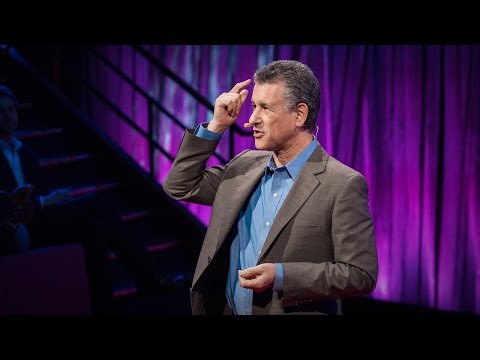
How to stay calm when you know you'll be stressed | Daniel Levitin | TED
Breaking into My Own House: A Lesson in Stress and Decision-Making
The Incident
- The speaker recounts a personal experience of breaking into their own house during a frigid Montreal winter night, emphasizing the extreme cold at minus 40 degrees.
- Upon arriving home, the speaker realizes they forgot their keys, which are visible inside the house. Attempts to enter through other doors and windows prove futile.
- Faced with desperation and freezing temperatures, the speaker breaks a basement window to gain entry, planning to fix it later.
Understanding Stress Responses
- As a neuroscientist, the speaker explains how stress affects brain function by releasing cortisol, which raises heart rate and clouds thinking.
- The next morning brings additional stressors: lack of sleep, worrying about the broken window, upcoming meetings in Europe, and forgetting their passport.
Consequences of Cloudy Thinking
- At the airport check-in counter, the realization hits that they do not have their passport. This leads to a frantic race back home in poor weather conditions.
- Despite making it back just in time for their flight, they end up with an undesirable seat due to being late.
Reflection on Preventative Measures
- During an eight-hour flight with no sleep, the speaker contemplates systems that could prevent such mishaps or minimize damage when things go wrong.
- A conversation with colleague Danny Kahneman introduces the concept of "prospective hindsight" or "pre-mortem," where one anticipates potential problems before they occur.
Implementing Pre-Mortems
- The pre-mortem approach involves identifying possible future failures and strategizing ways to avoid them or lessen their impact.
- Practical advice includes designating specific places for commonly lost items at home based on spatial memory science related to hippocampal function.
Strategies for Everyday Life
- Suggestions include creating designated spots for keys and important documents like passports to reduce loss occurrences.
- For travel safety, taking photos of essential documents (credit cards, licenses), storing them in cloud services can facilitate replacements if lost or stolen.
Recognizing Stress Effects
- Emphasizes that under stress conditions—like medical decision-making—cognitive performance declines; thus implementing systems is crucial for better outcomes.
Understanding Medical Decision-Making
The Importance of Rational Assessment in Medical Decisions
- Discusses the significance of making informed medical decisions for oneself or loved ones, emphasizing the need for rational assessment of facts.
- Introduces a scenario where a doctor informs a patient about high cholesterol and suggests medication, highlighting common reactions to such news.
Understanding "Number Needed to Treat" (NNT)
- Explains the concept of "number needed to treat" (NNT), which indicates how many people must take a drug before one person benefits from it.
- Reveals that for statins, 300 individuals need to take the medication for one person to experience a positive outcome, challenging assumptions about medication efficacy.
Evaluating Risks vs. Benefits
- Highlights that while patients may be eager to accept treatment, they should inquire about potential side effects associated with medications.
- Notes that statin side effects occur in 5% of patients, leading to significant risks when considering treatment options.
Informed Consent and Ethical Considerations
- Stresses the importance of having thorough discussions with healthcare providers regarding risks and benefits as part of informed consent.
- Provides an example from prostate cancer surgery where 49 surgeries are performed for every one successful outcome, illustrating similar NNT concepts in surgical contexts.
Preparing for Difficult Conversations
- Encourages proactive thinking about medical decisions and quality of life considerations ahead of time rather than under stress during consultations.
- Suggests practicing these conversations with family members to ensure clarity and preparedness when faced with critical health decisions.
Cognitive Challenges Under Stress
- Discusses how stress affects rational thinking due to cortisol release, impacting decision-making abilities during crucial moments.
- References research by Danny Kahneman on cognitive biases under stress, reinforcing the need for preemptive planning in medical decision-making.
Strategies for Minimizing Decision-Making Errors
- Emphasizes recognizing human flaws in decision-making processes and preparing systems that can help mitigate potential negative outcomes.
- Shares a personal anecdote about installing a combination lock as a strategy to prevent future mistakes related to security and organization.
Turn any video into a summary like this
YouTube links, meetings, lectures. With transcripts, search, and chat.