Ciclo de las rocas _ Geología
Rock Classification and the Rock Cycle
Overview of Rock Types
- Rocks are traditionally divided into three main groups: igneous, metamorphic, and sedimentary. Each group shares similar characteristics due to common formation processes and geological environments.
- The classification of rocks is linked to the primary processes involved in their formation, which can be external or internal. These processes interrelate, forming what is known as the rock cycle.
Definition and Characteristics of Rocks
- A rock is defined as a natural solid material composed of aggregates of minerals and petrified matter. Its appearance reveals its formation history through the characteristics of its mineral aggregates.
- To classify a rock, visible characteristics such as shape, size, and arrangement of minerals are used. This description is referred to as the texture of the rock.
Igneous Rocks
- Igneous rocks form from the cooling and crystallization of magma. Plutonic igneous rocks feature easily recognizable minerals arranged randomly.
- Granite is a notable example within this group, valued for industrial and decorative applications; it can also break down into quartz sands useful for construction.
Metamorphic Rocks
- Metamorphic rocks commonly exhibit a tendency to split along planes with textures known as schistosity or banding due to significant differential stress and temperature changes.
- They result from dramatic changes in temperature or chemical activity involving fluids.
Sedimentary Rocks
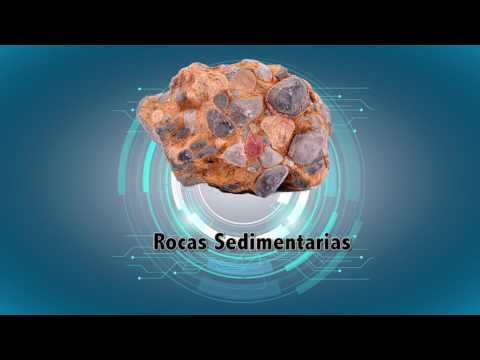
- Sedimentary rocks are categorized into clastic (containing fragments or detritus from other minerals/rocks) and non-clastic (formed from chemical precipitates).
- Clastic sediments vary in size from fine particles to coarse fragments that settle when transport agents lose energy, typically forming horizontal strata.
Summary of Rock Textures
- Each type exhibits distinct textural differences: igneous rocks are hard with homogeneous composition; metamorphic rocks transform under pressure/temperature changes leading to foliation; sedimentary rocks form horizontal layers influenced by compaction processes.
The Rock Cycle Explained
Processes Leading to Sediment Formation
- External processes like weathering initiate sediment formation from pre-existing rock fragments or hard parts of organisms. These sediments are transported by erosive agents such as water, wind, waves, and ice.
Transformation into Sedimentary Rocks
- Accumulated sediments undergo diagenesis—transformative processes including physical compaction and chemical reactions—that convert them into sedimentary rocks.
Pathways After Formation
- Once formed, sedimentary rocks may either be weathered back into fragments or buried under high pressures/temperatures leading to metamorphism.
Metamorphic Rock Pathways
- Metamorphic rocks have two potential paths: they can be eroded back to surface conditions where they undergo further weathering or continue deeper until melting occurs, becoming magma.
Formation of Igneous and Metamorphic Rocks
The Process of Rock Formation
- Magma rises, cools, and solidifies to form igneous rocks. This solidification can occur at various depths within the crust or even at the surface.
- An igneous rock may be weathered on the surface, leading to sediment formation, or it can be buried again, increasing pressure and temperature conditions.
Turn any video into a summary like this
YouTube links, meetings, lectures. With transcripts, search, and chat.