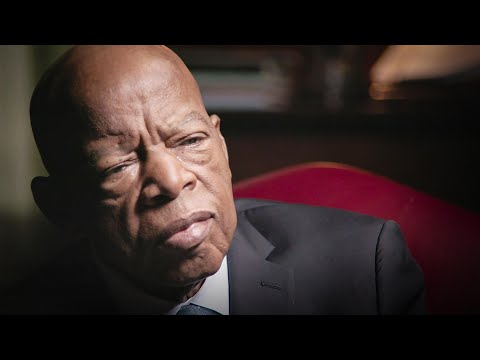
John Lewis and Bryan Stevenson: The fight for civil rights and freedom | TED
Social Revolution and the Call to Action
John Lewis on Freedom and Unity
- John Lewis emphasizes the urgency of a social revolution, stating, "We want our freedom, and we want it now."
- He advocates for action against injustice, asserting that everyone must speak out when they see something unfair.
- Lewis highlights the importance of unity among all people, regardless of race: "It doesn't matter whether you're Black or white, we're one people and one family."
- He believes in the power of individual visionaries to instigate change: "One person with a dream... can change things."
Bryan Stevenson’s Admiration
- Bryan Stevenson expresses his honor in conversing with John Lewis, acknowledging his significant impact on many lives.
- Stevenson prompts Lewis to reflect on his upbringing in rural Alabama's Black Belt and how it shaped his spirit.
The Influence of Family and Education
Childhood Experiences
- Lewis recounts picking cotton as a child; his mother taught him about hard work while hoping for better futures.
- His mother was strategic about their work schedule to maximize earnings from cotton picking due to morning dew.
Pursuit of Education
- Inspired by a newspaper article about a school for Black students in Nashville, Lewis's mother encouraged him to apply despite potential sacrifices at home.
- After being ignored by Troy State University, he reached out to Dr. Martin Luther King Jr. for help, receiving encouragement and support.
Inspiration from Dr. King
The Call to Action
- Lewis recalls Dr. King's sermon that inspired him: a message about standing up for rights leading to global change.
- He describes this call as igniting a fire within him that compelled him toward activism.
Embracing Nonviolence
- Influenced by Dr. King’s teachings, Lewis adopted nonviolence as central to his activism philosophy.
- He learned respect for every human being's dignity and committed himself not to engage in violence despite facing brutality.
Strategic Activism
Planning Actions
- Reflecting on past experiences with violence during protests, Lewis acknowledges the need for strategic planning before taking action.
Organizing for Change
The Role of Community in Activism
- Activists worked diligently to organize and bring attention to social injustices, involving various community leaders such as religious figures, teachers, and lawyers.
Training for Nonviolence
- Rigorous training was essential for activists to prepare for stressful situations while adhering to nonviolent principles. This included role-playing scenarios that tested their commitment.
- Participants learned discipline through simulated confrontations, preparing them mentally and emotionally for the challenges they would face during protests like the Freedom Rides.
Personal Experiences of Activism
- One activist shared a powerful testimony about their commitment not just to Black individuals but to all people, emphasizing the moral obligation to address societal wrongs.
- The speaker highlighted the importance of redemption within faith traditions and criticized society's reluctance to acknowledge historical injustices like slavery and segregation.
Acknowledging Historical Injustices
- There is a pressing need for society to confront its past mistakes openly rather than glossing over them. Symbols of resistance still persist today, indicating unresolved issues.
Stories of Redemption
- An extraordinary moment occurred when a former Klan member sought forgiveness from an activist he had once harmed. This encounter illustrated the transformative power of love and forgiveness.
Lessons from Leaders
Influences from Civil Rights Icons
- The speaker reflected on how figures like Rosa Parks and Martin Luther King Jr. profoundly impacted his life, providing guidance that shaped his activism journey.
- A memorable interaction with Dr. King showcased the personal connection between them; it emphasized how mentorship can inspire future generations in their fight for justice.
Reflections on Loss
- The assassination of Dr. King left a significant void in the movement, suggesting that his continued presence could have led to greater progress in civil rights efforts.
The Importance of Voting Rights
Legislative Milestones
- Key legislative achievements like the Civil Rights Act (1964) and Voting Rights Act (1965) were focused on ending rights violations but did not adequately address reparative measures needed for historical injustices.
Advocating for Automatic Voter Registration
- There is a call for states to implement automatic voter registration as part of reparative justice efforts aimed at empowering Black citizens politically.
The Power of Voting
Inspiration and Legacy in Activism
Reflections on the March and Meeting President Kennedy
- The speaker reflects on their determination to inspire a new generation during a significant march, feeling a sense of unity among participants.
- After the march, President Kennedy warmly congratulated each participant, particularly acknowledging Dr. King's impactful vision with the phrase, "You had a dream."
Motivation for Political Engagement
- The speaker discusses their motivation to enter politics in the 1970s and 1980s, driven by the belief that politics could be a force for good.
- They emphasize the importance of hope and resilience, stating that one must keep moving forward despite setbacks.
Teaching Nonviolence and Civic Engagement
- The speaker advocates for re-embracing tactics from past movements to address current issues, stressing the need for active engagement rather than silence.
- They highlight the necessity of teaching young people about nonviolent direct action as an essential tool in today's activism.
Legacy and Impact on Future Generations
- The speaker expresses admiration for emerging politicians who embody activism and conscience at various levels of government.
- They stress urgency in addressing societal issues, indicating that change cannot wait as people do not have "100 years to make up."
Personal Reflections on Justice and Sacrifice
- When asked about their legacy, the speaker hopes to be remembered as someone who strived to create a better society through liberation efforts.
Love, Redemption, and Justice
The Essence of American Values
- The speaker acknowledges the presence of societal challenges ("the cuts") but emphasizes a persistent message of love, redemption, and justice.
- There is a strong sentiment that these themes inspire individuals, particularly the speaker themselves.
- The speaker expresses deep respect for an unnamed individual who embodies the core values and hopes of the nation.
- This acknowledgment highlights the importance of representation in embodying national ideals.
Turn any video into a summary like this
YouTube links, meetings, lectures. With transcripts, search, and chat.