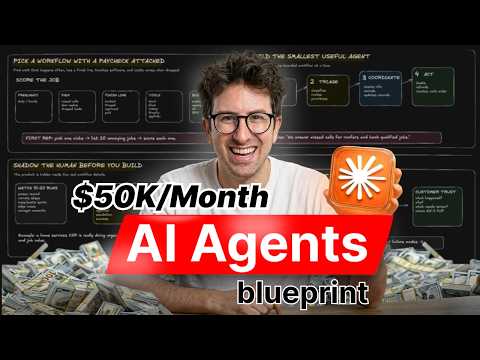
AI Agents are the new SaaS
Building Agents: The New SAS Opportunity
Introduction to the Concept
- Building agents is likened to the Software as a Service (SAS) boom, with significant potential for value creation in this new wave.
- The episode aims to explain how to leverage this opportunity by building startups focused on agents.
Understanding Agent SAS
- The key takeaway is that while traditional SAS sells software, agent SAS sells work, transforming how businesses operate.
- An example of an agent in action is Slang AI, which serves as an AI superhost for restaurants, managing reservations and guest inquiries efficiently.
Identifying Opportunities
Finding the Right Workflow
- Focus on workflows where there’s already a paycheck attached; if people are paying for a service, there's room for improvement through automation.
- A good agent workflow should have five traits: frequency of occurrence, clear finish line, integration with existing software tools, manageable edge cases, and noticeable pain points for buyers.
Job Identification Process
- Start by identifying 20 jobs within a niche that people complain about and score them based on frequency and impact. This helps pinpoint viable opportunities for automation.
Shadowing Before Building
Importance of Observation
- Founders should shadow individuals performing the identified job before developing their solution to gain insights into real workflows and challenges faced.
- Observing tasks can reveal deeper complexities that inform better design decisions when creating an agent product.
Designing Your Agent Product
Key Components of Agent Specification
- When designing your agent, consider what triggers it, what context it needs, what tools it can use, its decision-making capabilities, and success metrics. These elements ensure high-quality output from the agent.
Starting Small with Minimum Useful Agents (MUA)
- Begin with a minimal useful version of your agent rather than aiming for full autonomy right away; options include draft-and-approve or triage agents that require human oversight initially.
Evaluating Performance
Establishing Evaluation Metrics
- Create an evaluation set using real examples from the job to test how well your agent performs against established benchmarks before going live with customers. This builds trust in your solution's effectiveness.
Selling Your Solution
Pilot Programs and Productization
- Launch pilot programs where you manually perform tasks alongside AI assistance before fully automating processes; this allows you to refine offerings based on customer feedback and outcomes observed during pilots.
Pricing Strategies
- Consider simple pricing models initially (e.g., setup fees plus monthly charges) before transitioning to outcome-based pricing as you understand customer value better over time.
Distribution Strategies
Effective Marketing Techniques
- Use "workflow tear-down" content strategies showing old vs new methods to highlight efficiency gains from using your agents; this resonates strongly with potential customers who feel operational pain points directly related to these workflows.
Action Plan: From Zero to Business in 30 Days
Step-by-Step Guide
- Day 1: Choose a niche where missed work costs money.
- Day 2: Interview operators about their workflows.
- Day 3: Select one workflow based on frequency and pain.
- Day 4: Write specifications detailing triggers and contexts.
- Day 5: Run manual tests using AI assistance before building software solutions.
6 - Week Two: Sell two pilot programs within the same niche.
7 - Week Three: Add product wrappers like logs and analytics.
8 - Week Four: Publish content showcasing successful pilots while refining audience engagement strategies throughout the process.
This structured approach ensures clarity in execution while maximizing learning opportunities along the way toward establishing an effective agent business model.
By following these steps outlined above regarding building agents as a new form of SAS business model—focusing on practical applications—entrepreneurs can tap into vast market potentials effectively while addressing real-world problems faced by various industries today!