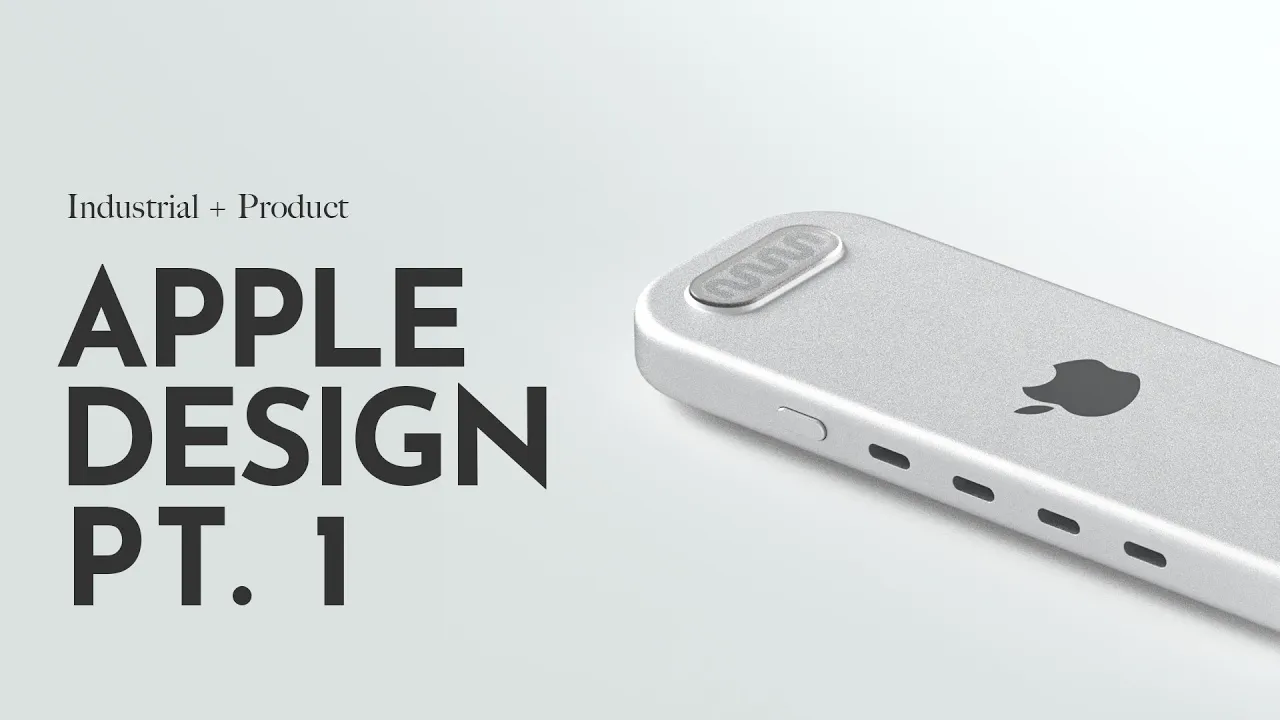
How to Design Like Apple: A Simple Guide to Apple's Design Language
Apple's Product Design Style
In this section, the speaker delves into Apple's product design style, exploring its evolution over the years and key elements that define an Apple product.
Evolution of Apple's Design Philosophy
- In the early days, Apple focused on "do more and cost less," creating utilitarian products with high value at low cost.
- During the 90s and early 2000s, Apple shifted towards user experience and fun-looking products using transparent plastics and bright colors.
- Currently, Apple emphasizes a premium segment with a technical, quality-focused, and aesthetics-driven design approach.
Elements of Apple's Design Style
- Monolith Form: Apple products embody a solid monolithic appearance that conveys sturdiness and quality.
- Rounded Rectangle: The rounded rectangle is a signature design element in most Apple products, symbolizing quality, technicality, and ease of use.
Designing an Apple-like Product
This part focuses on designing a product following Apple's design principles by incorporating specific forms and details characteristic of their style.
Key Design Forms
- Simple Box: Initiating the design process with a basic box shape to capture the essence of simplicity and elegance.
- Continuous Surfaces: Creating seamless transitions between surfaces to achieve a sleek look while maintaining minimalism.
Attention to Detail
Design Elements of Apple Products
The designer discusses the design elements that make Apple products visually appealing and functional.
Antennas Integration
- Integrating antennas into the MacBook's design to create a cohesive visual element.
Sharp Cuts for Performance
- Utilizing sharp cuts in product design to enhance performance feel and serve as visual markers.
Aluminum Finishes
- Emphasizing aluminum finishes for a premium, durable, and high-quality look and feel.
Apple's Color Strategies
Exploring Apple's color strategies in product design.
Monochrome Design
- Maintaining monochrome designs with single-color schemes for a sleek and unified appearance.
Experimentation with Colors
- Discussing Apple's shift towards experimenting with colors post-iPhone release for trendiness.
Sustainability in Apple Product Design
Addressing sustainability concerns in Apple's product design process.
Repairability Concerns
- Highlighting challenges with repairability of Apple products and low repair scores on iFixit.
Apple Product Design Sustainability
In this section, the focus is on Apple's sustainability efforts, particularly in using recycled and reduced materials in their products.
Apple's Sustainability Efforts
- Apple excels in using recycled and reduced materials for sustainability.
- Concerns raised about non-standard components like chargers leading to electronic waste.