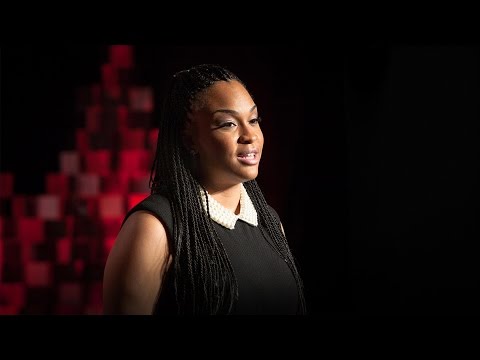
How America's public schools keep kids in poverty | Kandice Sumner
The Journey of Education and Inequality
Introduction to Personal Experience
- The speaker introduces their 696 "kids," emphasizing their brilliance and potential, highlighting a personal connection to education.
- They express that all students they teach are like their own children, noting the disparity in opportunities based on socioeconomic status and race.
Background and Early Education
- The speaker shares their background as the daughter of African-American public servants, indicating that wealth was not a priority in their upbringing.
- They describe participating in a voluntary desegregation program that provided them access to better educational resources by busing inner-city kids to suburban schools.
Realizations About Inequality
- As a child, the speaker believed everyone had similar experiences until they noticed differences in educational opportunities among peers.
- They reflect on feelings of guilt for receiving advantages (like music classes and advanced learning materials) while friends lacked basic resources.
Survivor's Remorse
- The speaker expresses concern for other children who do not have access to quality education, feeling a sense of survivor's remorse for being one of the few who escaped poor educational conditions.
- They question why high-quality education is often reserved for wealthy individuals, likening themselves to an "educational Moses" advocating for equal access.
Educational Disparities and Historical Context
- The speaker discusses the frustration of teaching without adequate resources compared to what they experienced as a student.
- They challenge the term "achievement gap," proposing it should be reframed as an "education debt" due to historical neglect of black and brown children's education.
Historical Foundations of Educational Inequity
- The speaker highlights that American institutions were built on the labor from slavery, which excluded African-Americans from educational opportunities.
- They argue that historical policies have failed to rectify these foundational inequalities within the public school system.
Legal Milestones and Ongoing Segregation
- A brief overview is given about how separate but equal schooling was established post-slavery but never truly achieved equality.
The Impact of Philanthropy on Education
The Reality of Educational Disparities
- The speaker emphasizes that children are aware of the systemic neglect in education, particularly for black lives, stating that they understand when their needs are overlooked.
- A personal anecdote reveals how a wish list on DonorsChoose led to over 200 new books being delivered to the classroom, transforming students' attitudes towards reading.
- One student expresses surprise and appreciation upon realizing that strangers care enough to donate books, highlighting the emotional impact of such generosity.
Changes in Student Engagement
- Following the donations, there was a noticeable increase in students checking out books and sharing positive feedback about their reading experiences.
- The speaker argues that lack of resources—not disinterest—was the reason behind previous reluctance to read among students.
Systemic Issues in Education
- The speaker critiques the public school system for failing black and brown children, questioning why society is surprised by educational disparities when neglect has been ongoing.
- It is stated that educational quality directly affects future opportunities like college access and job prospects; thus, systemic change is necessary.
Call for Equitable Funding
- The speaker advocates for equitable school funding not tied to property taxes, arguing this perpetuates inequality where affluent schools thrive while impoverished ones suffer.
- A provocative statement suggests renaming public education as "poverty insurance," critiquing its failure to serve all children equally since 1954.
Community Involvement and Philanthropy
- Emphasizing historical reliance on philanthropy for educating marginalized communities, the speaker urges affluent schools to support underfunded ones through engagement and resource sharing.
- Encouragement is given for individuals to donate time or resources; platforms like DonorsChoose are highlighted as effective means to address educational disparities.
Conclusion: Tools for Change
Turn any video into a summary like this
YouTube links, meetings, lectures. With transcripts, search, and chat.