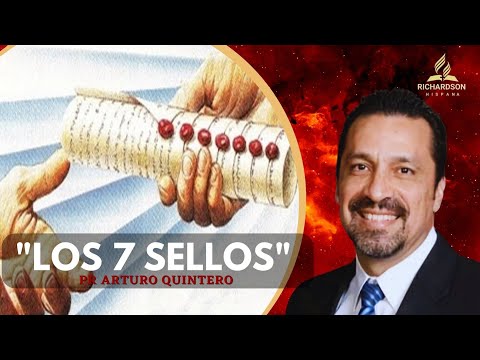
"LOS 7 SELLOS" | PR ARTURO QUINTERO
Discussion on the Seven Seals in Revelation
Overview of Revelation Structure
- The Book of Revelation is divided into two main parts: chapters 1-11 correspond to the Holy Place, while chapters 12-22 relate to the Most Holy Place.
- Each part contains 11 chapters, with three series of seven elements: seven churches, seven seals, and seven trumpets.
Symbolism of Sacred Furniture
- In the Holy Place, there are three pieces of furniture: the golden lampstands, the table of showbread, and the altar of incense.
- The first section (Revelation 1-11) introduces stories about the seven churches, seals, and trumpets as reflections of these sacred items.
Importance of Numbers in Interpretation
- The number four symbolizes completeness or universality; it indicates that something has been fulfilled when it appears in scripture.
- The number three serves as a confirmation; for example, Peter's love for Jesus was affirmed three times.
Personal Journey in Prophetic Study
- Initial studies on prophecy were confusing due to traditional interpretations influenced by Millerite beliefs.
- A shift occurred when exploring Revelation from chapters 12 to 22 rather than starting from chapter one.
Resistance and New Interpretations
- Encountered resistance when presenting new interpretations on the seven trumpets that deviated from traditional views.
- Emphasized that prophetic interpretation should not be considered doctrine but open for discussion among believers.
Understanding Current Context in Prophecy
Clarification on Seals and Trumpets
- Currently believed we are living in the fifth trumpet period rather than being confined to traditional interpretations regarding seals.
Examination of Seals
- Initiated a study on seals after questions arose about their significance compared to trumpets; this led to deeper insights into their meanings.
Unique Perspectives on Traditional Views
- Proposed that current interpretations differ significantly from established teachings found within Seventh-day Adventist literature.
Insights into Revelation Chapter Six
Introduction to Seal Opening
- The Lamb (Jesus Christ), who opens each seal signifies His authority over prophetic events.
Role of Living Creatures
- Four living creatures call attention during each seal opening; they symbolize completeness and play a crucial role throughout these revelations.
Analysis of Four Horsemen
- Each horseman represents different phases or challenges faced by Christianity since Jesus' ascension until His second coming.
Historical Context through Horsemen
First Seal - White Horse
- Represents purity and early Christian church success during its apostolic phase characterized by unity and evangelism.
Transitioning Church Dynamics
- As persecution began around AD 100 with Saul’s actions against Christians leading towards a decline in church purity.
The Decline of the Church and Symbolism in Revelation
The Fall of the Churches
- The speaker discusses the decline of churches, particularly referencing Laodicea as a church that has become repulsive.
- He suggests that the first seal represents a pure church during the apostolic age, ending around 70 AD.
- This period is identified as approximately 75 AD, marking the end of the first horseman (the white horse).
Transition to Persecution
- The second living creature is described as a lion, representing strength and authority.
- The second seal introduces a red horse symbolizing bloodshed and conflict; it signifies persecution against Christians.
- This era marks significant suffering for Christianity due to Roman oppression from about 75 AD to 318 AD.
Human Corruption and Third Seal
- The third seal introduces a black horse, indicating corruption and moral decay within humanity.
- It symbolizes human sinfulness, reflecting on how humans are inherently corrupt according to biblical teachings.
- Constantine's establishment of a false Christian church is critiqued for leading believers away from true faith.
Economic Hardship and Spiritual Implications
Symbolism of Weights and Prices
- A black horse carries scales, indicating economic imbalance; wheat becomes exorbitantly priced.
- Illustrates extreme inflation where basic necessities become unaffordable for many people during this time.
Spiritual Consequences
- Despite economic hardship, there’s an assurance that wine and oil will not be harmed—symbolizing spiritual sustenance remains intact amidst trials.
Shift Towards Apostasy
Acceptance of False Teachings
- Christians began accepting Constantine's false church to avoid persecution; this led to widespread apostasy within Christianity.
Emergence of Human Sinfulness Era
- Identifies this period as one dominated by human sinfulness with increasing darkness in spirituality until around 538 AD when papal power rises.
Martyrdom and Divine Justice
Cry for Justice from Martyrs
- Under the altar are souls crying out for vengeance against their oppressors; they seek divine justice for their martyrdom.
Fulfillment of Prophecy
- Indicates that God can now enact judgment because conditions have been met; martyrs await fulfillment before divine retribution occurs.
Signs Preceding Christ's Return
Sixth Seal Events
- Describes catastrophic events like earthquakes signaling Christ’s imminent return; these signs indicate the end times approaching.
Final Judgment
- Highlights fear among those who rejected God's mercy during His return; emphasizes accountability at Christ's second coming.
Conclusion: Understanding Our Current Position
Current Seal Status
- Asserts we currently live under the fifth seal awaiting completion before entering into final judgments represented by subsequent seals.
This structured summary encapsulates key themes discussed in relation to biblical prophecy concerning churches' decline, persecution periods, economic hardships faced by believers, calls for justice from martyrs, signs preceding Christ’s return, and our current state within these prophetic timelines.
Turn any video into a summary like this
YouTube links, meetings, lectures. With transcripts, search, and chat.